
The Countdown Has Begun ⏳
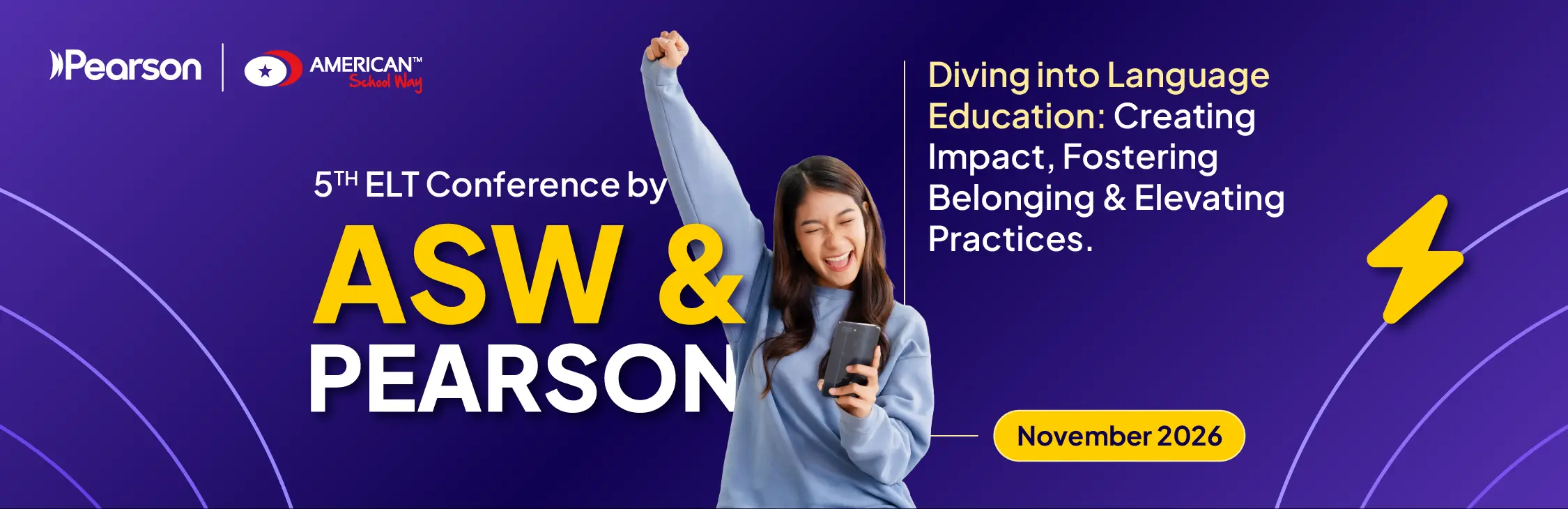
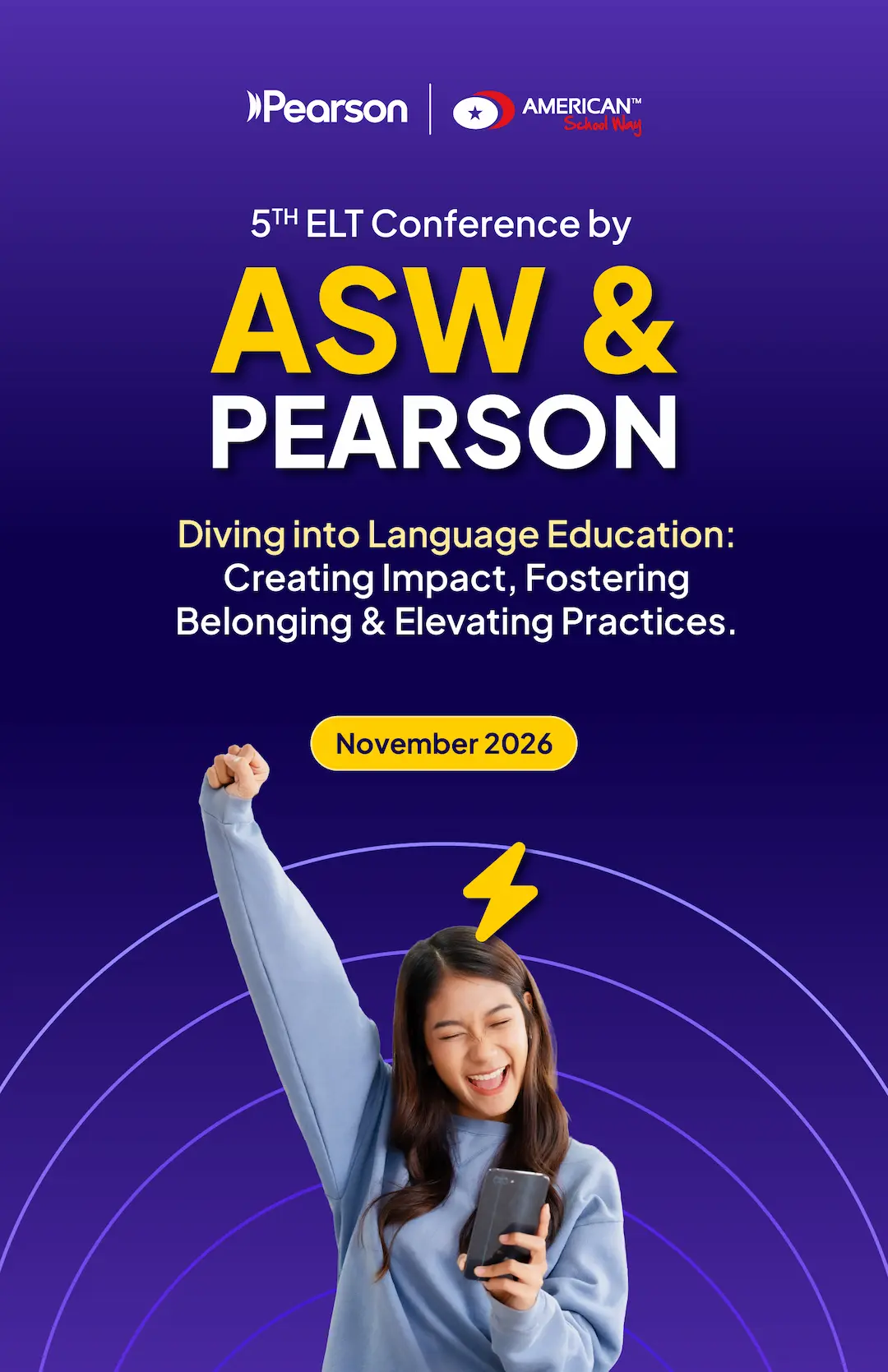
We’re just days away from ELT Conference 2026 — Diving into language education: Creating Impact, Fostering Belonging & Elevating Practices.
ELT Conference 2026 has officially begun — let’s shape the future of language education together! 🚀
Join your sessions and be part of this inspiring experience. 🌍
Are you ready to be part of the change? 🚀
Explore the ELT Conference Journal
Discover the complete story behind the ELT Conference!
Inside the ELT Journal, you’ll find exclusive insights, inspiring highlights, behind-the-scenes stories, and a look at the brilliant minds who made it all possible. Immerse yourself in the spirit of innovation, collaboration, and education that defined this year’s event.
November 2026
Main International Speaker

Ronald Allan Cruz, M.A.
International speaker and educational leader
Ronald Cruz’s expertise aligns exceptionally well with the conference theme “Diving into Language Education: Creating Impact, Fostering Belonging & Elevating Practices.” His professional experience centers on helping educators and institutions create learning environments where students feel seen, valued, engaged, and empowered to succeed. His work directly addresses many of the conference’s key strands, including Human Centered Education, Student Agency, Belonging and Engagement, Digital Pedagogical Education, Social Impact through English Education, Collaborative and Reflective Teaching, Social-Emotional Learning, Artificial Intelligence, and Teaching Autonomy. Drawing on extensive experience leading educational innovation initiatives in the United States, Ronald explores how educators can balance technological advancement with human connection, ensuring that learning remains meaningful, inclusive, and transformative.
ELT Conference Sessions: Discover Our Journey
Discover this year’s ELT Conference sessions, explore inspiring talks and expert speakers, and find new ideas to enrich your teaching practice. Don’t miss the opportunity to be part of this year’s experience—explore the program and register today!
Bogotá
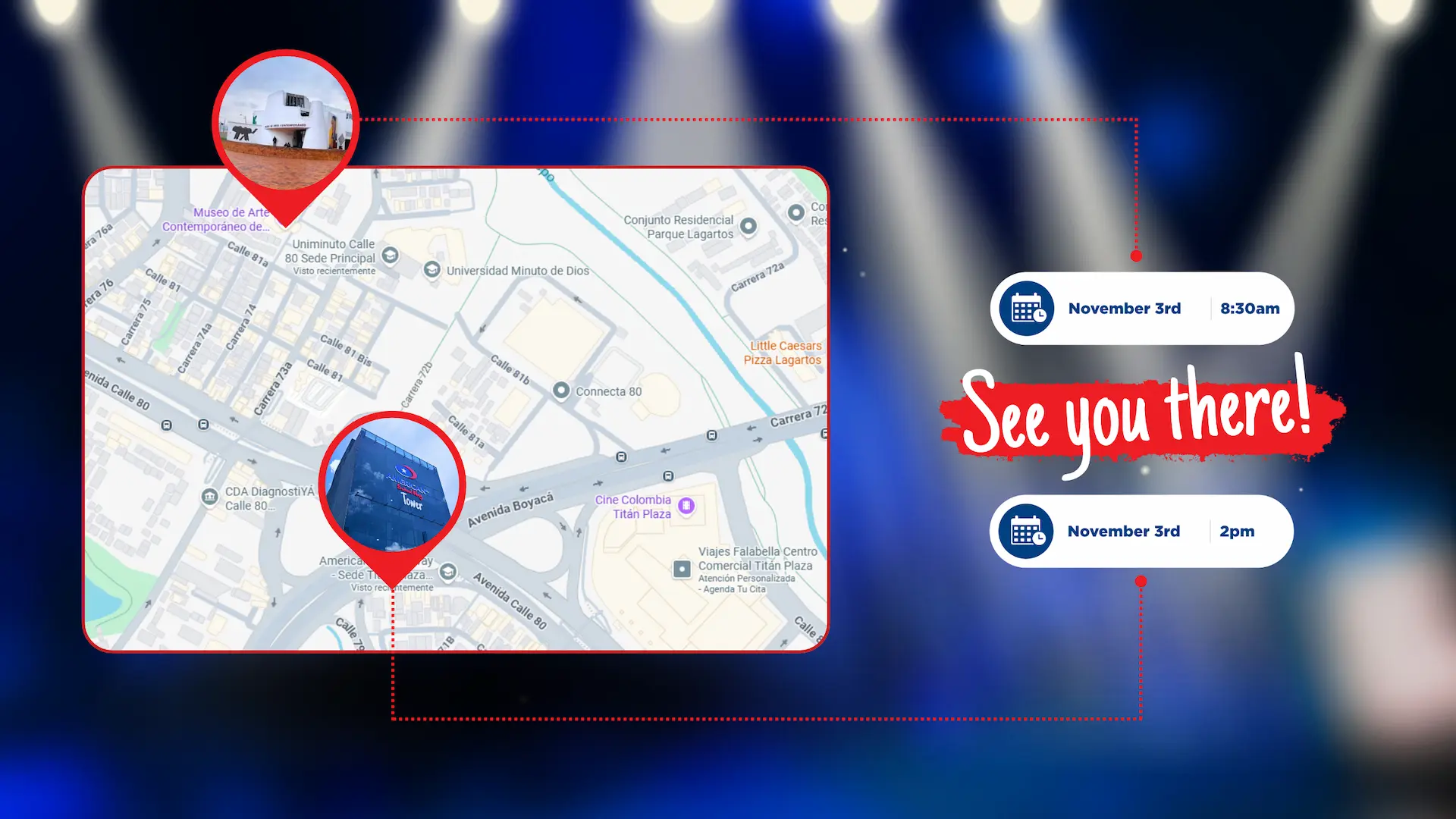
About the Venue
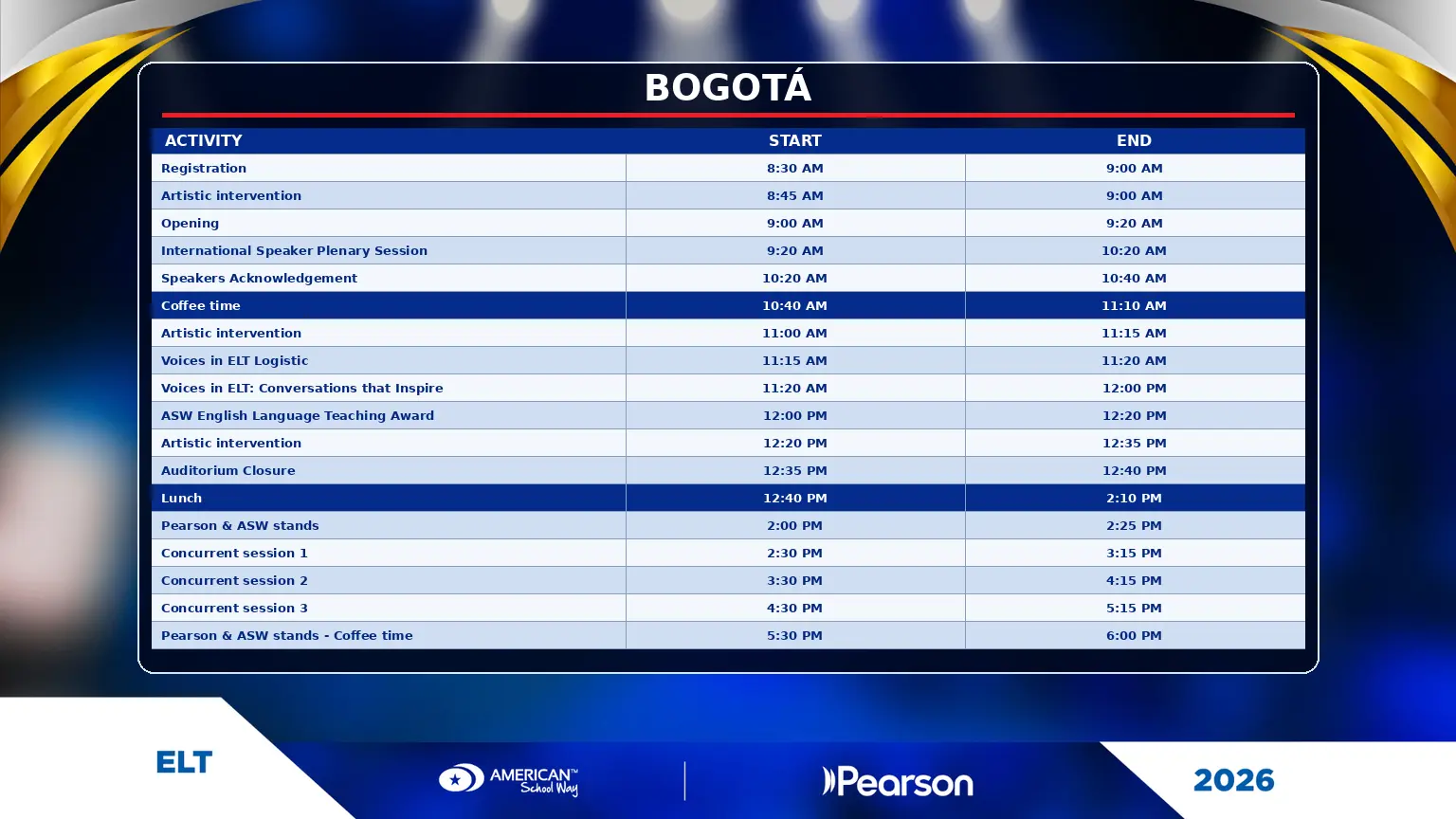
Schedule
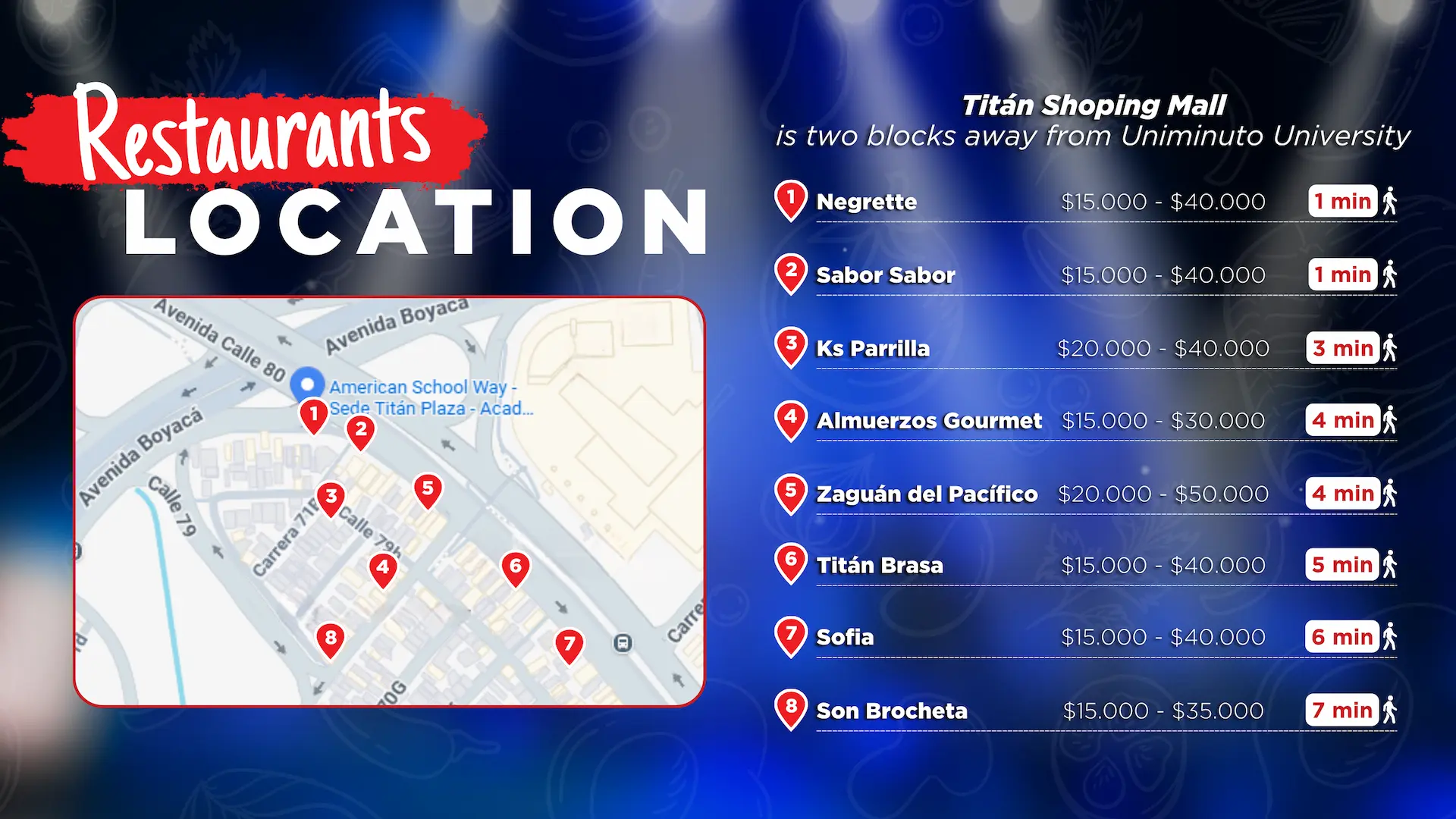
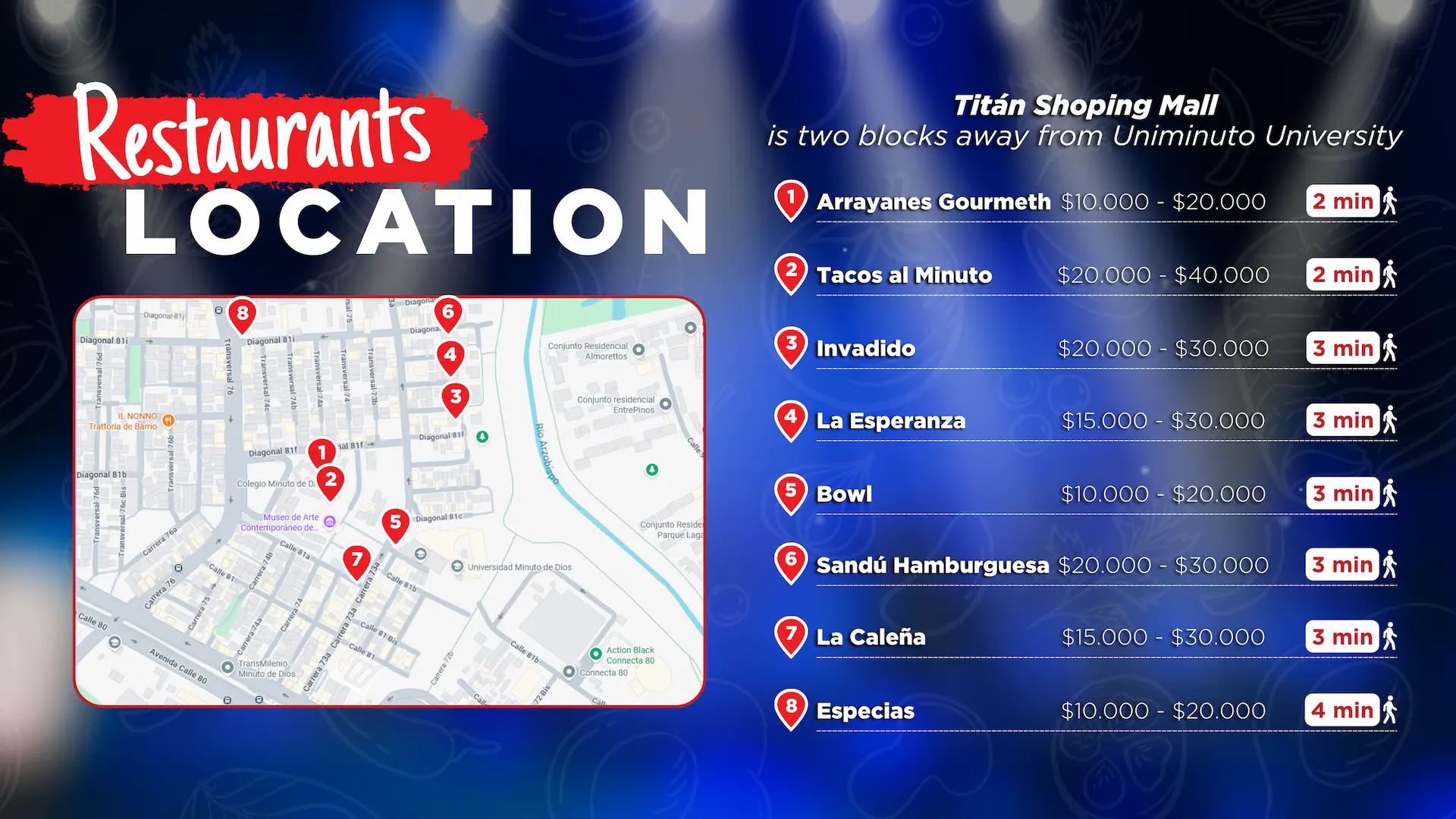
Plan Your Lunch
14:30 - 15:15
Game On! Transform Your Classroom with Gamification. (WS)
Ana María Verdugo Rodríguez, Davidson Stiven Munévar Rodríguez
 Ana María Verdugo Rodríguez
 Davidson Stiven Munévar Rodríguez
What if a few simple game elements could make your lessons more engaging? In this interactive session, participants will experience gamification from the learner’s perspective through short challenges, teamwork, points, rewards, and feedback. We will explore practical ways to bring these elements into the classroom without turning every lesson into a game. By the end, participants will have tried a few strategies and designed a simple gamified activity they can adapt to their own students.
Available seats: 0
Humanizing Grammar: Rethinking Grammar Learning Through Meaningful Communication (WS)
Andrés Camilo Silva Salinas
 Andrés Camilo Silva Salinas
Grammar teaching often requires explanation, controlled practice, and attention to accuracy. However, these elements can sometimes become the experience of learning grammar rather than a means toward meaningful language use. Drawing on the Master of Grammar Club, this workshop explores how teachers can redesign grammar activities to create opportunities for communication, participation, choice, and purposeful language use. Participants will analyse practices and transform them through an activity-design process while considering how grammatical accuracy can support, rather than replace, meaningful communication.
Available seats: 0
Motivation by Design: Small Teaching Decisions, Bigger Student Engagement (WS)
Eva Elizabeth Marcano Febres, Laura Andrea Munar Heredia
 Eva Elizabeth Marcano Febres
 Laura Andrea Munar Heredia
Motivation is more than games, rewards, or entertaining activities. It can be intentionally supported through the way we design learning experiences. This session explores research-informed principles of motivation and translates them into practical strategies adapted to the realities of English language teaching. Participants will explore a practical framework to identify opportunities for motivation throughout a lesson, apply it to authentic classroom scenarios, and reflect on how small instructional decisions can foster engagement, confidence, autonomy, and meaningful participation.
Available seats: 0
Fostering Connection: Implementing Social-Emotional Learning in ELT Classrooms (ES)
Rodolfo Joya Mantilla
 Rodolfo Joya Mantilla
Student participation drops when learners fear making mistakes or feel disconnected from their classmates. This session presents classroom-tested strategies for integrating Social-Emotional Learning (SEL) into daily ELT routines without compromising communication goals. Through real classroom examples and guided peer discussion, teachers will explore how SEL improves student collaboration and confidence. Participants will leave with practical frameworks to build an inclusive environment where quiet learners thrive.
Available seats: 0
Make Your Students Shine: Everyone Has a Voice! (WS)
Willy Ferney Cáceres Urrego
 Willy Ferney Cáceres Urrego
Have you ever asked a question to the whole group, only to see a tumbleweed rolling by? When delivering lessons, getting students to talk can be one of the challenges we face most often. In this workshop, you will explore how creating spaces where everyone has the opportunity to speak, share ideas, and contribute can transform students’ participation. Through purposeful pair and group work, assigning roles, and designing meaningful collaborative tasks.
Available seats: 0
From Diversity to Belonging: Rethinking Inclusion in the Classroom (ES)
Caroline Marie Bernadette Mervaille
 Caroline Marie Bernadette Mervaille
Diversity in the classroom extends far beyond culture, language, or visible differences. This presentation focuses on disabilities, learning differences, and accessibility, exploring how educators can move beyond simply recognizing differences to creating truly inclusive learning environments. Through a human-centered approach, we will examine the barriers that learners with disabilities may encounter and consider practical ways to foster accessibility, emotional safety, and belonging—creating classrooms where every learner feels seen, valued, supported, and empowered to learn in their own way.
Available seats: 0
The human behind the learner. (RT)
Daniel Felipe Matoma Sánchez, Néstor Ricardo Jiménez Ospina
 Daniel Felipe Matoma Sánchez
 Néstor Ricardo Jiménez Ospina
English education becomes transformative when it recognizes the human behind every learner. In diverse classrooms, teaching must move beyond standardized outcomes to embrace students’ identities, experiences, emotions, and ways of understanding. Human-centered practices strengthen critical thinking, invite meaningful brainstorming, and create learning environments grounded in belonging and respect. Exploring approaches to learning English allows educators to respond to individual needs from multiple perspectives, fostering confidence, participation, and agency; elevating teaching practices while preparing learners to communicate, question, and contribute critically.
Available seats: 0
Sticky Lessons when good memories left a meaningful footprint (ES)
Sebastián Arias León
 Sebastián Arias León
Achieving true impact in education is an evolving challenge, yet discovering that single, guiding spark is what inspires students to give their best. We naturally reconnect with lessons that bring joy and leave behind profound, meaningful insights. When mentors cultivate safe, supportive environments, they foster delightful outcomes that leave a permanent mark proving that enduring learning is always rooted in good memories.
Available seats: 0
The Art of Prompting: Effective A.I-Powered ELT Lessons (WS)
William Alejandro Benjamín Peña
 William Alejandro Benjamín Peña
Prompting has become a core competency for modern ELT professionals since educators depend heavily on it for communicating with A.I. This workshop offers attendees a perspective to design prompts that create meaningful, learner-centered, and effective lessons for regular classes, and extracurricular activities. By using the A.I model Copilot from Microsoft, and any other A.I. model available, participant will learn and use the framework RCTF that will reduce hours of lesson planing to just a few minutes.
Available seats: 0
My Emotions Have Better Grammar Than Me (WS)
Rossy Marcella Mosquera Murillo
 Rossy Marcella Mosquera Murillo
What if our emotions could write better than we can? This session explores creative writing as a tool for emotional expression and meaningful language learning. Through activities, teachers will see how writing helps learners express emotions, develop their voice, and communicate beyond grammar and vocabulary. AI can support creativity while keeping learners’ voices at the center. Participants will leave with ideas for fostering creativity, emotional expression, and authentic communication in their EFL classrooms.
Available seats: 0
Mix, slip and speed up: tongue twisters in the classroom (WS)
Ana Sofia Berrio Regino, Catalina Sarmiento Rodríguez
 Ana Sofia Berrio Regino
 Catalina Sarmiento Rodríguez
Have you ever checked your blocks and noticed you have pages 10-11 from Connectivity 1 dedicated to the reading "Is pronunciation important?" — Probably yes, and you may have wondered what the most effective way to approach this topic with your students is. Tongue twisters might be the answer. Through this workshop, teachers will explore a three-step guide on how to use them to teach pronunciation features such as intonation, stress, rhythm, and sounds that they can apply in their classes.
Available seats: 0
From Zoos to Classrooms (WS)
Akshata Ashok
 Akshata Ashok
Before becoming an English teacher, I worked in animal behaviour and welfare, where observation, positive reinforcement, and environmental design were essential to learning. This session explores how these principles can be adapted to the English classroom to increase motivation, participation, and confidence. Through practical classroom examples, participants will explore how understanding learner behaviour, creating supportive environments, and reinforcing participation can foster more engaged, learner-centred classrooms. Teachers will leave with practical strategies they can apply immediately.
Available seats: 0
Prompt makeover: Crafting Learning Experiences Students Remember (WS)
Paula Natally Osuna Garzón, Juan Camilo Sánchez Diaz
 Paula Natally Osuna Garzón
 Juan Camilo Sánchez Diaz
The integration of AI in learning environments has been seen as a threat to educators. But, in ESL scenarios, it has mainly been used to generate complementary activities. Nevertheless, AI’s effectiveness depends on the clarity of the instruction. This workshop gives teachers the opportunity to work on the crafting of prompts that will help them generate more engaging material, responding to class’ needs. By the end of the session, mentors will effectively incorporate AI in real ASW settings.
Available seats: 0
Move, Feel, Remember: Making English Stick Through the Body (WS)
Arnold Estiben Estupiñán Rivera
 Arnold Estiben Estupiñán Rivera
Students know the words and rules, yet struggle to use, retain, or practice them consistently. This session explores how movement, emotion, and memory work together to close that gap. Through embodied techniques — gestures linked to meaning, spatial anchors, and emotionally-charged storytelling — language becomes felt and lived, not memorized. Participants leave with mechanisms and dynamics that engage learners of any age, proving movement-based learning isn't just for children, plus a framework for turning knowledge into language students actually use and remember.
Available seats: 0
Different Needs, Shared Belonging: Strategies for Inclusive Participation (WS)
Alejandra Rojas Mosquera, Yossimar Andrea Surribas Rodriguez
 Alejandra Rojas Mosquera
 Yossimar Andrea Surribas Rodriguez
This interactive workshop presents practical strategies for creating English language classrooms where equitable student access and manageable teaching demands work together. Through structured case simulations, participants explore three common challenges: physical access and stamina, varied levels of instructional readiness, and navigating print and digital courseware. By examining their impact on learner participation and educator workload, participants develop adaptable tools that promote shared agency, inclusion, and belonging while supporting sustainable teaching practices and empowering every learner.
Available seats: 0
Behind the Lesson: What We Bring to the Classroom (WS)
Wendy Melissa Mejía Lara, Angela Viviana Quiroga Castro
 Wendy Melissa Mejía Lara
 Angela Viviana Quiroga Castro
Education is an intrinsically human process in which knowledge transmission is inseparable from teachers’ and students’ emotional and personal experiences. In EFL contexts, learners often face socio-emotional barriers, including social anxiety, fear of public speaking, and stress-related performance blocks. Educators also navigate emotional challenges such as occupational stress, exhaustion, and the impact of repetitive instruction without specific socio-emotional training. This project explores how personal backgrounds and emotional realities interact in the EFL classroom, either fostering engagement or creating barriers to learning.
Available seats: 0
From Short Answers to Richer Conversations (WS)
Stefanny Ávila Ordóñez
 Stefanny Ávila Ordóñez
“What’s your favorite food?” “Pizza.” “Okay. Next question.” Sound familiar? This workshop explores how teachers can turn short speaking exchanges into richer conversations by adding a Social-Emotional Communication Layer to existing activities. Drawing on Social-Emotional Learning and L2 Interactional Competence, participants will experience a speaking task before and after adaptation, identify what changes, and explore how to enrich interaction without changing the original communicative objective.
Available seats: 0
Designing for Agency: Choice Boards and Meaningful Student Participation (WS)
Sara Valentina Parra Daza
 Sara Valentina Parra Daza
Student agency requires more than providing learners with multiple options. It involves creating meaningful opportunities for students to make decisions, contribute, and take ownership of their learning. In this interactive workshop, participants will explore how choice boards and purposeful student roles can support these opportunities in ELT contexts. Teachers will experience a model choice board, analyze different roles, and collaboratively design a classroom activity. The workshop will provide practical strategies for promoting agency, belonging, and engagement through intentional learning design.
Available seats: 0
Not Just Actions: The Human Centered Significance of Phrasal Verbs (WS)
Jacob Patrick McCauley
 Jacob Patrick McCauley
Phrasal verbs are more than vocabulary—they reflect the history, culture, and identity of English. This workshop explores their origins, cultural significance, and role in human centered communication. Participants will look at why learners struggle with phrasal verbs, examine effective, context-based teaching strategies, and practice activities that promote long-term retention over memorization. Attendees will leave with practical classroom techniques and a deeper understanding of one of English's most distinctive and culturally significant features.
Available seats: 0
From NPC to Player: Rethinking English Learning Through Gamification (ES)
Vivian Camila Gutiérrez Quintana
 Vivian Camila Gutiérrez Quintana
Transform your teaching and learn to transmit English knowledge through video game mechanics that drive deep concentration and problem-solving skills. This innovative learning design applies Ilya Kurylev’s approaches to business gamification, storytelling, and mechanics, alongside Ivan Nefedyev’s expertise in HR and scaffolded journeys. By turning tasks into narrative missions with fading support, this student-centered pedagogical methodology ensures complex objectives become achievable. Boost classroom engagement and professional growth, inspiring both students and coworkers alike!
Available seats: 0
15:30 - 16:15
Game On! Transform Your Classroom with Gamification. (WS)
Ana María Verdugo Rodríguez, Davidson Stiven Munévar Rodríguez
Ana María Verdugo Rodríguez
Davidson Stiven Munévar Rodríguez
What if a few simple game elements could make your lessons more engaging? In this interactive session, participants will experience gamification from the learner’s perspective through short challenges, teamwork, points, rewards, and feedback. We will explore practical ways to bring these elements into the classroom without turning every lesson into a game. By the end, participants will have tried a few strategies and designed a simple gamified activity they can adapt to their own students.
Available seats: 0
Humanizing Grammar: Rethinking Grammar Learning Through Meaningful Communication (WS)
Andrés Camilo Silva Salinas
Andrés Camilo Silva Salinas
Grammar teaching often requires explanation, controlled practice, and attention to accuracy. However, these elements can sometimes become the experience of learning grammar rather than a means toward meaningful language use. Drawing on the Master of Grammar Club, this workshop explores how teachers can redesign grammar activities to create opportunities for communication, participation, choice, and purposeful language use. Participants will analyse practices and transform them through an activity-design process while considering how grammatical accuracy can support, rather than replace, meaningful communication.
Available seats: 0
Motivation by Design: Small Teaching Decisions, Bigger Student Engagement (WS)
Eva Elizabeth Marcano Febres, Laura Andrea Munar Heredia
Eva Elizabeth Marcano Febres
Laura Andrea Munar Heredia
Motivation is more than games, rewards, or entertaining activities. It can be intentionally supported through the way we design learning experiences. This session explores research-informed principles of motivation and translates them into practical strategies adapted to the realities of English language teaching. Participants will explore a practical framework to identify opportunities for motivation throughout a lesson, apply it to authentic classroom scenarios, and reflect on how small instructional decisions can foster engagement, confidence, autonomy, and meaningful participation.
Available seats: 0
Fostering Connection: Implementing Social-Emotional Learning in ELT Classrooms (ES)
Rodolfo Joya Mantilla
Rodolfo Joya Mantilla
Student participation drops when learners fear making mistakes or feel disconnected from their classmates. This session presents classroom-tested strategies for integrating Social-Emotional Learning (SEL) into daily ELT routines without compromising communication goals. Through real classroom examples and guided peer discussion, teachers will explore how SEL improves student collaboration and confidence. Participants will leave with practical frameworks to build an inclusive environment where quiet learners thrive.
Available seats: 0
Make Your Students Shine: Everyone Has a Voice! (WS)
Willy Ferney Cáceres Urrego
Willy Ferney Cáceres Urrego
Have you ever asked a question to the whole group, only to see a tumbleweed rolling by? When delivering lessons, getting students to talk can be one of the challenges we face most often. In this workshop, you will explore how creating spaces where everyone has the opportunity to speak, share ideas, and contribute can transform students’ participation. Through purposeful pair and group work, assigning roles, and designing meaningful collaborative tasks.
Available seats: 0
Mix, slip and speed up: tongue twisters in the classroom (WS)
Ana Sofia Berrio Regino, Catalina Sarmiento Rodríguez
Ana Sofia Berrio Regino
Catalina Sarmiento Rodríguez
Have you ever checked your blocks and noticed you have pages 10-11 from Connectivity 1 dedicated to the reading "Is pronunciation important?" — Probably yes, and you may have wondered what the most effective way to approach this topic with your students is. Tongue twisters might be the answer. Through this workshop, teachers will explore a three-step guide on how to use them to teach pronunciation features such as intonation, stress, rhythm, and sounds that they can apply in their classes.
Available seats: 0
Designing for Agency: Choice Boards and Meaningful Student Participation (WS)
Sara Valentina Parra Daza
Sara Valentina Parra Daza
Student agency requires more than providing learners with multiple options. It involves creating meaningful opportunities for students to make decisions, contribute, and take ownership of their learning. In this interactive workshop, participants will explore how choice boards and purposeful student roles can support these opportunities in ELT contexts. Teachers will experience a model choice board, analyze different roles, and collaboratively design a classroom activity. The workshop will provide practical strategies for promoting agency, belonging, and engagement through intentional learning design.
Available seats: 0
Beyond the board-games (WS)
Carlos Esteban Herrera Pardo, Janis Daniela Ortiz Calderón
 Carlos Esteban Herrera Pardo
 Janis Daniela Ortiz Calderón
Boardgames can be used dinamically to enhance the learning process and boost students' confidence. Not only autonomous work is seen during speaking activities in a club, but also, collaborative work. Therefore, students are less likely to be frustrated by speaking anxiety, since they feel encouraged and supported. As a result, participants will play a couple of games divided by stations, where they will find the instructions and relevant information according to them, so they can see what it is like.
Available seats: 0
Know Thyself: The Myers-Briggs Test in Social-Emotional Learning (ES)
Lauren Estela Pérez Mangonez, María Isabel García Rodríguez
 Lauren Estela Pérez Mangonez
 María Isabel García Rodríguez
Social-emotional learning is based on self-awareness, social awareness and relationship skills. Thus, gaining accurate insight into one's identity is essential. The MBTI is a popular psychometric test used for such a purpose due to its prevalence in recruiting processes. This makes it an excellent resource for EFL learners, as it allows for an introspective exercise with applications in the workplace. By administering and analyzing this test, this experience sharing will provide resources to include the MBTI in the We-Talk classroom.
Available seats: 0
Designing Human-Centered English Learning for Older Adults (RPP)
Carlos Joan Hernández Naranjo
 Carlos Joan Hernández Naranjo
Older adults are often overlooked in English language teaching, despite their need for meaningful, accessible, and confidence-building learning experiences. This session presents a human-centered approach to designing English materials for older adult A1 learners, grounded in andragogy, accessibility, and communicative learning. Participants will explore how visual materials, real-life contexts, repetition, storytelling, and hands-on activities can support listening, speaking, reading, and writing. The session highlights practical design principles that can make English learning more inclusive, engaging, and relevant for older adults.
Available seats: 0
Fostering Social-Emotional Well-Being in English Language Education (RT)
Jhon Camilo Durán Espitia, Karol Daniela Álvarez García
 Jhon Camilo Durán Espitia
 Karol Daniela Álvarez García
This round-table session explores how teachers can address learners’ social-emotional needs through practical classroom strategies. Participants will be assigned a learner profile representing a specific social-emotional challenge, such as anxiety, low confidence, lack of motivation, or fear of making mistakes. Working collaboratively, teachers will design a five-minute micro-learning class tailored to their learner’s needs. The activity encourages reflection, creativity, and empathy while promoting inclusive, supportive, and emotionally responsive approaches to English language education.
Available seats: 0
Language as Resistance: Translanguaging, Identity and Critical English Education (RPP)
Hernán Camilo Pinzón Castro, Juan David Cruz Tovar
 Hernán Camilo Pinzón Castro
 Juan David Cruz Tovar
English instruction is inherently bound to culture, identity, and social realities. By comparing assessment practices in a rural public school and a private language institute in Colombia, this study investigates translanguaging in students’ experiences. Findings reveal that allowing learners to reflect and discuss ideas in Spanish before responding in English significantly boosts their confidence. Ultimately, these results invite us to reconsider the English classroom as a space where students can question, express identity, and challenge dominant ways of understanding language.
Available seats: 0
Decode Learning: Gamification through four learning styles and collaborative challenges (WS)
Angie Johana Maldonado Bejarano, Shirley Vanessa Morales Rodríguez
 Angie Johana Maldonado Bejarano
 Shirley Vanessa Morales Rodríguez
What if learning could feel less like completing a task and more like solving a mission? This interactive session explores how gamification can increase engagement by combining four learning modalities within an escape-room experience. Participants will work collaboratively through challenges requiring communication, observation, listening, movement, and written reasoning. The session demonstrates how intentionally varied activities can promote active participation and offers educators a practical model they can adapt to create more engaging and inclusive classrooms.
Available seats: 0
Leveraging digital culture for enhanced learning. (RT)
Nicolás Piñarete Ortiz
 Nicolás Piñarete Ortiz
In the digital age, internet content (memes) has emerged as a reflection of the daily reality, a way in which students relate what they live with how they learn. Teachers face a constant change on trends and vocabulary easily found in classes. This presentation works as a way to reflect, share, analyse and implement this material towards useful purposes.
Available seats: 0
Beyond the Pages: Transforming Lessons with Thinking Routines and SEL (WS)
Mario José Rivas Pereda
 Mario José Rivas Pereda
What if the textbook is not the lesson, but the starting point? This interactive workshop explores how Thinking Routines and Social-Emotional Learning (SEL) can reorient established Academic English lessons without compromising their linguistic objectives. Participants will examine key theoretical principles, experience model classroom practices, and collaboratively transform textbook-based lessons through intentional thinking and SEL-oriented design. The session culminates in microteaching, as participants present or enact their redesigned lessons and critically reflect on their pedagogical decisions.
Available seats: 0
An Educational Battlefield: Strategic Thinking in the ESL Classroom (RT)
Sergio Iván Tique Triviño, Juan Fernando Mosquera Rivas
 Sergio Iván Tique Triviño
 Juan Fernando Mosquera Rivas
It would be difficult to imagine what Sun Tzu, credited as the author of a renowned treatise on warfare, would do when facing a group of tired, unmotivated, or frustrated ESL students. Yet experienced and committed teachers frequently encounter such situations. This round table invites participants to share insightful accounts of challenging classroom experiences while exploring how selected principles from Sun Tzu can inform our pedagogical decisions, strengthen bonds among teachers, and help us respond more strategically to classroom difficulties.
Available seats: 0
From Passengers to Pilots: Hacking the Journey for Learner Autonomy (WS)
Michael Stiven Ávila Rendon, Juan Sebastián Mejía Pardo
 Michael Stiven Ávila Rendon
 Juan Sebastián Mejía Pardo
While practice platforms like My English Lab are excellent for building foundational skills, most language acquisition happens when students discover their own authentic resources. This session applies Self-Determination Theory to help educators bridge the gap between assigned platform practice and independent resource discovery. Through dynamic brainstorming and collaborative "hacking" activities, participants will learn how to turn platform modules into launchpads, walking away with a toolkit designed to help students confidently navigate podcasts, videos, and articles in the wild.
Available seats: 0
When Teaching Takes Its Toll: Building Sustainable Well-Being in ELT (ES)
Rosa Matilde Pérez Trespalacios, Marianna Alexandra Pérez Ramon
 Rosa Matilde Pérez Trespalacios
 Marianna Alexandra Pérez Ramon
Teachers’ well-being is essential to sustainable and effective language education, yet everyday demands can affect emotional balance and meaningful connections in the classroom. Drawing on experiences from online and face-to-face English teaching, this experience-sharing session invites teachers to recognize everyday situations that may affect their well-being, through guided reflections and practical strategies that can support greater awareness and assertive responses, considering how teachers and educational institutions can work together to foster healthier, more sustainable teaching environments.
Available seats: 0
Plan Less, Inspire More with ASWSmartConvoClub AI (WS)
Ibette Eleani Carreño Sotelo
 Ibette Eleani Carreño Sotelo
Discover how GPT ASW SmartConvoClub transforms Conversation Club planning through AI. This interactive workshop introduces a practical framework for designing engaging, learner-centered sessions aligned with the ASW methodology. Participants will experience the tool firsthand, create a complete Conversation Club session, and explore how AI can streamline planning, foster creativity, and support meaningful language learning—all from their smartphones.
Available seats: 0
Teaching without burning out: practical ways to protect our energy! (WS)
Juan Guillermo Parra Mora, Luz Aida Muñetón Vargas
 Juan Guillermo Parra Mora
 Luz Aida Muñetón Vargas
Teaching is deeply rewarding, but it can also be emotionally demanding. This interactive workshop equips educators with practical, evidence-based techniques to recognize early signs of burnout and develop sustainable classroom habits that protect their well-being without compromising teaching quality. Participants will explore strategies for emotional regulation, boundary-setting, classroom energy management, and micro-recovery practices that fit naturally into everyday lessons. Grounded in research on teacher well-being and resilience, the session offers tools educators can immediately apply in their classroom routines.
Available seats: 0
16:30 - 17:15
The human behind the learner. (RT)
Daniel Felipe Matoma Sánchez, Néstor Ricardo Jiménez Ospina
Daniel Felipe Matoma Sánchez
Néstor Ricardo Jiménez Ospina
English education becomes transformative when it recognizes the human behind every learner. In diverse classrooms, teaching must move beyond standardized outcomes to embrace students’ identities, experiences, emotions, and ways of understanding. Human-centered practices strengthen critical thinking, invite meaningful brainstorming, and create learning environments grounded in belonging and respect. Exploring approaches to learning English allows educators to respond to individual needs from multiple perspectives, fostering confidence, participation, and agency; elevating teaching practices while preparing learners to communicate, question, and contribute critically.
Available seats: 0
Sticky Lessons when good memories left a meaningful footprint (ES)
Sebastián Arias León
Sebastián Arias León
Achieving true impact in education is an evolving challenge, yet discovering that single, guiding spark is what inspires students to give their best. We naturally reconnect with lessons that bring joy and leave behind profound, meaningful insights. When mentors cultivate safe, supportive environments, they foster delightful outcomes that leave a permanent mark proving that enduring learning is always rooted in good memories.
Available seats: 0
The Art of Prompting: Effective A.I-Powered ELT Lessons (WS)
William Alejandro Benjamín Peña
William Alejandro Benjamín Peña
Prompting has become a core competency for modern ELT professionals since educators depend heavily on it for communicating with A.I. This workshop offers attendees a perspective to design prompts that create meaningful, learner-centered, and effective lessons for regular classes, and extracurricular activities. By using the A.I model Copilot from Microsoft, and any other A.I. model available, participant will learn and use the framework RCTF that will reduce hours of lesson planing to just a few minutes.
Available seats: 0
From Zoos to Classrooms (WS)
Akshata Ashok
Akshata Ashok
Before becoming an English teacher, I worked in animal behaviour and welfare, where observation, positive reinforcement, and environmental design were essential to learning. This session explores how these principles can be adapted to the English classroom to increase motivation, participation, and confidence. Through practical classroom examples, participants will explore how understanding learner behaviour, creating supportive environments, and reinforcing participation can foster more engaged, learner-centred classrooms. Teachers will leave with practical strategies they can apply immediately.
Available seats: 0
Prompt makeover: Crafting Learning Experiences Students Remember (WS)
Paula Natally Osuna Garzón, Juan Camilo Sánchez Diaz
Paula Natally Osuna Garzón
Juan Camilo Sánchez Diaz
The integration of AI in learning environments has been seen as a threat to educators. But, in ESL scenarios, it has mainly been used to generate complementary activities. Nevertheless, AI’s effectiveness depends on the clarity of the instruction. This workshop gives teachers the opportunity to work on the crafting of prompts that will help them generate more engaging material, responding to class’ needs. By the end of the session, mentors will effectively incorporate AI in real ASW settings.
Available seats: 0
From Short Answers to Richer Conversations (WS)
Stefanny Ávila Ordóñez
Stefanny Ávila Ordóñez
“What’s your favorite food?” “Pizza.” “Okay. Next question.” Sound familiar? This workshop explores how teachers can turn short speaking exchanges into richer conversations by adding a Social-Emotional Communication Layer to existing activities. Drawing on Social-Emotional Learning and L2 Interactional Competence, participants will experience a speaking task before and after adaptation, identify what changes, and explore how to enrich interaction without changing the original communicative objective.
Available seats: 0
Not Just Actions: The Human Centered Significance of Phrasal Verbs (WS)
Jacob Patrick McCauley
Jacob Patrick McCauley
Phrasal verbs are more than vocabulary—they reflect the history, culture, and identity of English. This workshop explores their origins, cultural significance, and role in human centered communication. Participants will look at why learners struggle with phrasal verbs, examine effective, context-based teaching strategies, and practice activities that promote long-term retention over memorization. Attendees will leave with practical classroom techniques and a deeper understanding of one of English's most distinctive and culturally significant features.
Available seats: 0
From NPC to Player: Rethinking English Learning Through Gamification (ES)
Vivian Camila Gutiérrez Quintana
Vivian Camila Gutiérrez Quintana
Transform your teaching and learn to transmit English knowledge through video game mechanics that drive deep concentration and problem-solving skills. This innovative learning design applies Ilya Kurylev’s approaches to business gamification, storytelling, and mechanics, alongside Ivan Nefedyev’s expertise in HR and scaffolded journeys. By turning tasks into narrative missions with fading support, this student-centered pedagogical methodology ensures complex objectives become achievable. Boost classroom engagement and professional growth, inspiring both students and coworkers alike!
Available seats: 0
Beyond the board-games (WS)
Carlos Esteban Herrera Pardo, Janis Daniela Ortiz Calderón
Carlos Esteban Herrera Pardo
Janis Daniela Ortiz Calderón
Boardgames can be used dinamically to enhance the learning process and boost students' confidence. Not only autonomous work is seen during speaking activities in a club, but also, collaborative work. Therefore, students are less likely to be frustrated by speaking anxiety, since they feel encouraged and supported. As a result, participants will play a couple of games divided by stations, where they will find the instructions and relevant information according to them, so they can see what it is like.
Available seats: 0
Designing Human-Centered English Learning for Older Adults (RPP)
Carlos Joan Hernández Naranjo
Carlos Joan Hernández Naranjo
Older adults are often overlooked in English language teaching, despite their need for meaningful, accessible, and confidence-building learning experiences. This session presents a human-centered approach to designing English materials for older adult A1 learners, grounded in andragogy, accessibility, and communicative learning. Participants will explore how visual materials, real-life contexts, repetition, storytelling, and hands-on activities can support listening, speaking, reading, and writing. The session highlights practical design principles that can make English learning more inclusive, engaging, and relevant for older adults.
Available seats: 0
Fostering Social-Emotional Well-Being in English Language Education (RT)
Jhon Camilo Durán Espitia, Karol Daniela Álvarez García
Jhon Camilo Durán Espitia
Karol Daniela Álvarez García
This round-table session explores how teachers can address learners’ social-emotional needs through practical classroom strategies. Participants will be assigned a learner profile representing a specific social-emotional challenge, such as anxiety, low confidence, lack of motivation, or fear of making mistakes. Working collaboratively, teachers will design a five-minute micro-learning class tailored to their learner’s needs. The activity encourages reflection, creativity, and empathy while promoting inclusive, supportive, and emotionally responsive approaches to English language education.
Available seats: 0
Language as Resistance: Translanguaging, Identity and Critical English Education (RPP)
Hernán Camilo Pinzón Castro, Juan David Cruz Tovar
Hernán Camilo Pinzón Castro
Juan David Cruz Tovar
English instruction is inherently bound to culture, identity, and social realities. By comparing assessment practices in a rural public school and a private language institute in Colombia, this study investigates translanguaging in students’ experiences. Findings reveal that allowing learners to reflect and discuss ideas in Spanish before responding in English significantly boosts their confidence. Ultimately, these results invite us to reconsider the English classroom as a space where students can question, express identity, and challenge dominant ways of understanding language.
Available seats: 0
Decode Learning: Gamification through four learning styles and collaborative challenges (WS)
Angie Johana Maldonado Bejarano, Shirley Vanessa Morales Rodríguez
Angie Johana Maldonado Bejarano
Shirley Vanessa Morales Rodríguez
What if learning could feel less like completing a task and more like solving a mission? This interactive session explores how gamification can increase engagement by combining four learning modalities within an escape-room experience. Participants will work collaboratively through challenges requiring communication, observation, listening, movement, and written reasoning. The session demonstrates how intentionally varied activities can promote active participation and offers educators a practical model they can adapt to create more engaging and inclusive classrooms.
Available seats: 0
Leveraging digital culture for enhanced learning. (RT)
Nicolás Piñarete Ortiz
Nicolás Piñarete Ortiz
In the digital age, internet content (memes) has emerged as a reflection of the daily reality, a way in which students relate what they live with how they learn. Teachers face a constant change on trends and vocabulary easily found in classes. This presentation works as a way to reflect, share, analyse and implement this material towards useful purposes.
Available seats: 0
Beyond the Pages: Transforming Lessons with Thinking Routines and SEL (WS)
Mario José Rivas Pereda
Mario José Rivas Pereda
What if the textbook is not the lesson, but the starting point? This interactive workshop explores how Thinking Routines and Social-Emotional Learning (SEL) can reorient established Academic English lessons without compromising their linguistic objectives. Participants will examine key theoretical principles, experience model classroom practices, and collaboratively transform textbook-based lessons through intentional thinking and SEL-oriented design. The session culminates in microteaching, as participants present or enact their redesigned lessons and critically reflect on their pedagogical decisions.
Available seats: 0
An Educational Battlefield: Strategic Thinking in the ESL Classroom (RT)
Sergio Iván Tique Triviño, Juan Fernando Mosquera Rivas
Sergio Iván Tique Triviño
Juan Fernando Mosquera Rivas
It would be difficult to imagine what Sun Tzu, credited as the author of a renowned treatise on warfare, would do when facing a group of tired, unmotivated, or frustrated ESL students. Yet experienced and committed teachers frequently encounter such situations. This round table invites participants to share insightful accounts of challenging classroom experiences while exploring how selected principles from Sun Tzu can inform our pedagogical decisions, strengthen bonds among teachers, and help us respond more strategically to classroom difficulties.
Available seats: 0
From Passengers to Pilots: Hacking the Journey for Learner Autonomy (WS)
Michael Stiven Ávila Rendon, Juan Sebastián Mejía Pardo
Michael Stiven Ávila Rendon
Juan Sebastián Mejía Pardo
While practice platforms like My English Lab are excellent for building foundational skills, most language acquisition happens when students discover their own authentic resources. This session applies Self-Determination Theory to help educators bridge the gap between assigned platform practice and independent resource discovery. Through dynamic brainstorming and collaborative "hacking" activities, participants will learn how to turn platform modules into launchpads, walking away with a toolkit designed to help students confidently navigate podcasts, videos, and articles in the wild.
Available seats: 1
When Teaching Takes Its Toll: Building Sustainable Well-Being in ELT (ES)
Rosa Matilde Pérez Trespalacios, Marianna Alexandra Pérez Ramon
Rosa Matilde Pérez Trespalacios
Marianna Alexandra Pérez Ramon
Teachers’ well-being is essential to sustainable and effective language education, yet everyday demands can affect emotional balance and meaningful connections in the classroom. Drawing on experiences from online and face-to-face English teaching, this experience-sharing session invites teachers to recognize everyday situations that may affect their well-being, through guided reflections and practical strategies that can support greater awareness and assertive responses, considering how teachers and educational institutions can work together to foster healthier, more sustainable teaching environments.
Available seats: 2
Plan Less, Inspire More with ASWSmartConvoClub AI (WS)
Ibette Eleani Carreño Sotelo
Ibette Eleani Carreño Sotelo
Discover how GPT ASW SmartConvoClub transforms Conversation Club planning through AI. This interactive workshop introduces a practical framework for designing engaging, learner-centered sessions aligned with the ASW methodology. Participants will experience the tool firsthand, create a complete Conversation Club session, and explore how AI can streamline planning, foster creativity, and support meaningful language learning—all from their smartphones.
Available seats: 0
Teaching without burning out: practical ways to protect our energy! (WS)
Juan Guillermo Parra Mora, Luz Aida Muñetón Vargas
Juan Guillermo Parra Mora
Luz Aida Muñetón Vargas
Teaching is deeply rewarding, but it can also be emotionally demanding. This interactive workshop equips educators with practical, evidence-based techniques to recognize early signs of burnout and develop sustainable classroom habits that protect their well-being without compromising teaching quality. Participants will explore strategies for emotional regulation, boundary-setting, classroom energy management, and micro-recovery practices that fit naturally into everyday lessons. Grounded in research on teacher well-being and resilience, the session offers tools educators can immediately apply in their classroom routines.
Available seats: 0
Medellín
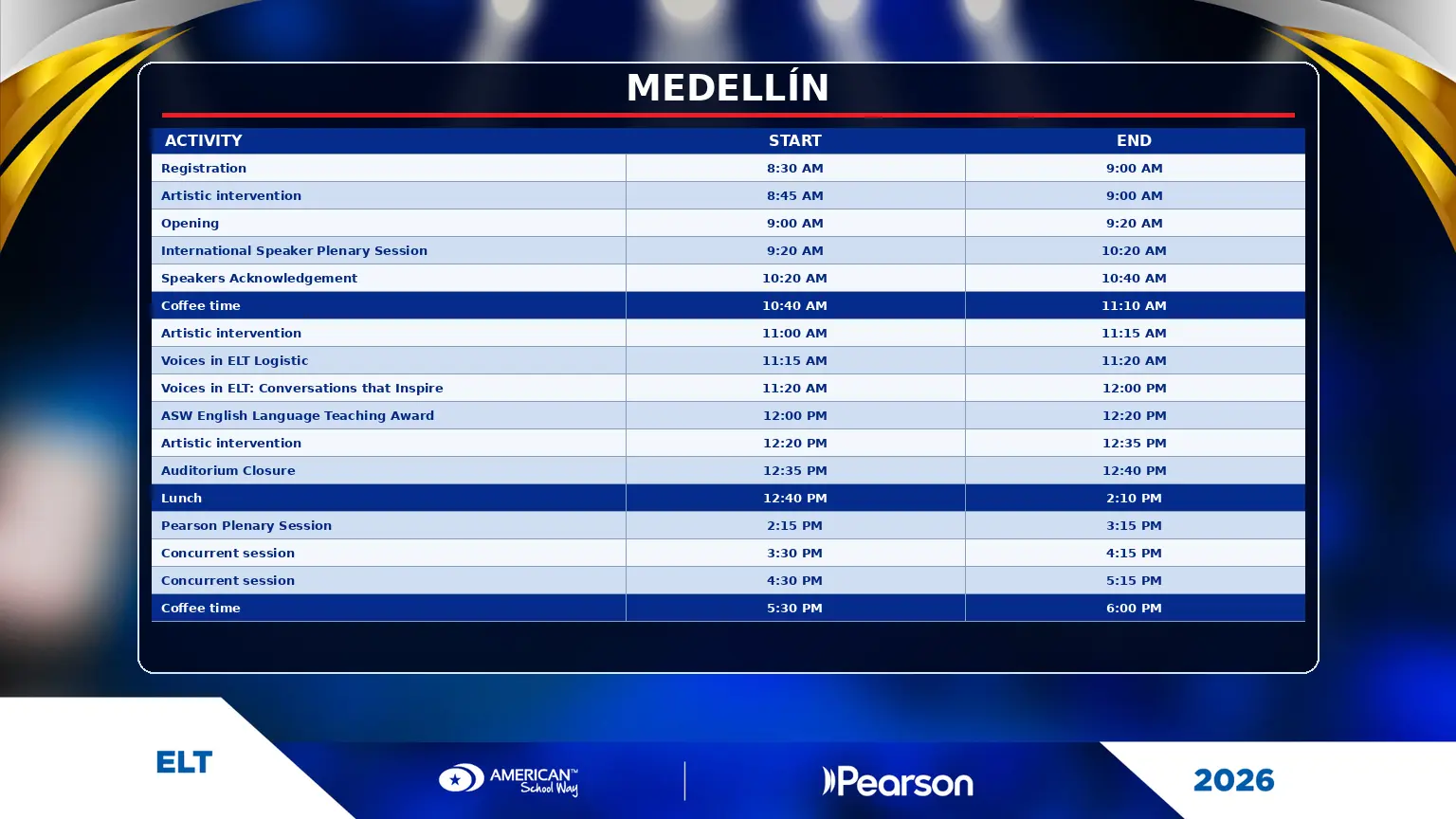
Schedule
15:30 - 16:15
Teachers become tool makers: a guide on simple web technologies for educators. (WS)
Santiago Paniagua Mejía
 Santiago Paniagua Mejía
Grounded firmly in constructivist learning and the TPACK framework, this workshop empowers you to turn theory into practice. Using AI assistance, you will create functional classroom apps with HTML to actively integrate gamification and maker education. We will explore through ideas to leave with custom classroom apps ready for your next lesson, plus the skills to independently design tools that will work on any computer or device with a browser, looking forward to building a more engaging and impactful lesson.
Available seats: 0
Can you handle my classroom ? As Britney Spears said (RT)
Diana Marcela Carrillo Contreras, Carlos Mario Escobar Calle
 Diana Marcela Carrillo Contreras
 Carlos Mario Escobar Calle
This round-table discussion will explore different student archetypes according to theory and compare them with real classroom cases. Through discussion of real cases, teachers will examine whether theorical approaches are applicable or merely bureaucratic. Furthermore, teachers will share experiences, learn from one another, and enrich their teaching strategies.
Available seats: 0
Stuck in the Middle: Turning Evaluation Anxiety into Growth (ES)
Jader Jesús Vega Calle
 Jader Jesús Vega Calle
Many A1-B2 students hit a wall in listening and speaking — and stop coming, afraid of Reference and speaking exams they feel unprepared for. Through live polls, conversation-based cases, and a myth-vs-reality check, this session builds a shared understanding of what's really behind that fear. It then presents a concrete strategy to bring students closer to assessment, followed by a collective-building activity where participants design and vote on how to apply it in their classrooms.
Available seats: 0
Turn on your creativity to avoid burntout at work. (WS)
Arlen Yuseth Escobar Maldonado
 Arlen Yuseth Escobar Maldonado
The new abstract goes: Teaching at ASW may become repetitive and monotonous. In this workshop we will learn how to avoid burntout by exploring creative tools. We will discover what lateral thinking is and how we can use it to find solutions to daily problems in classes. Besides, we will discuss how to take care of our mental health using the "creativity" tool when we are not working.
Available seats: 0
Meaningful gamification for lasting vocabulary learning (WS)
Hilda Alexandra Montoya Gallego, Mónica Marcela Velásquez Becerra
 Hilda Alexandra Montoya Gallego
 Mónica Marcela Velásquez Becerra
This workshop supports teachers with three different strategies - running dictation, vanishing verbs, and memory grid challenge - in order to develop/build lasting vocabulary retention through gamification. Participants will live the activities firsthand in order to learn more about delayed feedback to aim students to correct themselves, design and adapt games to different classroom needs and make them use vocabulary into real communication. Teachers will leave with classroom tested strategies, combining vocabulary practice, feedback and meaningful language use.
Available seats: 0
16:30 - 17:15
Every Student Has a Story (ES)
Jorge Iván Márquez Úsuga
 Jorge Iván Márquez Úsuga
How do we respond when a student's behavior challenges us? Drawing on experiences from our English classrooms, this experience-sharing session invites teachers to step into students' shoes through short role-plays. Participants will explore classroom situations, pause at key moments, and discuss how they would respond before discovering what may be behind each behavior. Teachers will rethink their first reactions, explore communication for understanding students, and leave with practical ideas for challenging classroom situations.
Available seats: 0
Parcero, Not Perfect: Making Room for Colombian English (RPP)
Beau Daniel Brousson
 Beau Daniel Brousson
Drawing on linguistic imperialism, native-speakerism (Holliday), and World Englishes (Kachru), this talk examines how "standard" English became institutionalized in ELT. Applying translanguaging theory (García & Wei), it argues for deliberately blending Englishes, Colombian expressions included, to build learner creativity, confidence, and ownership.
Available seats: 0
Motion Makes Room for Speech: Sociomotricity and SEL in ELT Classes (WS)
Mateo Marulanda Saldarriaga
 Mateo Marulanda Saldarriaga
Space-constrained ELT classrooms cannot always build social-emotional safety through talk alone. Sociomotricity—motor action that takes meaning through interaction with others—offers a practical framework for Social Emotional Learning (SEL). This session shows how physical presence, somatic regulation, and gestures shape small-group interaction, lowering foreign language anxiety and supporting equitable turn-taking. The result is a simple model that turns restricted spaces into emotionally supportive settings for confident oral production.
Available seats: 3
Teach ESL and Fostering Conversation with Music (ES)
Melvyn Antwain Blackwell
 Melvyn Antwain Blackwell
Sharing Experiencing with using Music as a teaching and conversation tool in classrooms. By pairing songs with purposeful speaking tasks, reflection, and collaborative discussion. Engage teachers with exercises and conversation initiator to help students develop language proficiency while also exploring themes such as resilience, identity, equity, and well-being. Facilitating Vocabulary, Listening, and communicative exercises to teach and encourage students to use English for expressing, understanding others, and engaging thoughtfully with the world around them.
Available seats: 0
Manizales
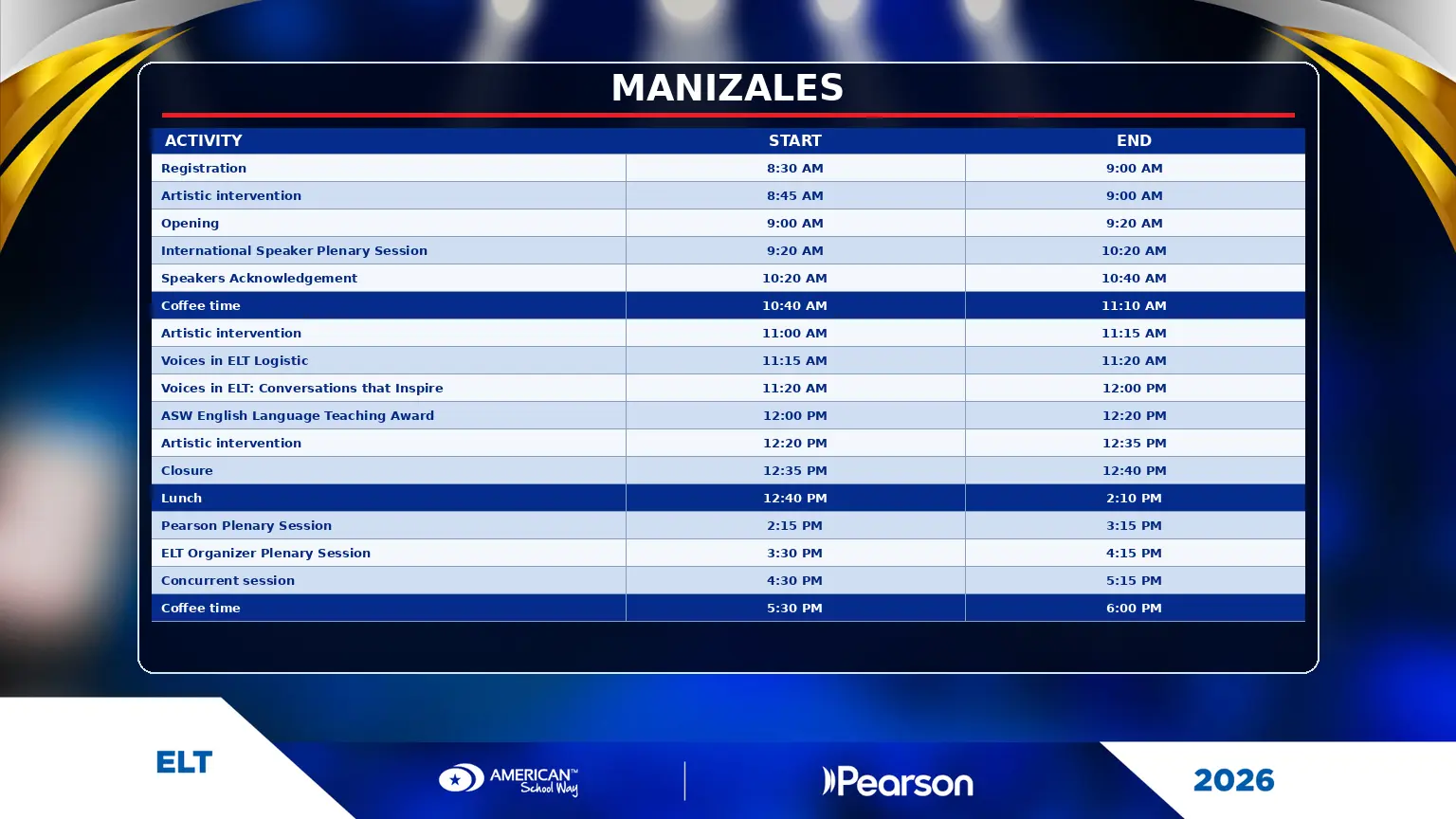
Schedule
16:30 - 17:15
Turning Gaps into Opportunities: Empowering Teachers Curiosity, Reflection, and Growth (WS)
Daniel Mesa Marulanda
 Daniel Mesa Marulanda
This presentation explores how moments of uncertainty and lack of knowledge can become powerful educational opportunities. Rather than viewing gaps as weaknesses, teachers will see how to transform them into spaces for inquiry, critical thinking, and collaborative learning. Supporting it on contemporary educational research, the session highlights through practical strategies that foster growth mindsets, reflective practice, student engagement, and engaging curiosity with proper prompting in situation.
Available seats: 3
The brain orchestra: Teaching from different parts of the brain (WS)
Lorena Tatiana Ayala Benavides
 Lorena Tatiana Ayala Benavides
Scientific evidence shows that the brain works as an orchestra and that promoting all areas of the cerebral cortex when learning will favor acquiring skills and abilities. That is why this workshop seeks to invite America School Way's mentors to use activities that activate brain connections throughout the cerebral cortex during their class sessions, within a case study.
Available seats: 1
Cali
Schedule
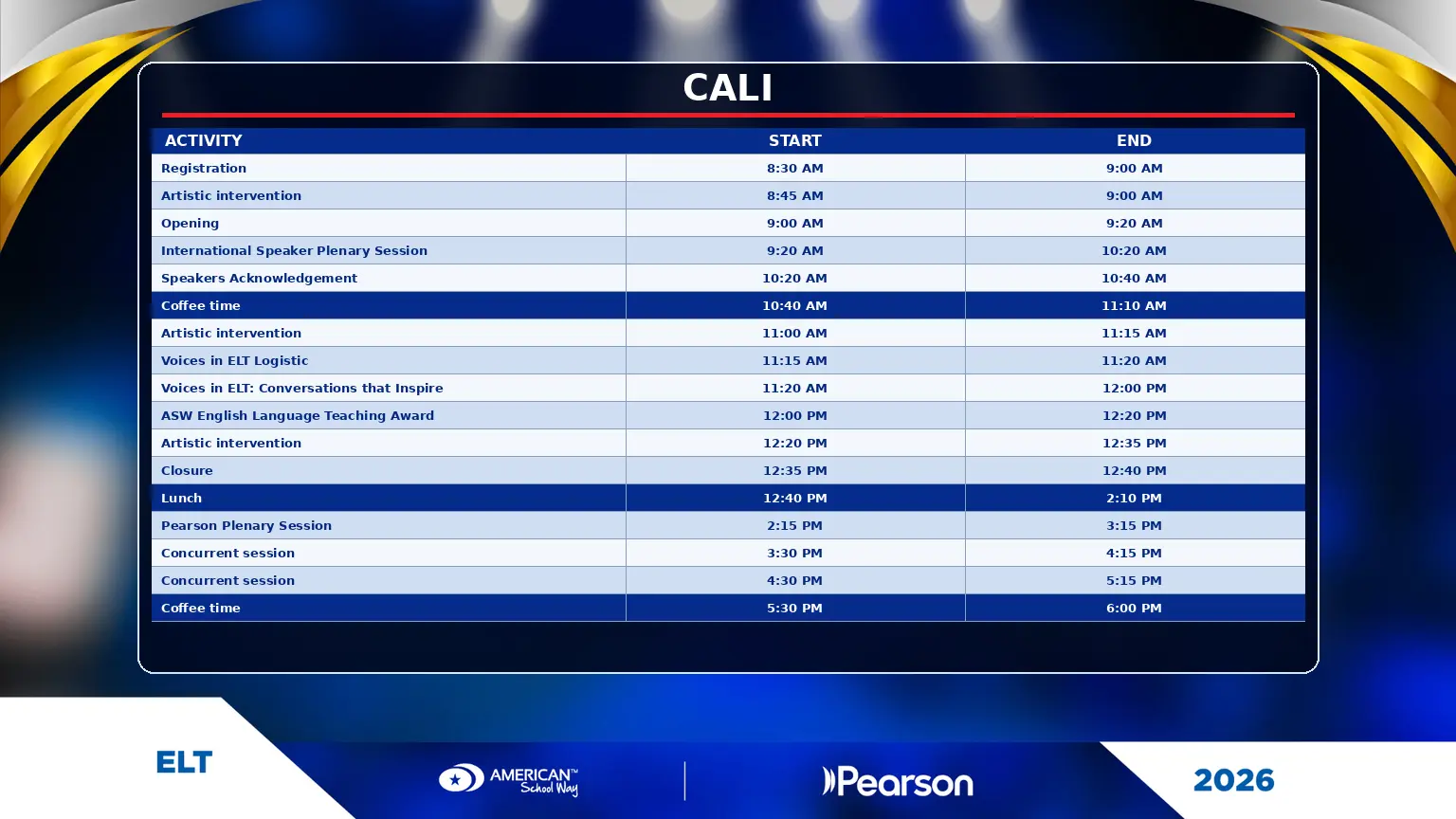
15:30 - 16:15
The Classroom Reset: Using SEL to Reconnect Students with Learning. (WS)
Maria Fernanda Ussa García
 Maria Fernanda Ussa García
In times of uncertainty, crisis, and emotional stress, students may enter the classroom carrying experiences that affect their attention, participation, relationships, and ability to learn. The Classroom Reset explores how Social Emotional Learning (SEL) can help teachers create the conditions students need to reconnect with learning. Through the SCALE framework — Safety, Connection, Agency, Language, and Empowerment — participants will explore practical ways to integrate SEL into everyday language teaching, transforming the classroom into a space where students can reconnect and learn.
Available seats: 0
Need Before Language: Creating Purpose for Communication. (WS)
Steven Loaiza Caez
 Steven Loaiza Caez
What do we need language for? This workshop explores how teachers can create a communicative need before presenting the language needed to meet it. By placing students in purposeful, real-life scenarios with a clear goal but limited linguistic resources, teachers can create a reason to communicate before formal instruction. Drawing on Harmer’s Engage–Study–Activate (ESA) framework and other perspectives on language teaching and learning, the workshop examines how this approach can foster engagement, Student Talking Time, and meaningful language use from the first minutes of a lesson.
Available seats: 8
16:30 - 17:15
STOP! and think: Gamifying Vocabulary Learning in the Classroom (WS)
Diego Fernando Paz Idárraga
 Diego Fernando Paz Idárraga
Vocabulary learning can be enhanced through interactive, game-based activities that promote retrieval, repetition, categorization, and meaningful communication. This workshop demonstrates how STOP and similar games can be adapted for different levels and contexts, engaging both students and teachers while providing practical, low-preparation strategies for active, collaborative, and enjoyable vocabulary development.
Available seats: 5
English Belongs to Everyone - The Search for Intercultural Acceptance (ES)
Djana Kalifa Mathews
 Djana Kalifa Mathews
English is the most widespread language worldwide. However, it’s almost always immediately associated only with either American or British varieties. There are more countries from which the language originates, as well as other countries whose cultures have greatly impacted the lexicon. The intercultural influences to this global language will be explored through personal reflections, with the aim of increasing awareness, appreciation and respect for all Englishes. This should also develop a sense of belonging among English speakers from all cultures.
Available seats: 1
Villavicencio
Schedule
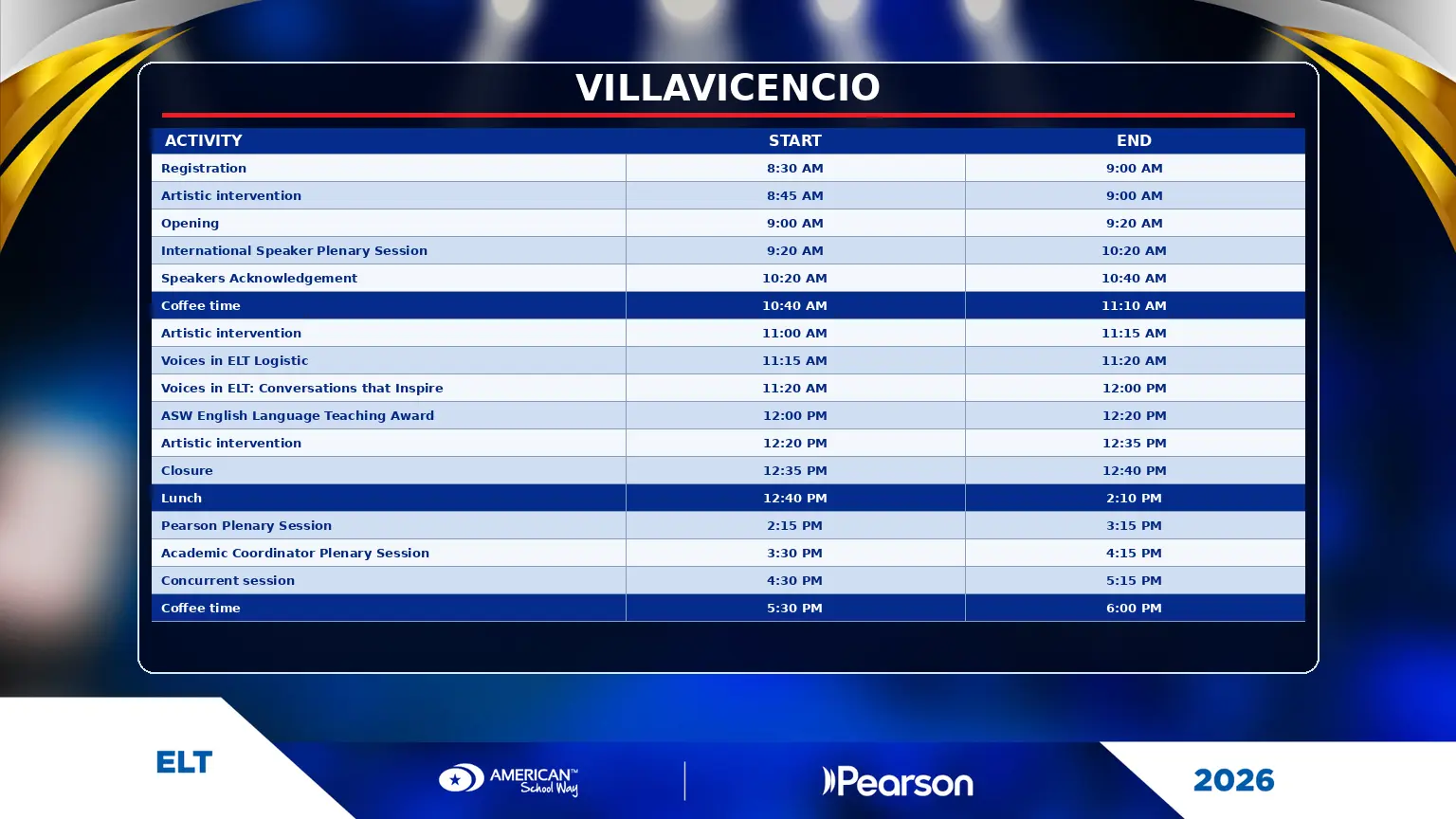
16:30 - 17:15
From World Traveler to Impactful Educator (ES)
Renny Rene Rojas Lozada
 Renny Rene Rojas Lozada
English is a bridge for human connection emotions. I’ve been in +80 countries and experience with international cooperation job, I’ll share how authentic estorytelling transforms the language classroom into a space of emotional resonance. Rather than treating English as an academic subject, we expplore how lived global experiences spark curiosity, foster genuine student engagement, and elevate daily teaching practices. Educators will discover how sharing real-world encounters creates meaningful emmotional bonds, making language learning an inspiring, both teachers and students.
Available seats: 2
The Blade of Olympus and AI: Two misleading tools (WS)
Yerson Leandro Laverde Serna
 Yerson Leandro Laverde Serna
Inspired by God of War II, this workshop explores how ignorance can lead us to forfeit our power, much like Kratos surrendering his strength to the Blade of Olympus. In this analogy, the Blade represents the fast, high-impact integration of artificial intelligence and how its application has sparked heavy ethical and performance debates in education. So, in this workshop, attendants will explore some spaces to use AI tools and learn to develop their own by figuring out appropriate ways to use this technology in their classes.
Available seats: 0
Virtual
Schedule
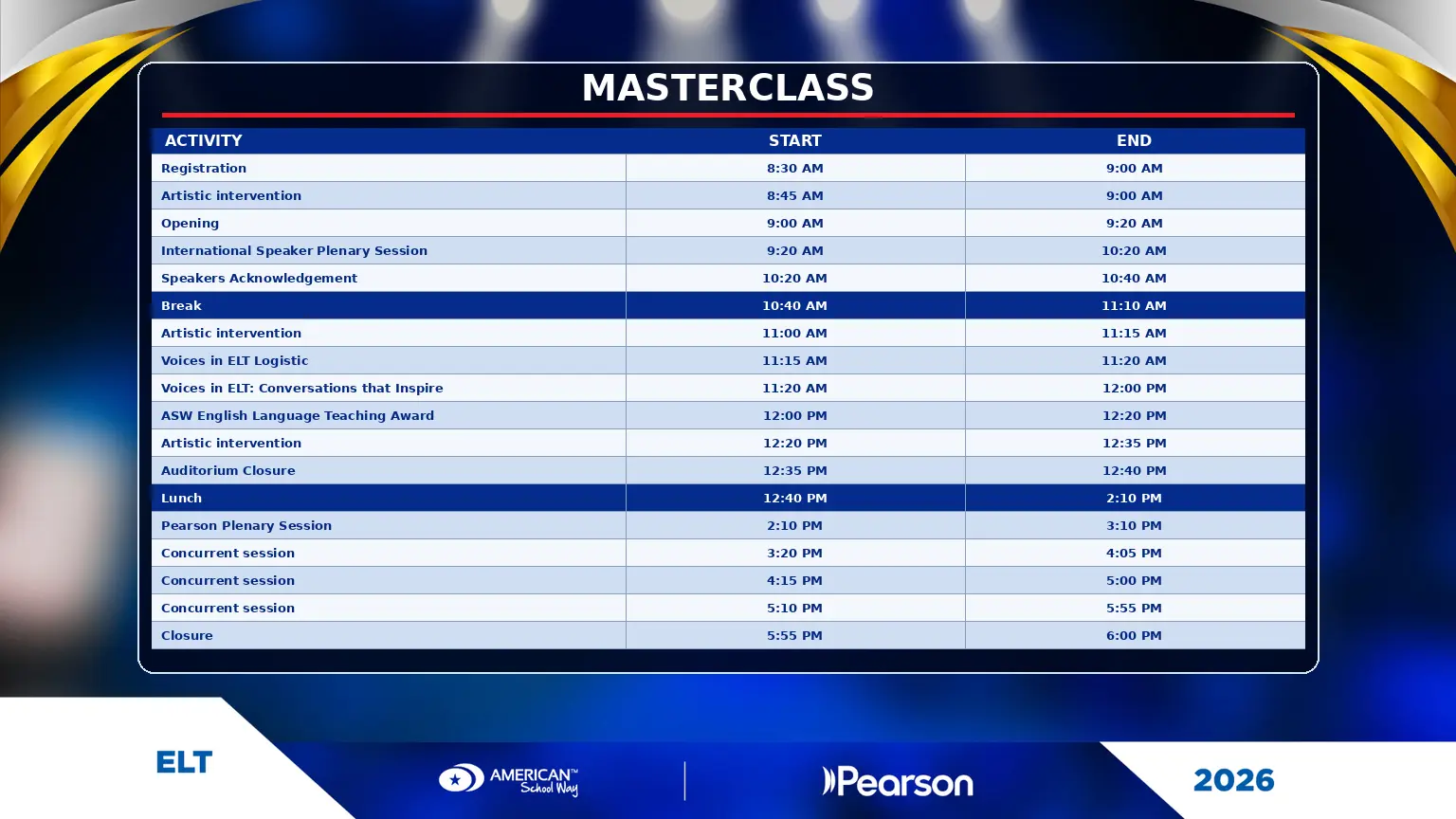
15:20 - 16:05
Same Language, different worlds: rethinking English, culture and communication. (ES)
Sara Janyce Martínez González
 Sara Janyce Martínez González
Learning English involves more than mastering grammar, vocabulary, and pronunciation. In real-world contexts, learners encounter diverse accents, communication styles, cultural expectations, and perspectives that textbooks may not fully address. This experience-sharing session explores how EFL teachers can develop intercultural awareness alongside language proficiency through authentic experiences, practical activities, and reflection. Participants will consider ways to help learners listen, adapt, and connect across cultural differences while maintaining their identities. Ultimately, the session presents English learning as a pathway to communication, confidence, connection, and belonging.
Available seats: 3
Empowering ELT Teachers: Crafting Adaptive Materials with AI (WS)
Diana Elizabeth Abril Burgos, Edwin Andrés Becerra Rojas
 Diana Elizabeth Abril Burgos
 Edwin Andrés Becerra Rojas
Heavy workloads often limit teachers’ ability to adapt materials effectively. This interactive workshop tries to demonstrate how to maximize AI tools as pedagogical allies to design differentiated, context-responsive ELT resources in minutes. Guided by post-method pedagogy, participants will critically evaluate AI output to correct errors and avoid curriculum discrepancy. Through a live hands-on exercise, attendees will transform rigid texts into multi-level activities, gaining practical workflows that enhance teaching autonomy, save planning time, and boost professional agency.
Available seats: 0
If AI Can Do It, Should Teachers Still Do It? (RT)
Camilo Andrés Sánchez López, Alejandra Londoño Riaño
 Camilo Andrés Sánchez López
 Alejandra Londoño Riaño
As AI increasingly performs tasks once reserved for teachers and learners, English language educators face a question: what should remain uniquely human in teaching? This round table invites participants to examine AI’s role in planning, feedback, assessment, and learning activities through classroom dilemmas. Using guided questions and experience sharing, we will connect participants’ practices with digital pedagogical innovation and human-centered education. Participants will leave with perspectives and criteria for deciding when AI should support, transform, or remain outside classroom practice.
Available seats: 4
16:15 - 17:00
Empowering ELT Teachers: Crafting Adaptive Materials with AI (WS)
Diana Elizabeth Abril Burgos, Edwin Andrés Becerra Rojas
Diana Elizabeth Abril Burgos
Edwin Andrés Becerra Rojas
Heavy workloads often limit teachers’ ability to adapt materials effectively. This interactive workshop tries to demonstrate how to maximize AI tools as pedagogical allies to design differentiated, context-responsive ELT resources in minutes. Guided by post-method pedagogy, participants will critically evaluate AI output to correct errors and avoid curriculum discrepancy. Through a live hands-on exercise, attendees will transform rigid texts into multi-level activities, gaining practical workflows that enhance teaching autonomy, save planning time, and boost professional agency.
Available seats: 2
If AI Can Do It, Should Teachers Still Do It? (RT)
Camilo Andrés Sánchez López, Alejandra Londoño Riaño
Camilo Andrés Sánchez López
Alejandra Londoño Riaño
As AI increasingly performs tasks once reserved for teachers and learners, English language educators face a question: what should remain uniquely human in teaching? This round table invites participants to examine AI’s role in planning, feedback, assessment, and learning activities through classroom dilemmas. Using guided questions and experience sharing, we will connect participants’ practices with digital pedagogical innovation and human-centered education. Participants will leave with perspectives and criteria for deciding when AI should support, transform, or remain outside classroom practice.
Available seats: 3
Transforming lessons into real knowledge according to Ebbinghaus. (RPP)
Yeison Felipe Álvarez Garzón
 Yeison Felipe Álvarez Garzón
The Ebbinghaus Forgetting Curve explains why learners rapidly lose newly acquired information without constant review. It demonstrates how information learnt declines over time and how strategic review can counteract this process. By applying spaced repetition, active recall, and timely revision, learners can retain vocabulary and grammar more effectively. The outcome is stronger long-term retention, greater learning efficiency, and increased confidence in using English independently transforming short-term exposure into durable language proficiency.
Available seats: 1
Social Impact through English Education (ES)
José Pablo Monroy Ferrería
 José Pablo Monroy Ferrería
Most of us when we teach our classes, we face a lot of challenges like technological and emotional challenges, so the idea is how we are going to face those challenges. In this presentation we are going to see some challenges that we face every class, from the technological and emotional issues with our students and sometimes from the teachers. Also, we are going to see which tools we can use for fix these challenges and improve our job performance
Available seats: 2
17:10 - 17:55
Same Language, different worlds: rethinking English, culture and communication. (ES)
Sara Janyce Martínez González
Sara Janyce Martínez González
Learning English involves more than mastering grammar, vocabulary, and pronunciation. In real-world contexts, learners encounter diverse accents, communication styles, cultural expectations, and perspectives that textbooks may not fully address. This experience-sharing session explores how EFL teachers can develop intercultural awareness alongside language proficiency through authentic experiences, practical activities, and reflection. Participants will consider ways to help learners listen, adapt, and connect across cultural differences while maintaining their identities. Ultimately, the session presents English learning as a pathway to communication, confidence, connection, and belonging.
Available seats: 0
Transforming lessons into real knowledge according to Ebbinghaus. (RPP)
Yeison Felipe Álvarez Garzón
Yeison Felipe Álvarez Garzón
The Ebbinghaus Forgetting Curve explains why learners rapidly lose newly acquired information without constant review. It demonstrates how information learnt declines over time and how strategic review can counteract this process. By applying spaced repetition, active recall, and timely revision, learners can retain vocabulary and grammar more effectively. The outcome is stronger long-term retention, greater learning efficiency, and increased confidence in using English independently transforming short-term exposure into durable language proficiency.
Available seats: 1
Social Impact through English Education (ES)
José Pablo Monroy Ferrería
José Pablo Monroy Ferrería
Most of us when we teach our classes, we face a lot of challenges like technological and emotional challenges, so the idea is how we are going to face those challenges. In this presentation we are going to see some challenges that we face every class, from the technological and emotional issues with our students and sometimes from the teachers. Also, we are going to see which tools we can use for fix these challenges and improve our job performance
Available seats: 5
Speakers Through the Years
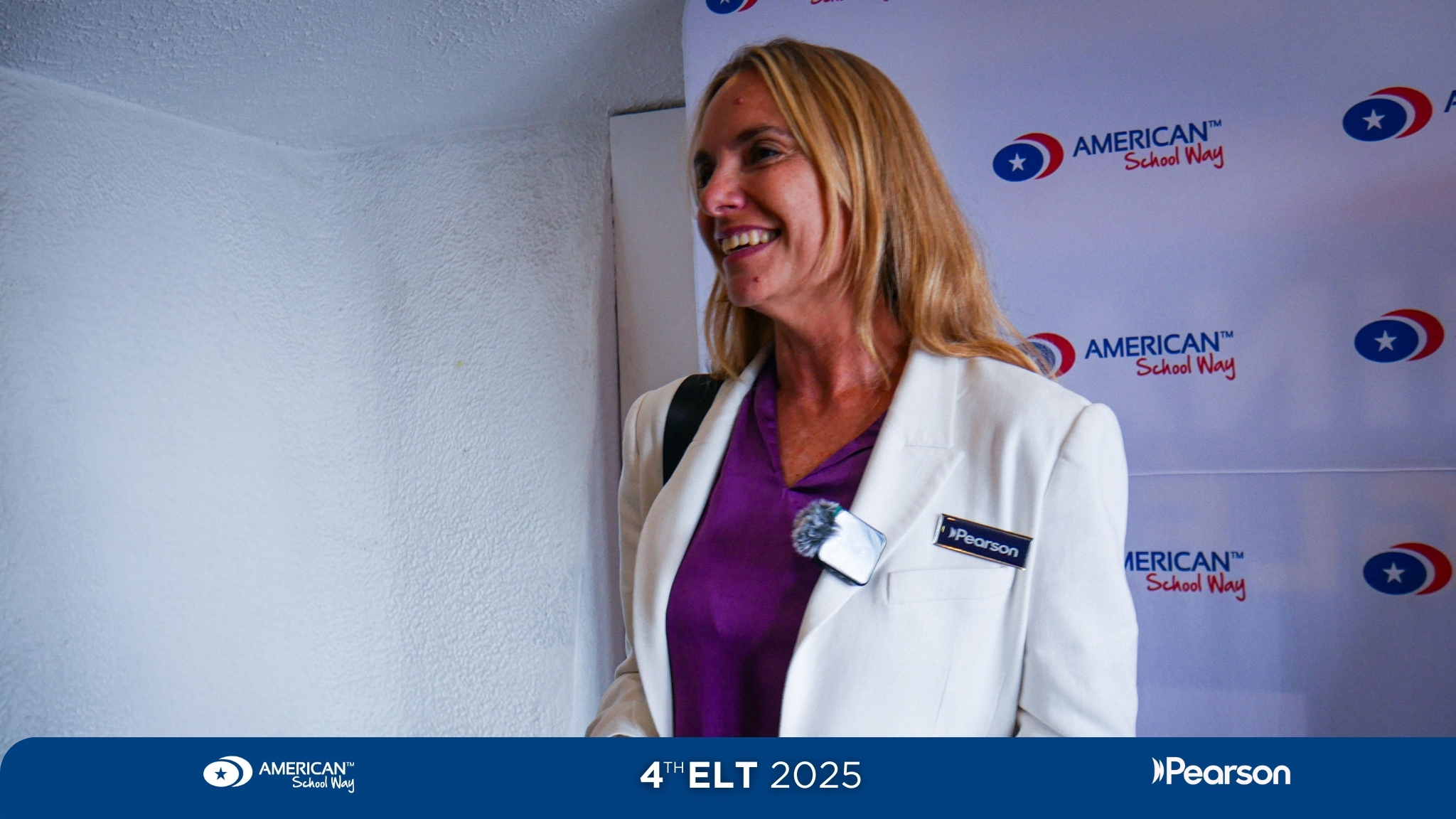
Mónica is an international speaker and professional trainer who helps organizations and educational institutions unlock their full potential through people-centered development strategies. Specialized in leadership, learning, and human skills, she has inspired audiences in 16+ countries. As an Executive Coach, facilitator, and university professor, she blends innovation with a deep understanding of human nature to elevate performance, energize teams, and transform learning experiences.
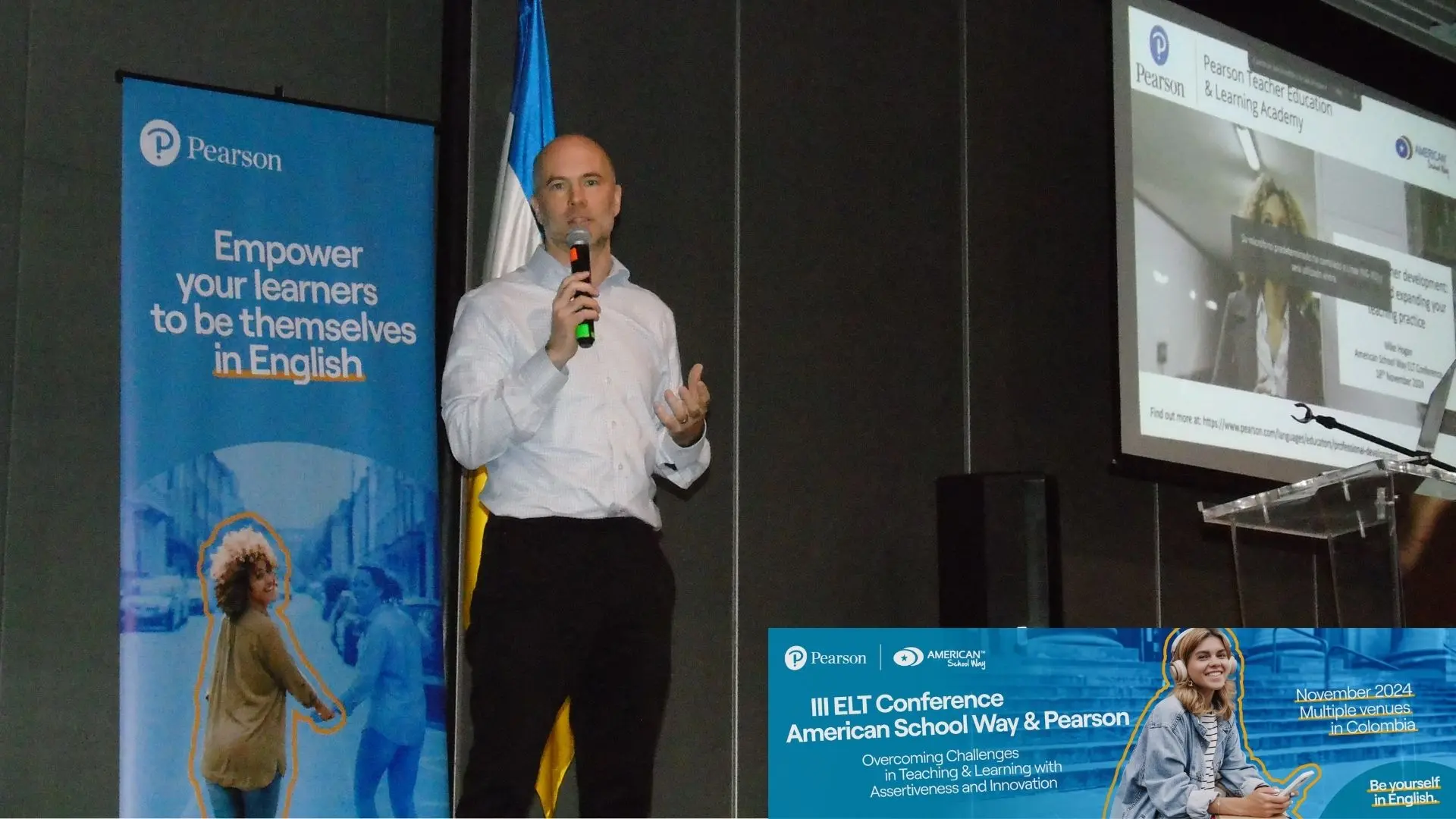
Mike Hogan is an experienced communication and leadership trainer with over 20 years supporting leaders and teams worldwide. Specializing in intercultural communication, performance enablement, and talent retention, he has worked with global brands like BMW, Nestlé, and Volkswagen in 25+ countries. Author of 15+ books on business communication and international leadership, he is dedicated to building effective global relationships and driving educational innovation.
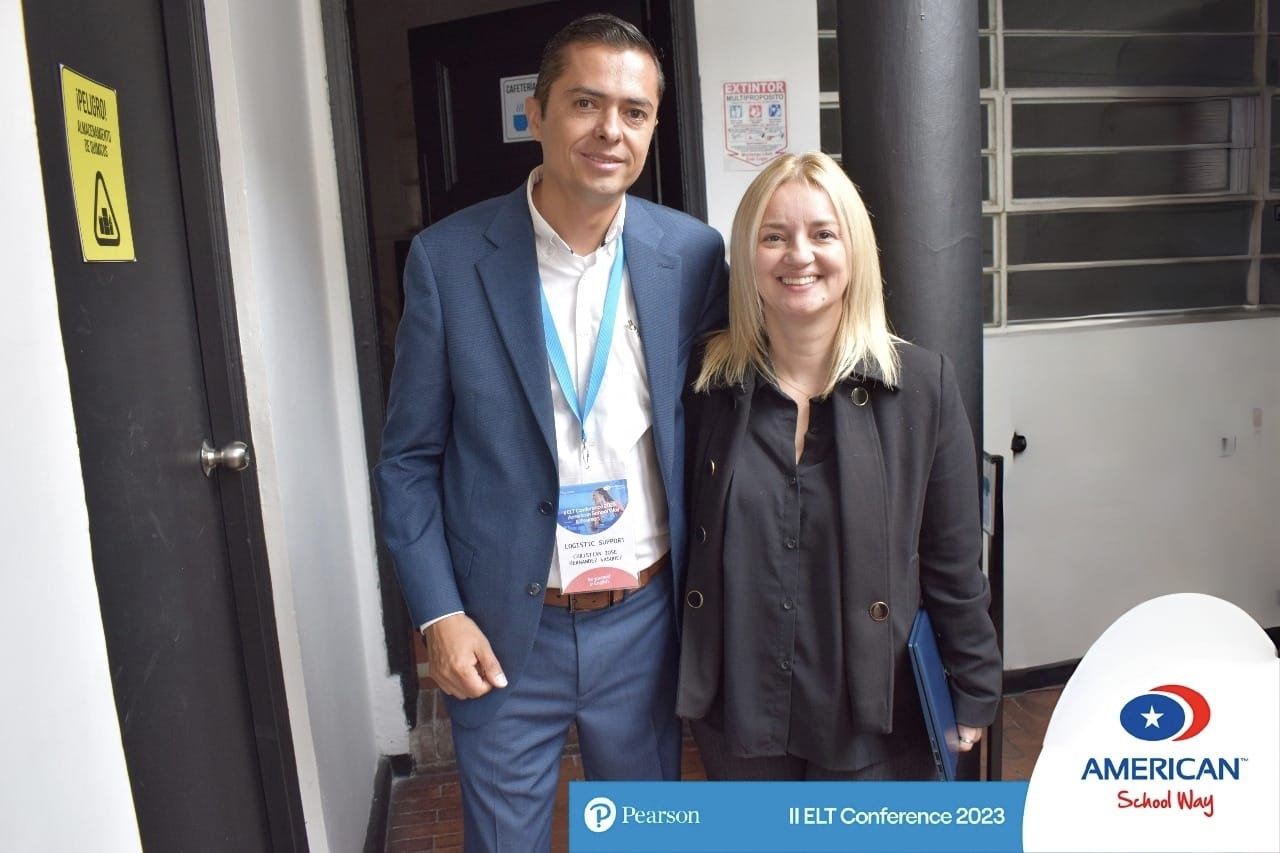
Nancy Reeves is an Academic Consultant at Pearson serving Central America, Colombia, and the Caribbean. With expertise in academic advising, curriculum design, and English, she is committed to transforming learning through innovation. As a PhD candidate, she integrates technology and digital literacy into language education, ensuring students develop strong literary skills alongside essential digital competencies. Her culturally aware approach empowers diverse learners to excel in a connected world.
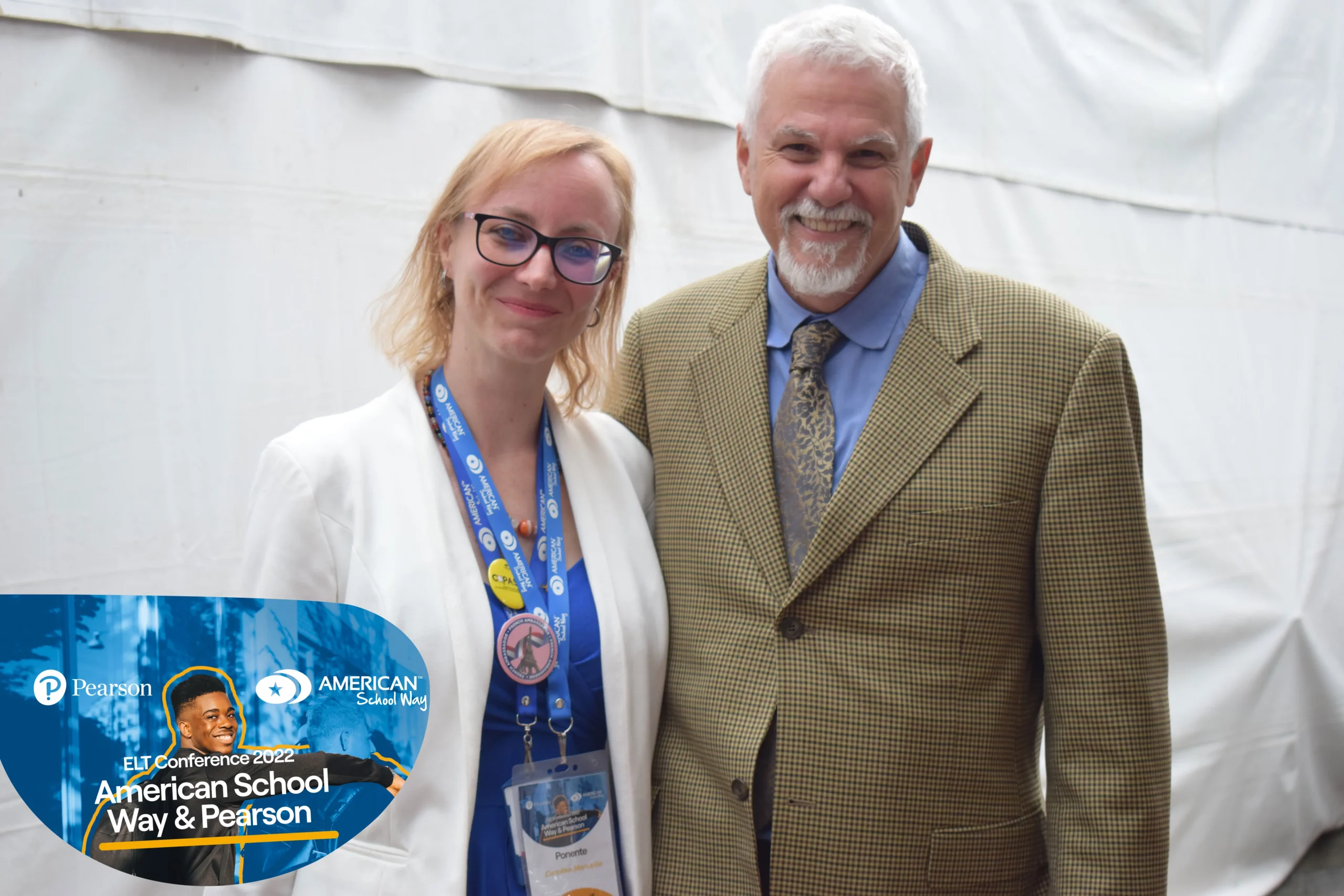
Ken Beatty is a leading authority in English language teaching, known for influential series like StartUp and LEAP, as well as titles such as Break Away Grammar and Teaching and Researching: Computer-assisted Language Learning. With over 500 presentations in 33 countries, he explores topics from educational technology to critical thinking in language learning. His many articles and webinars have shaped modern ELT practices, making him a key voice in advancing global language education.
Galleries
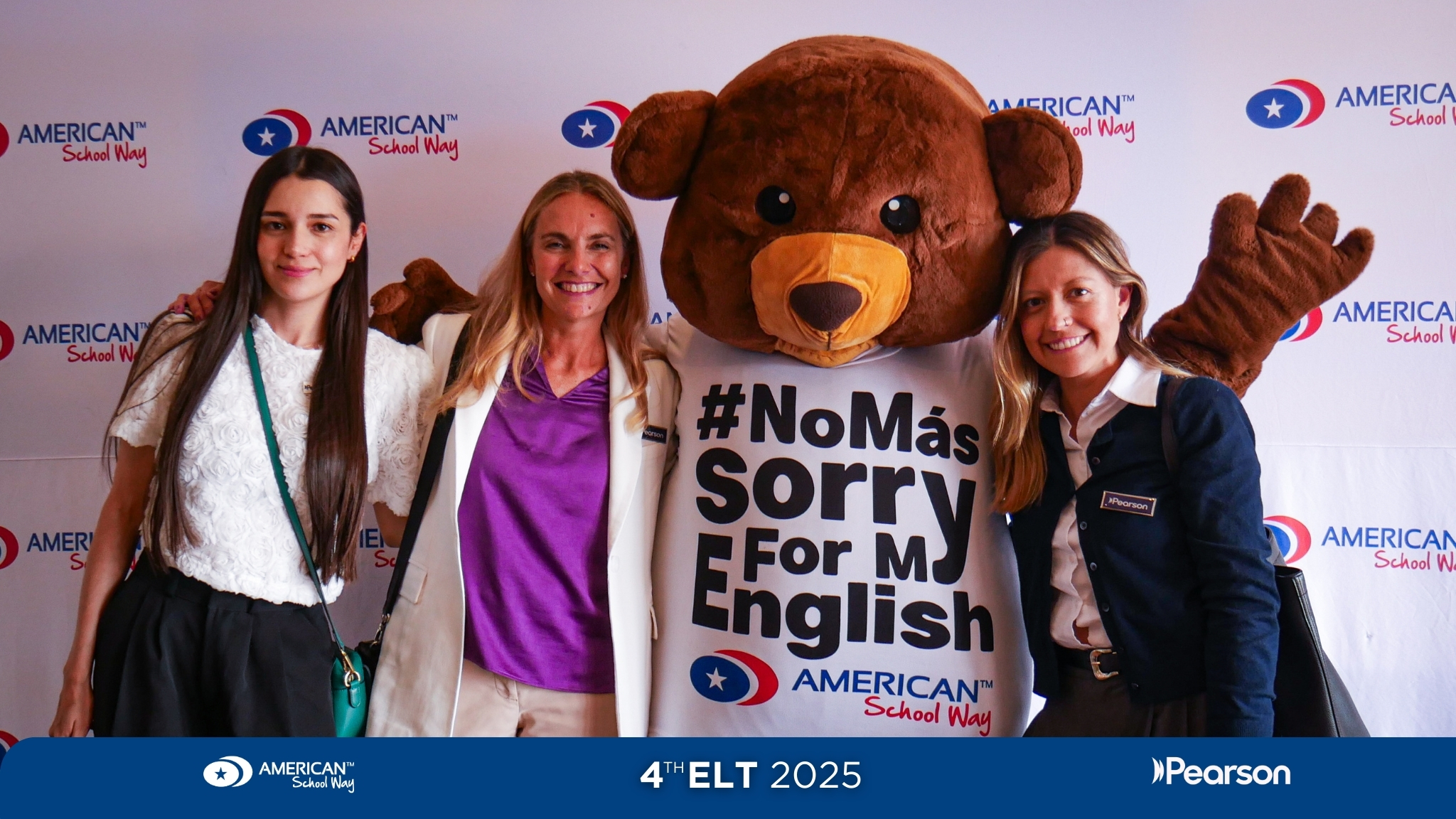
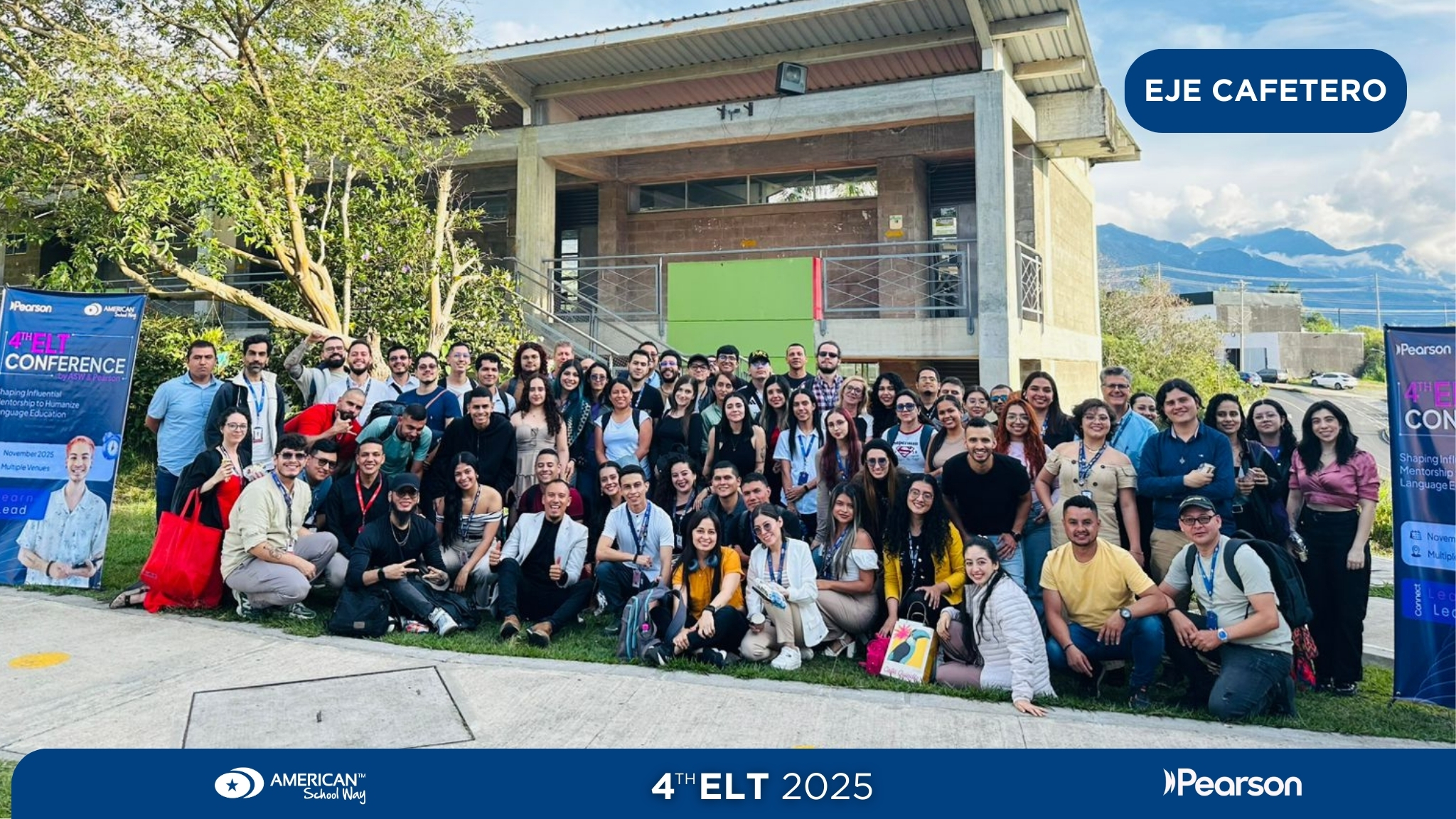
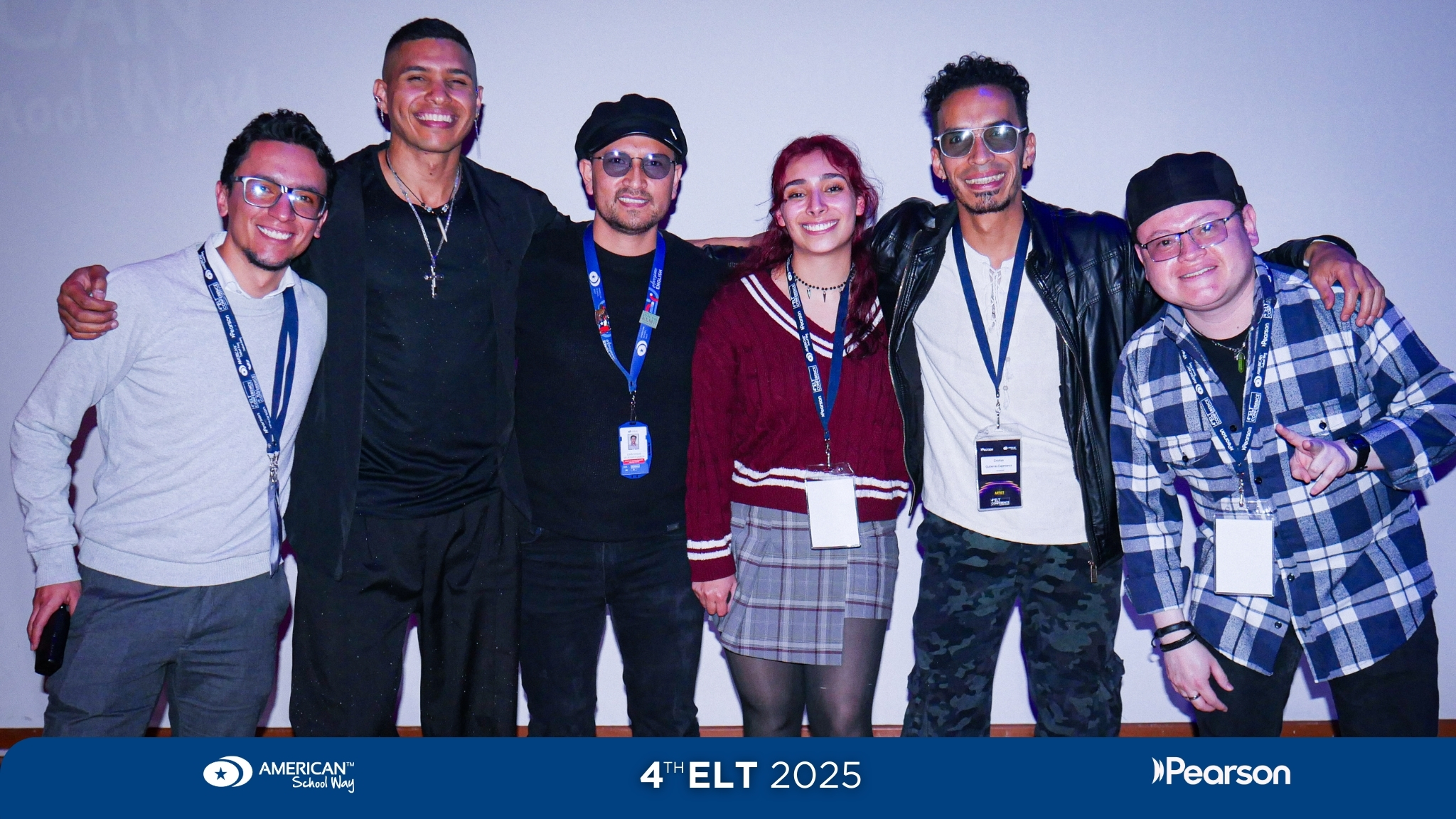
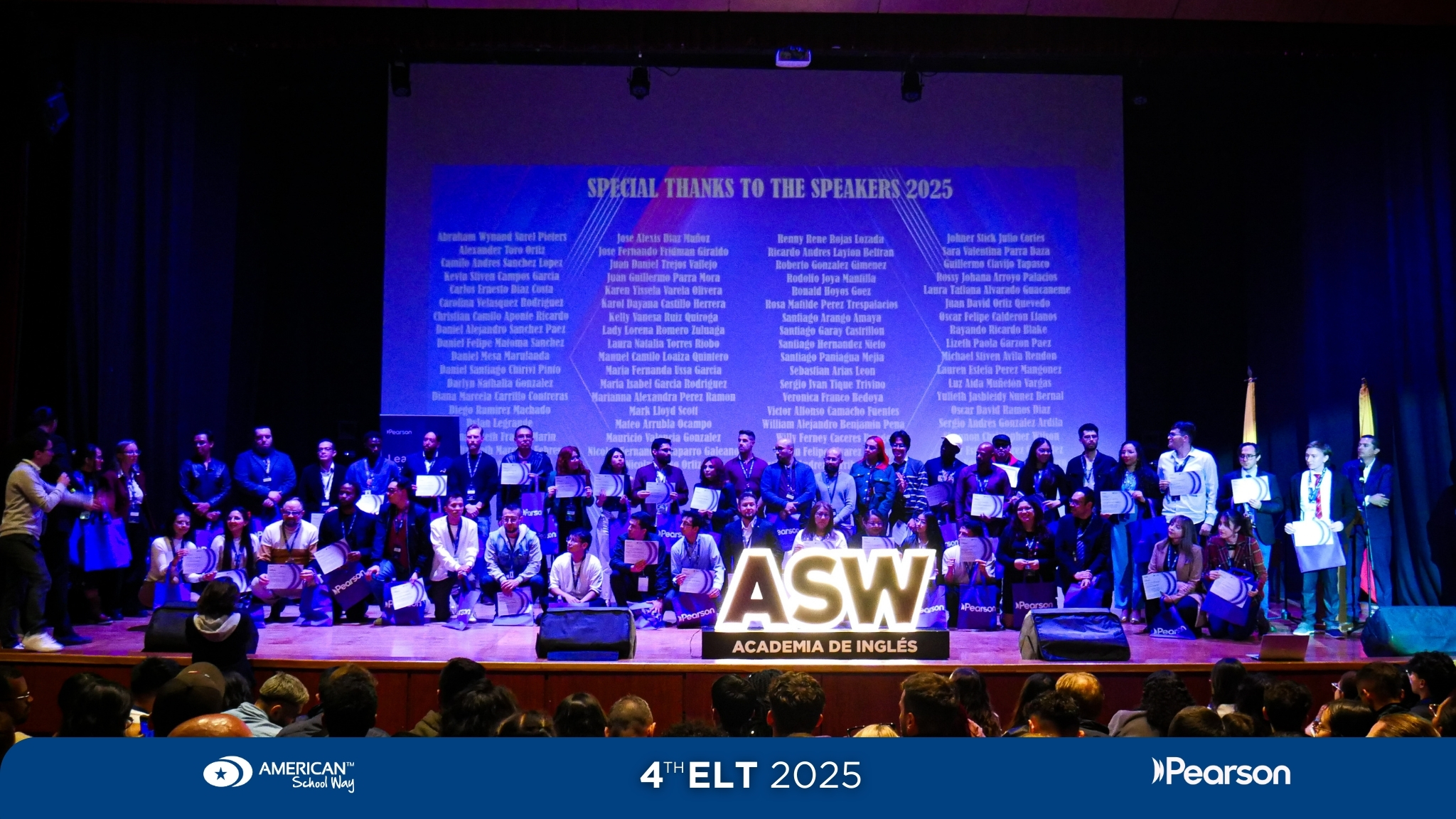
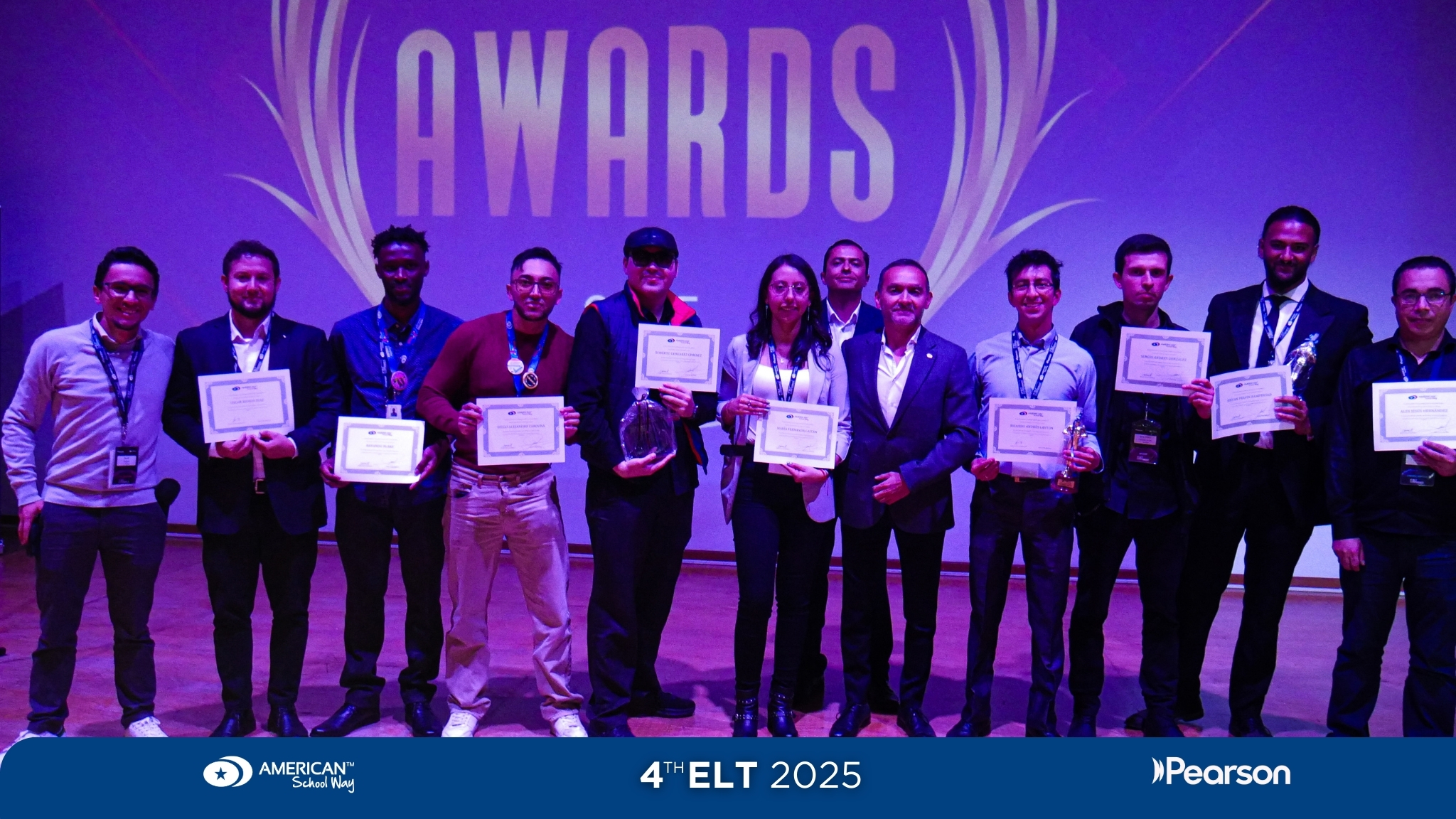
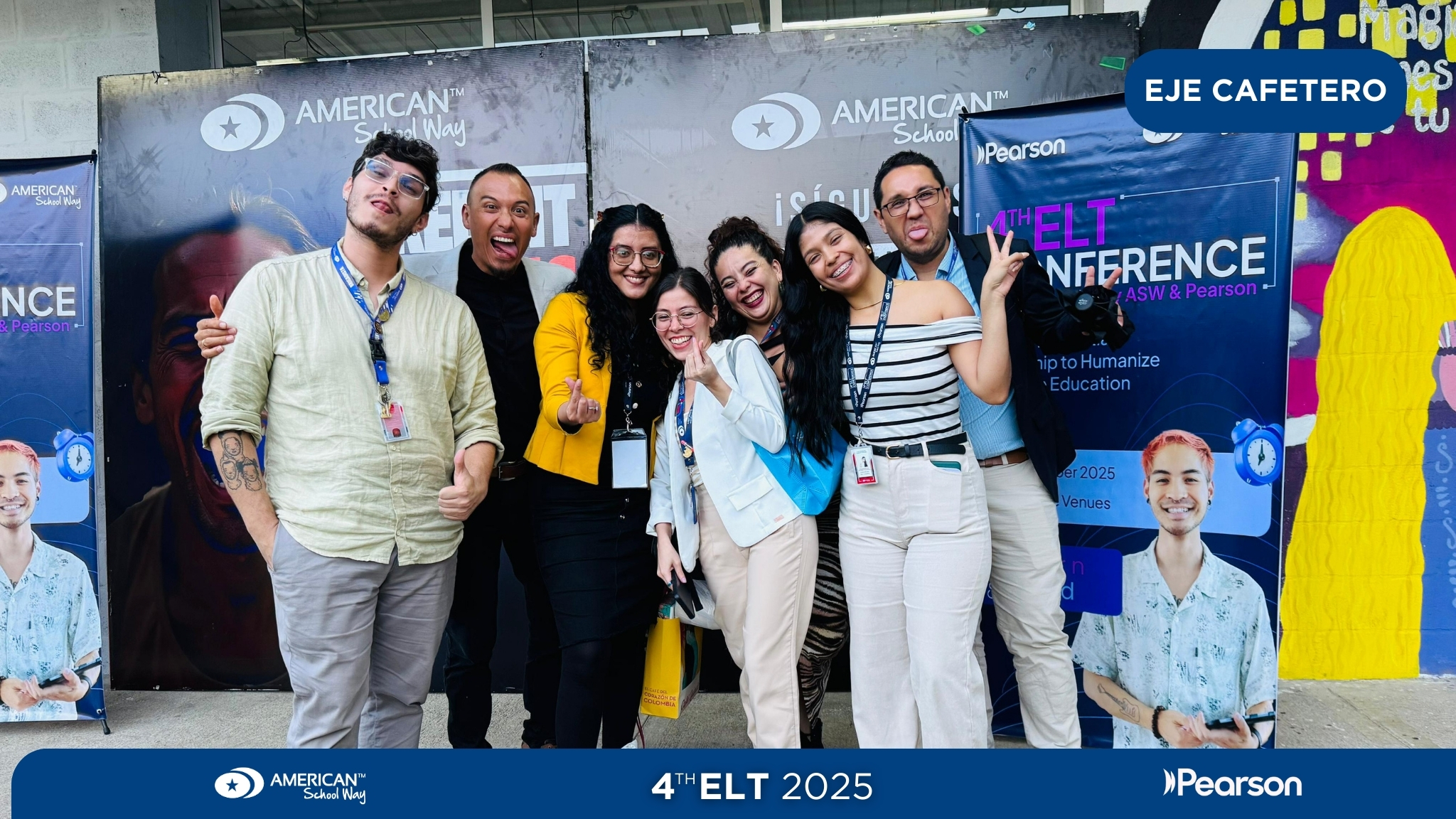
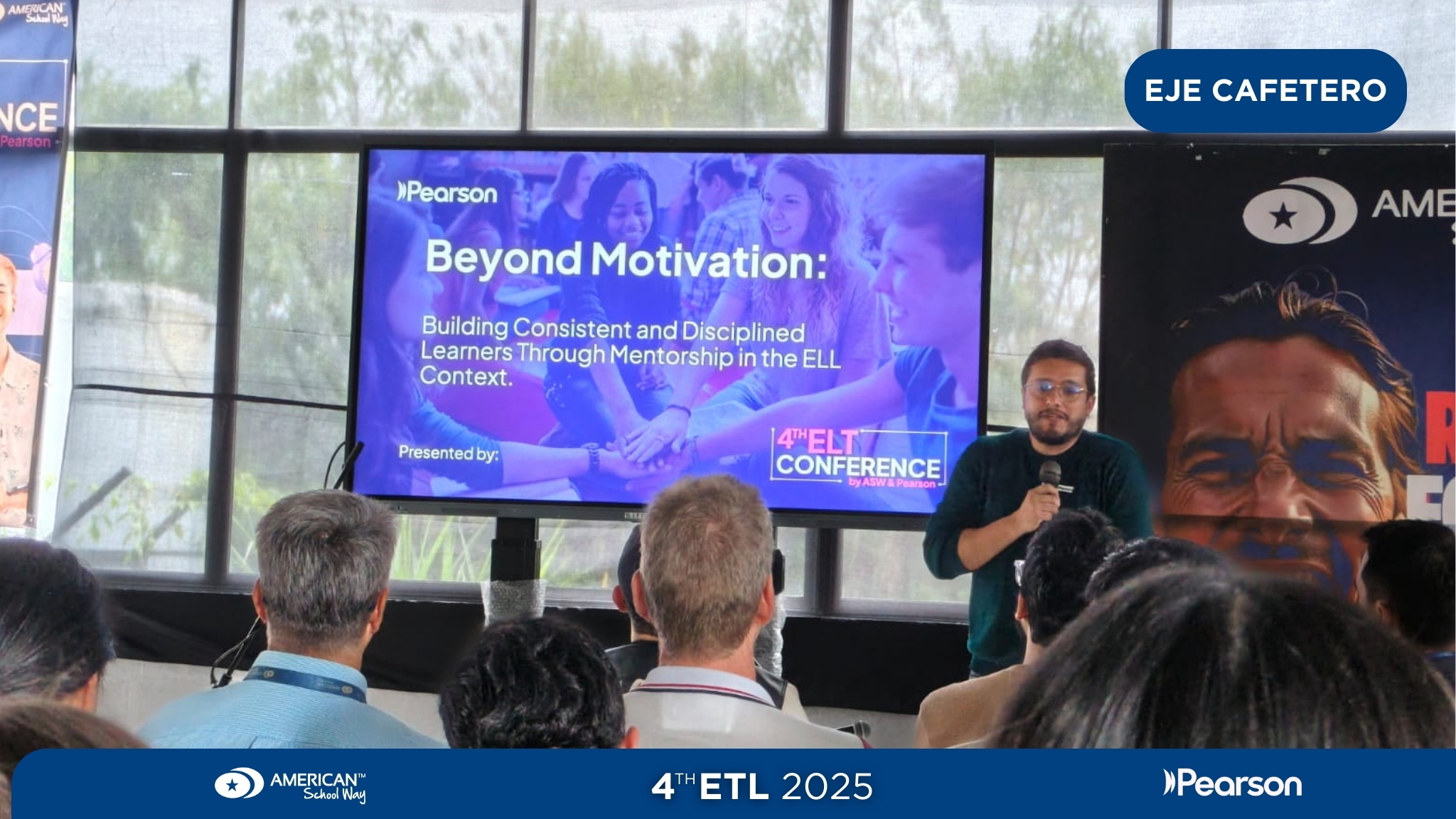
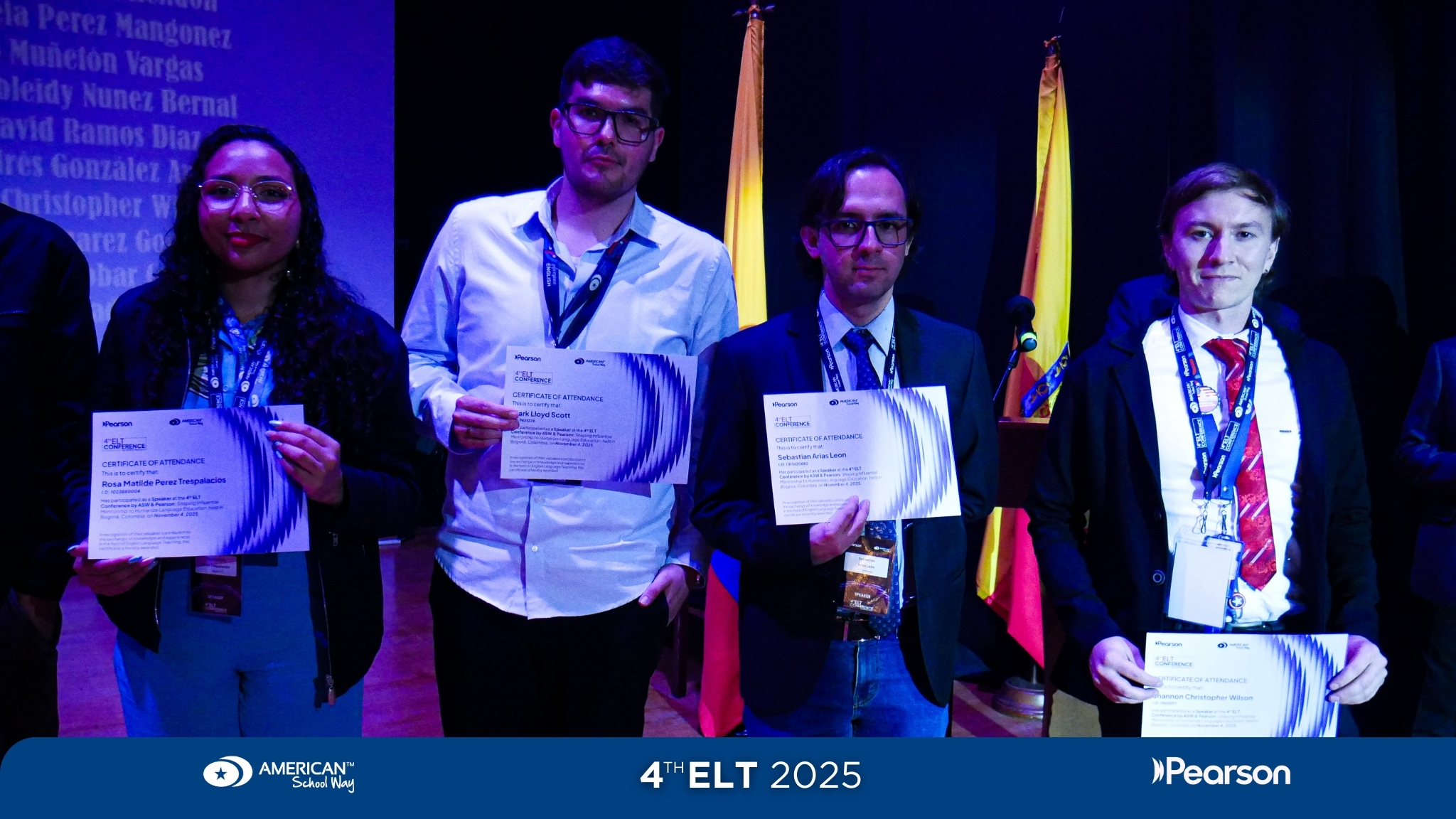
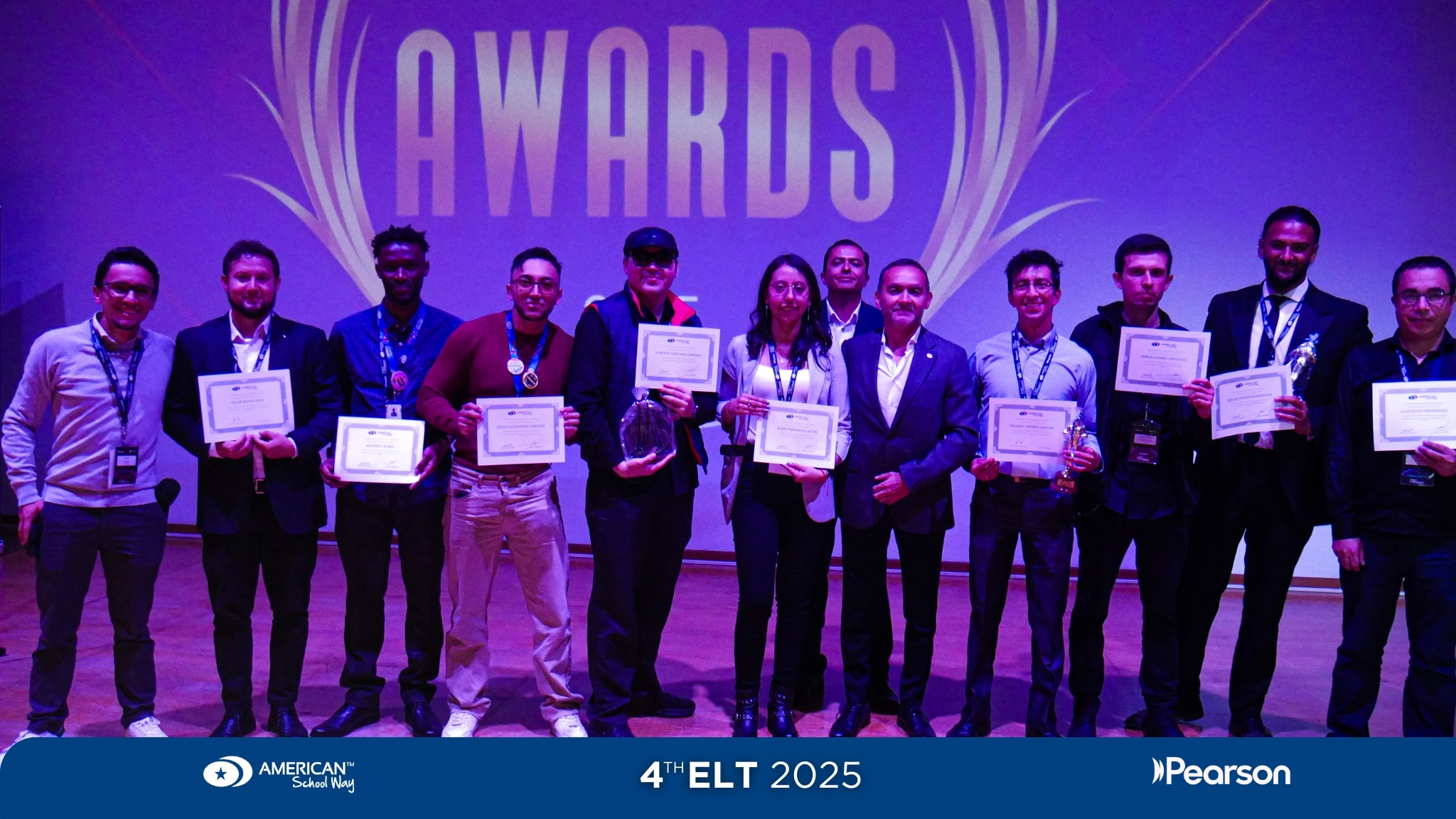
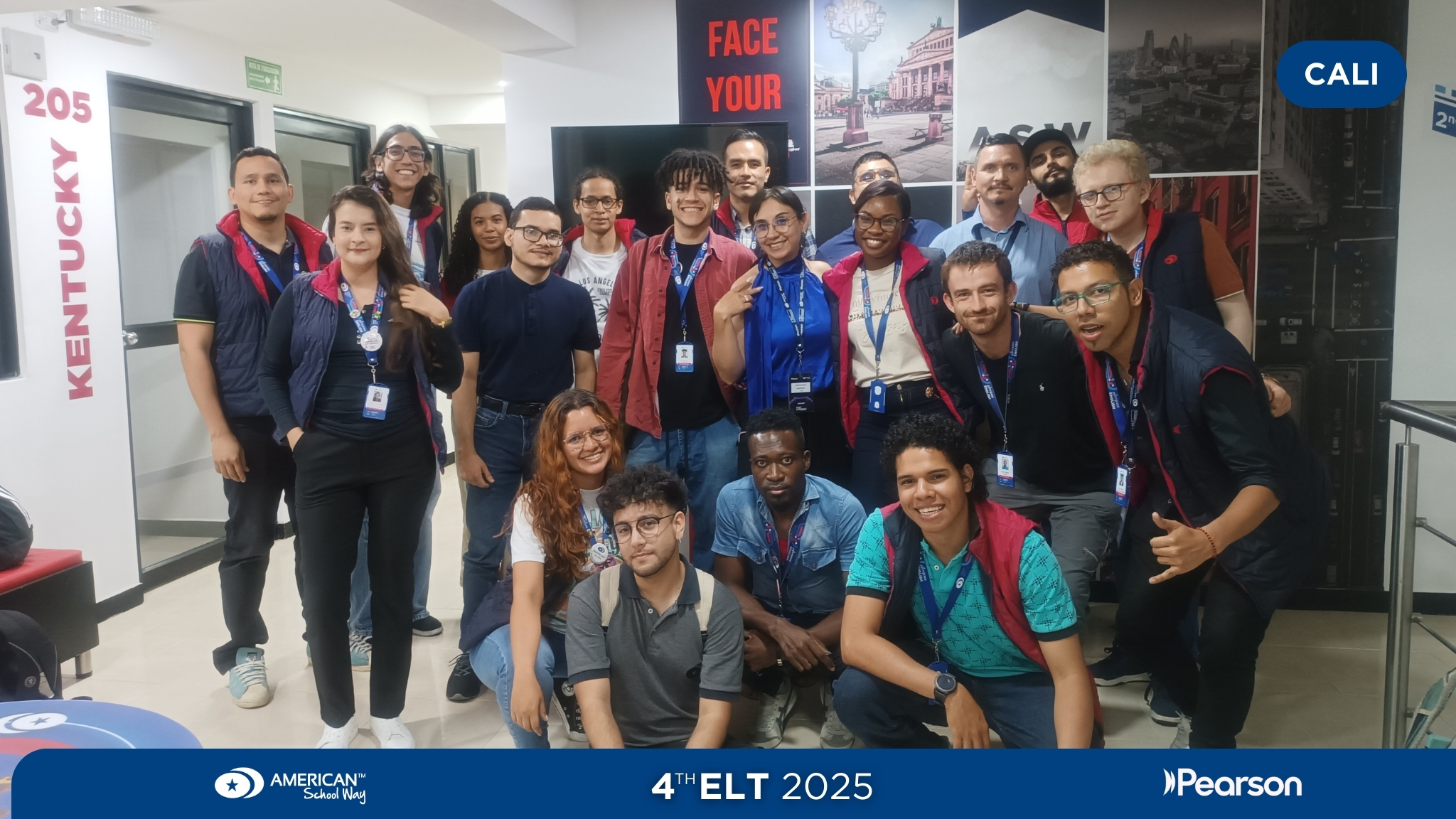
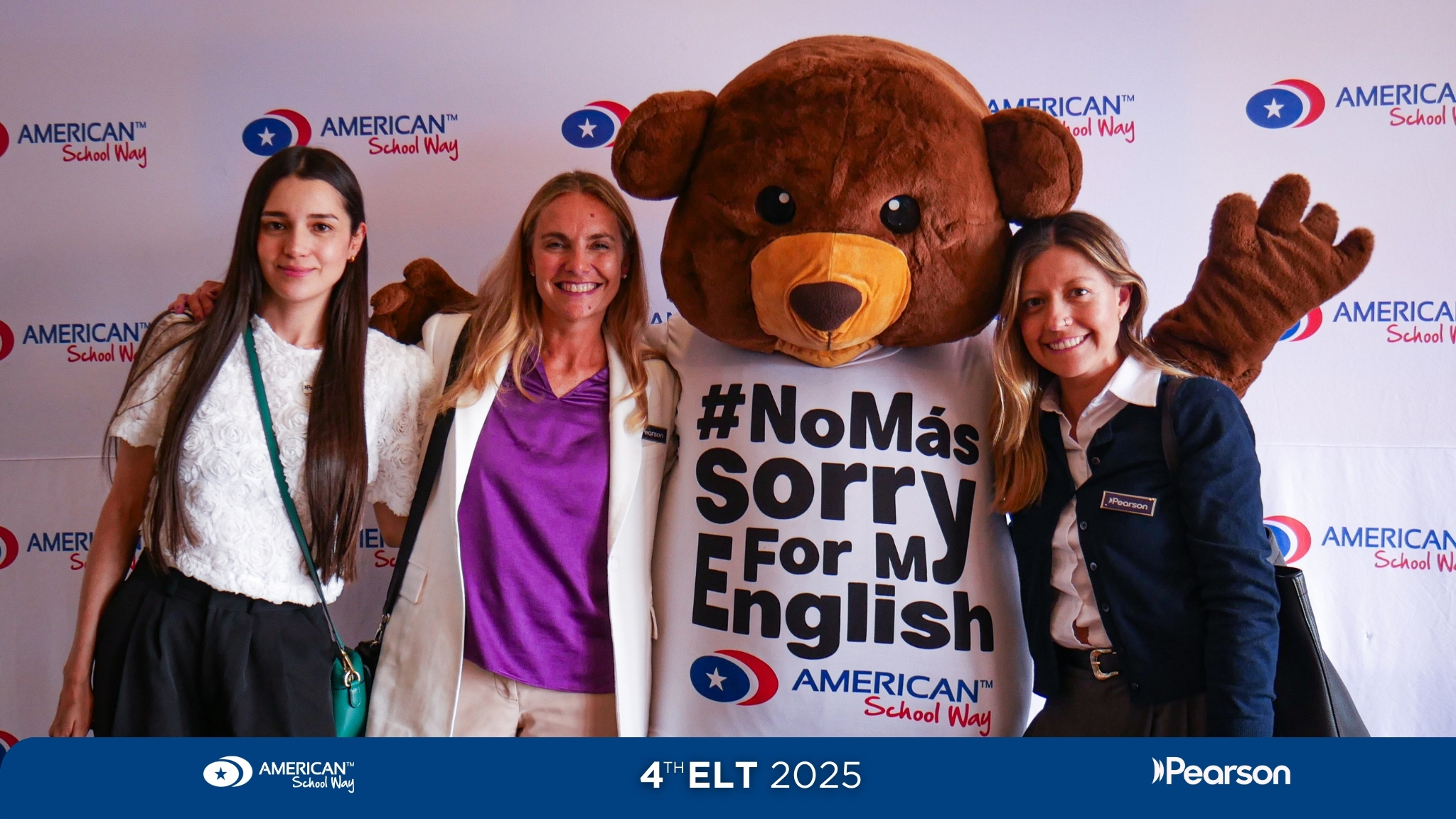
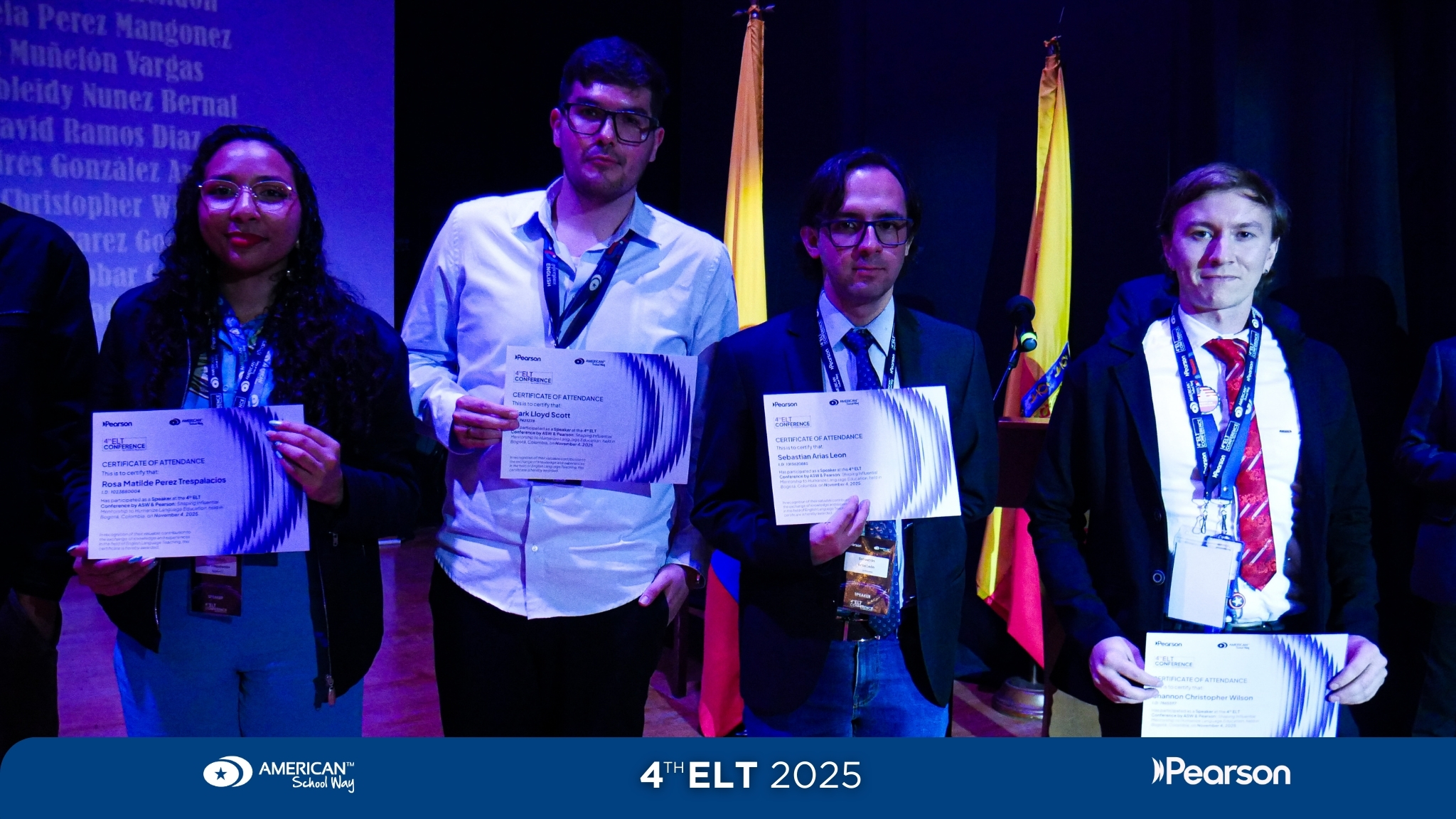
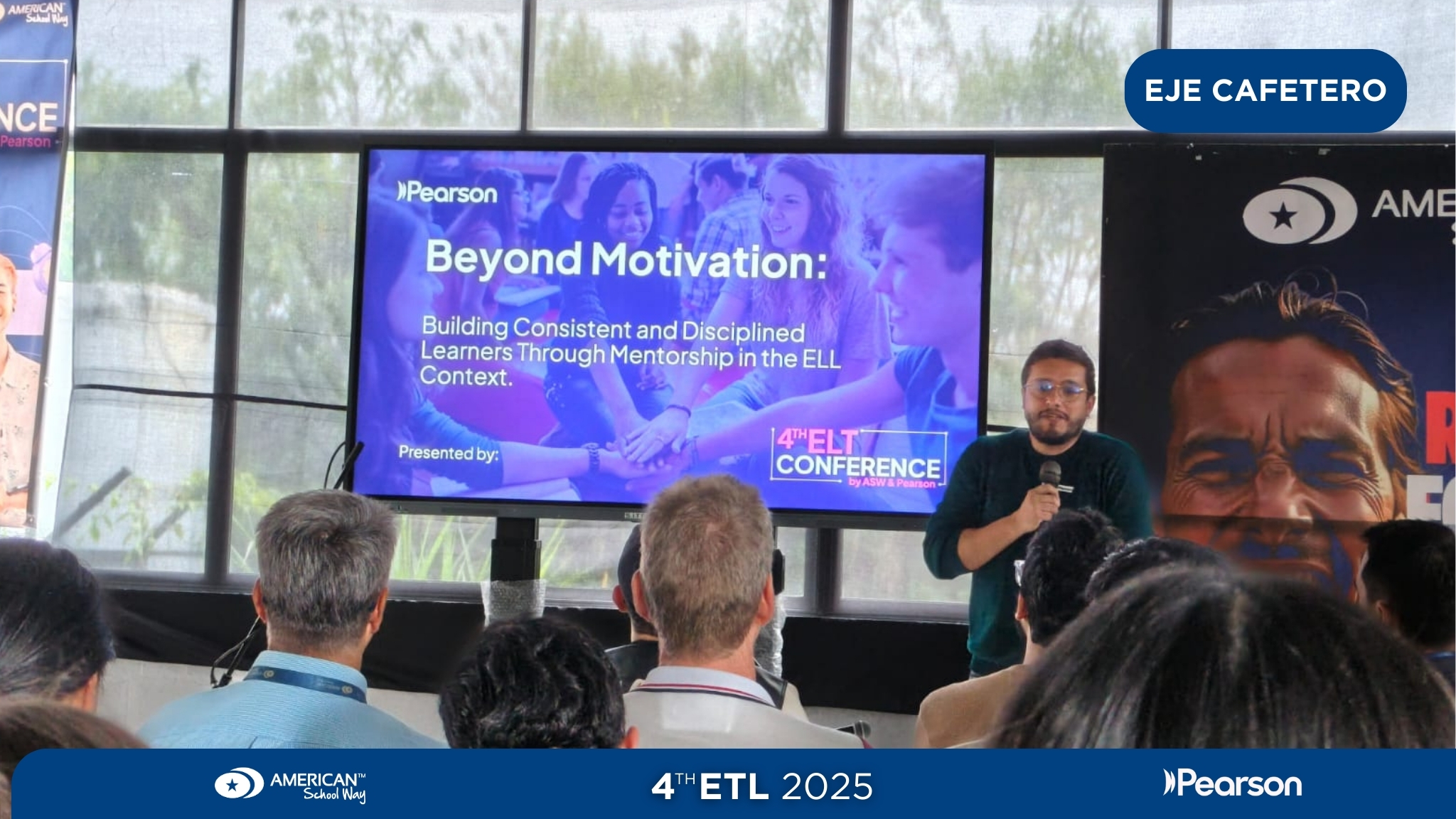
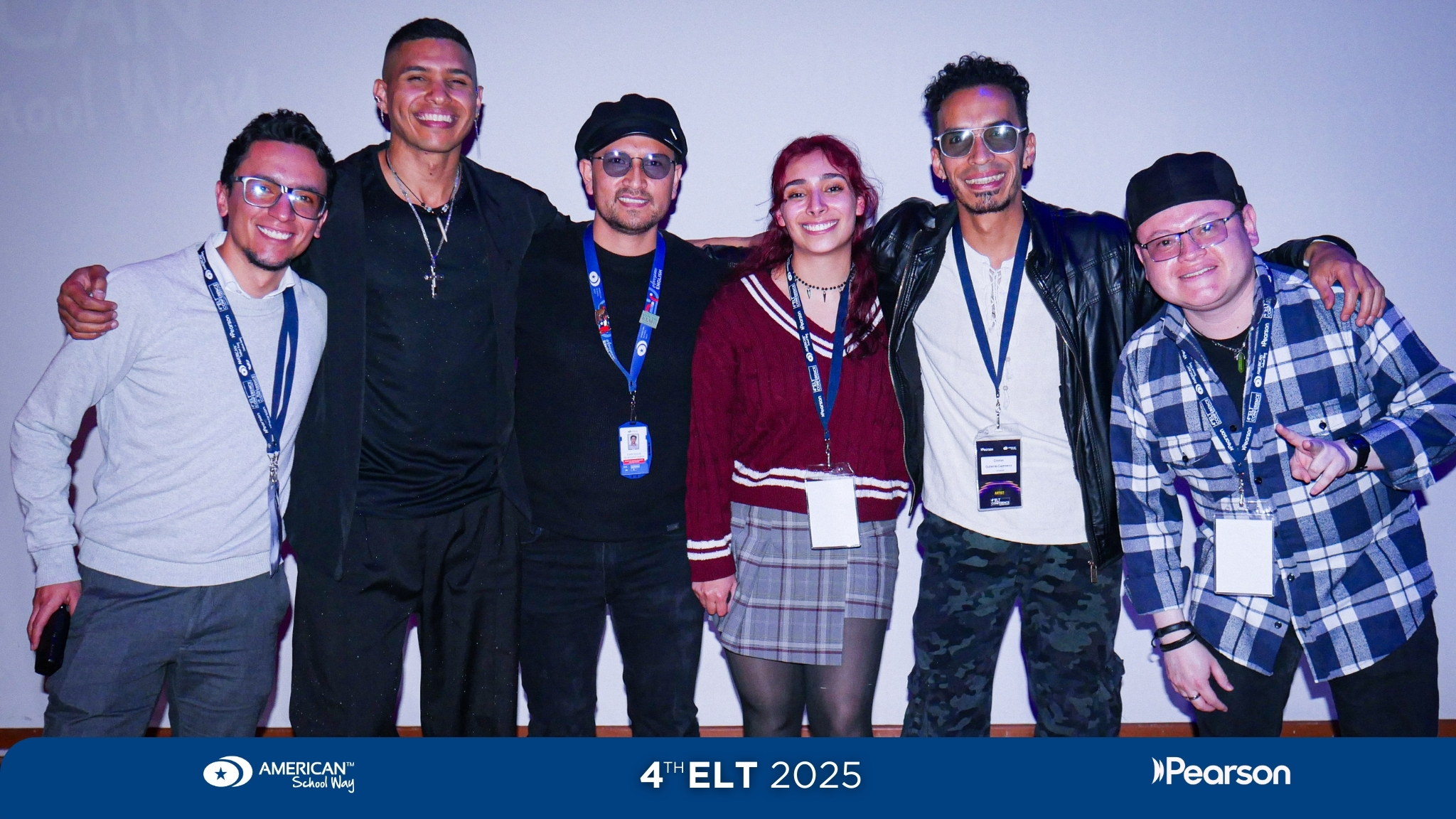
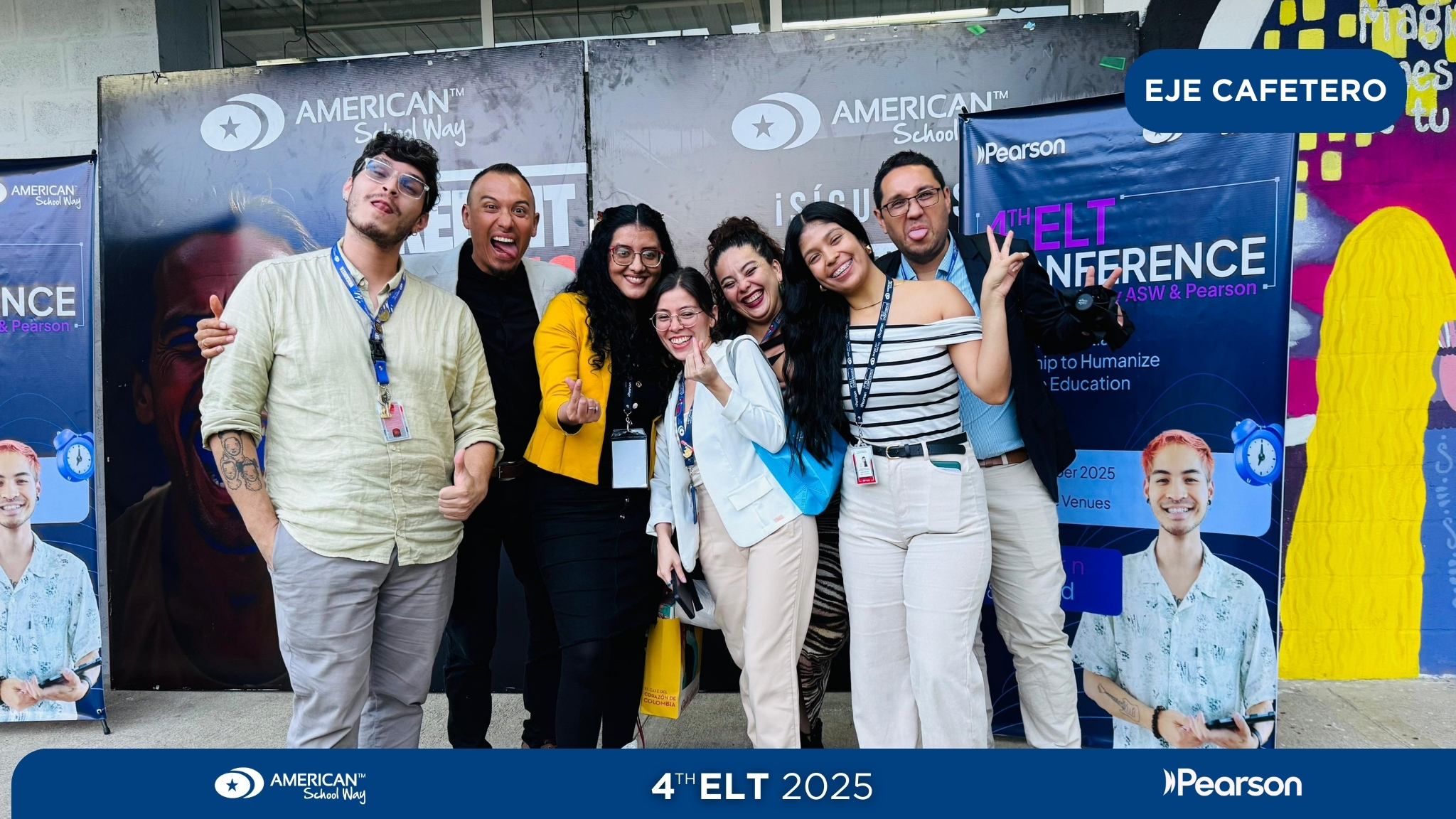
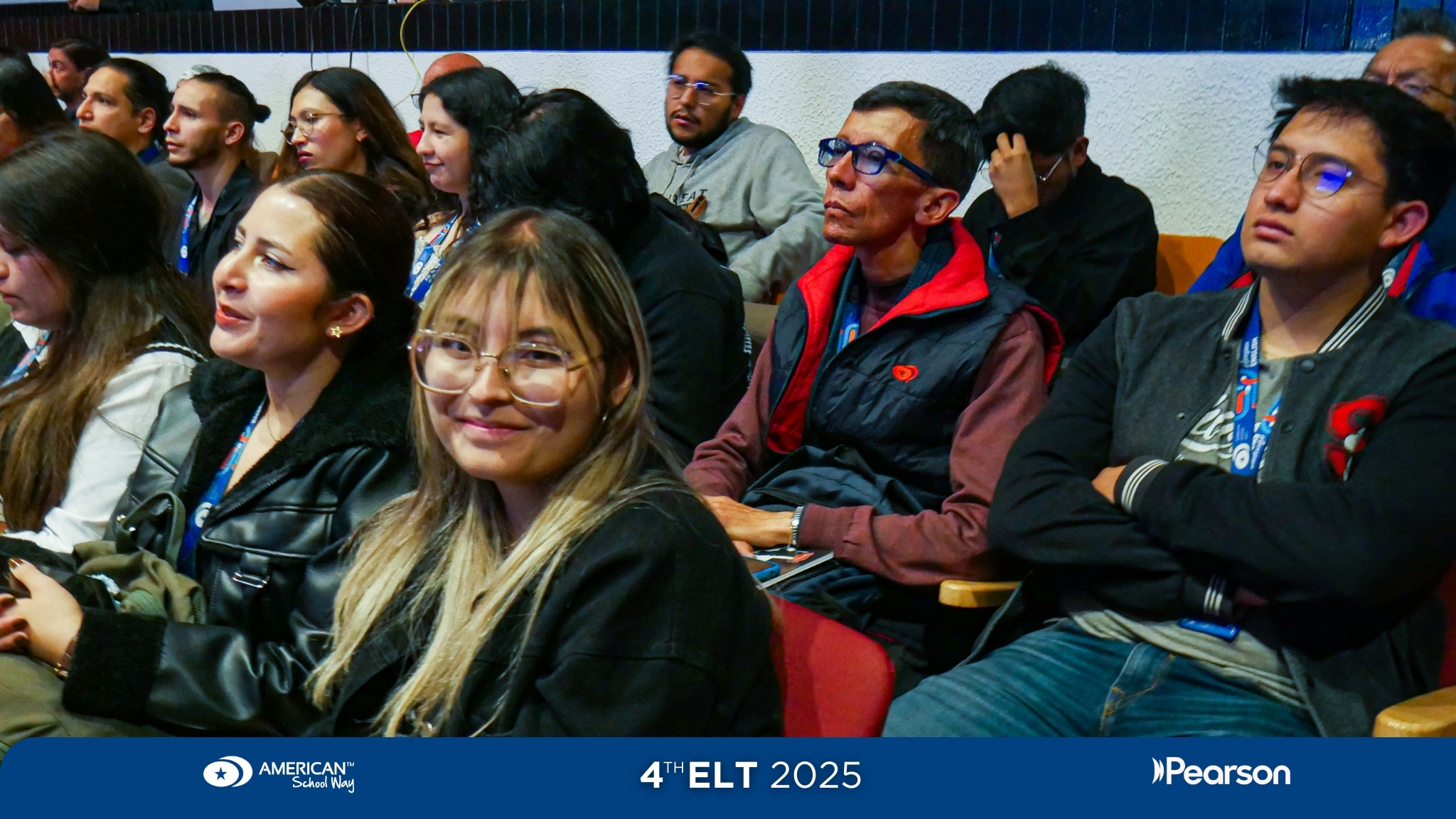
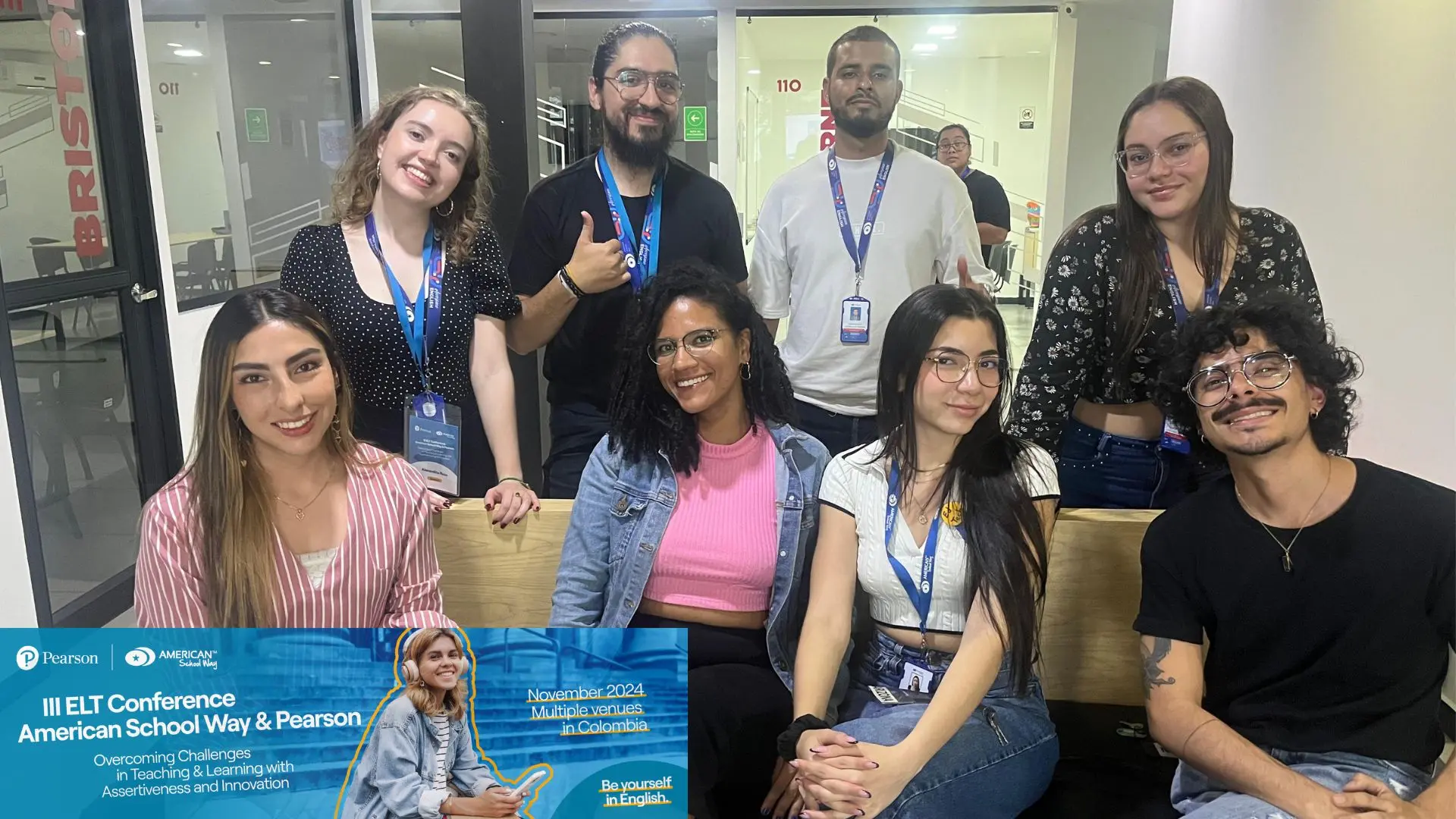
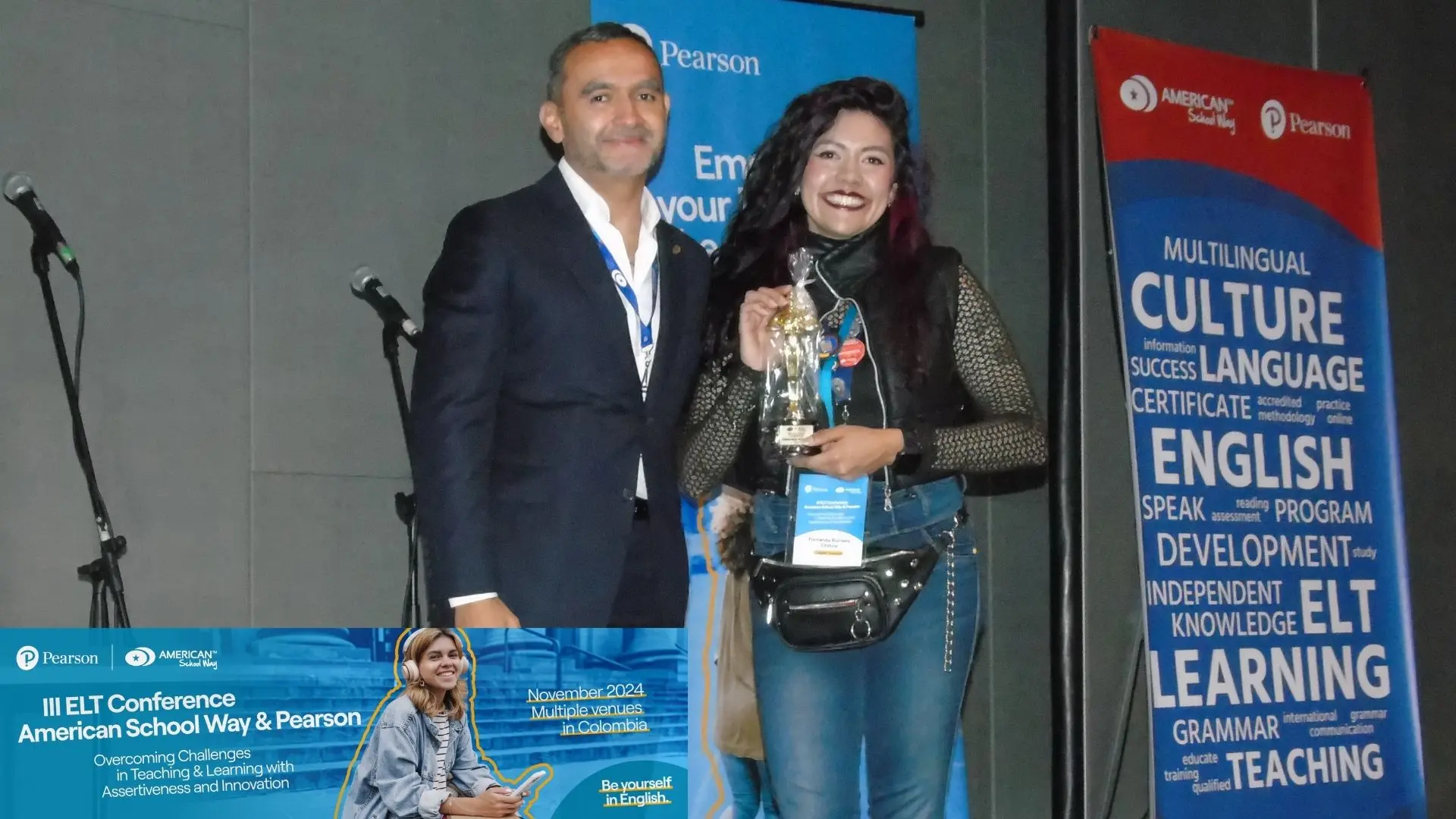
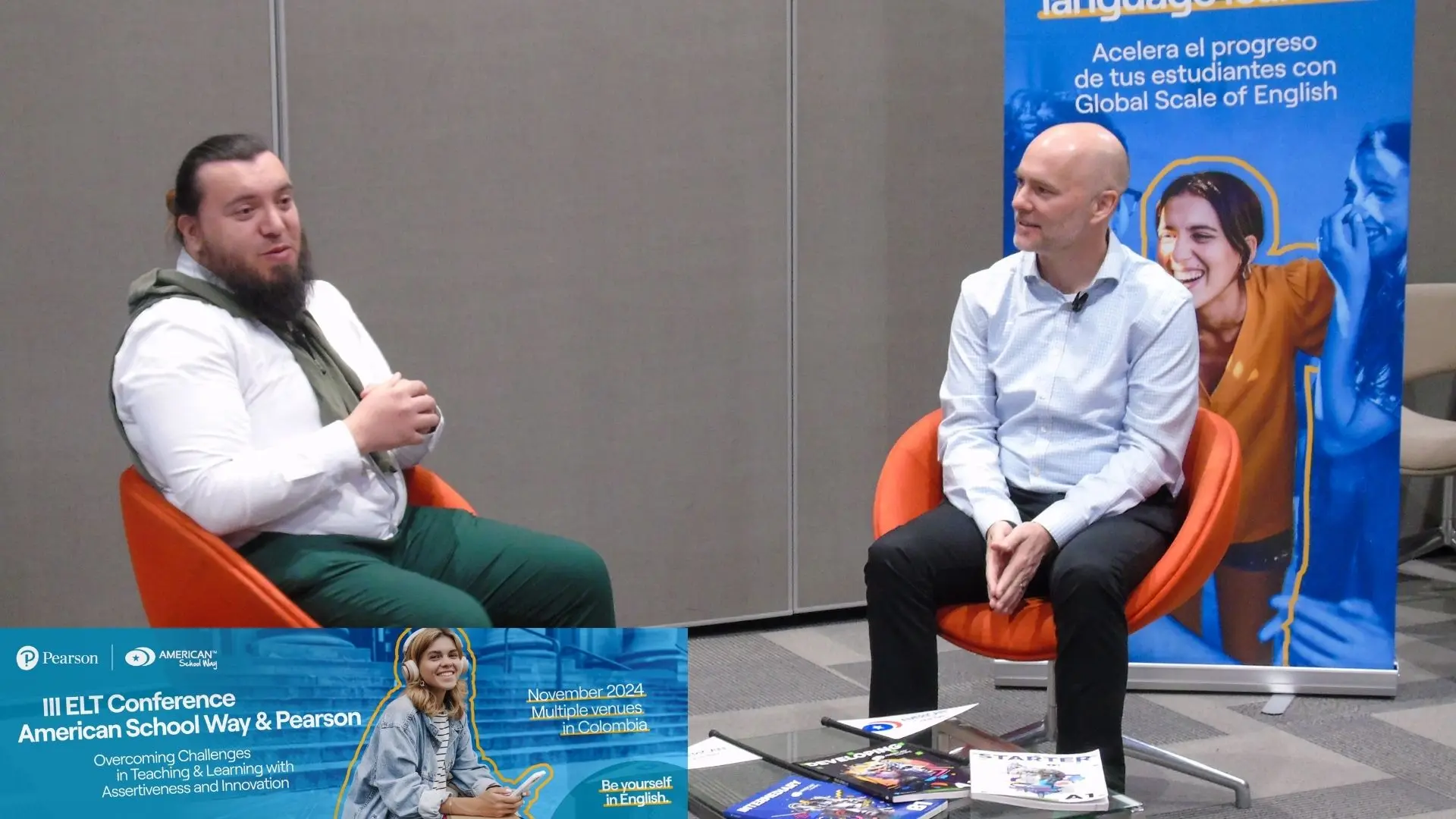
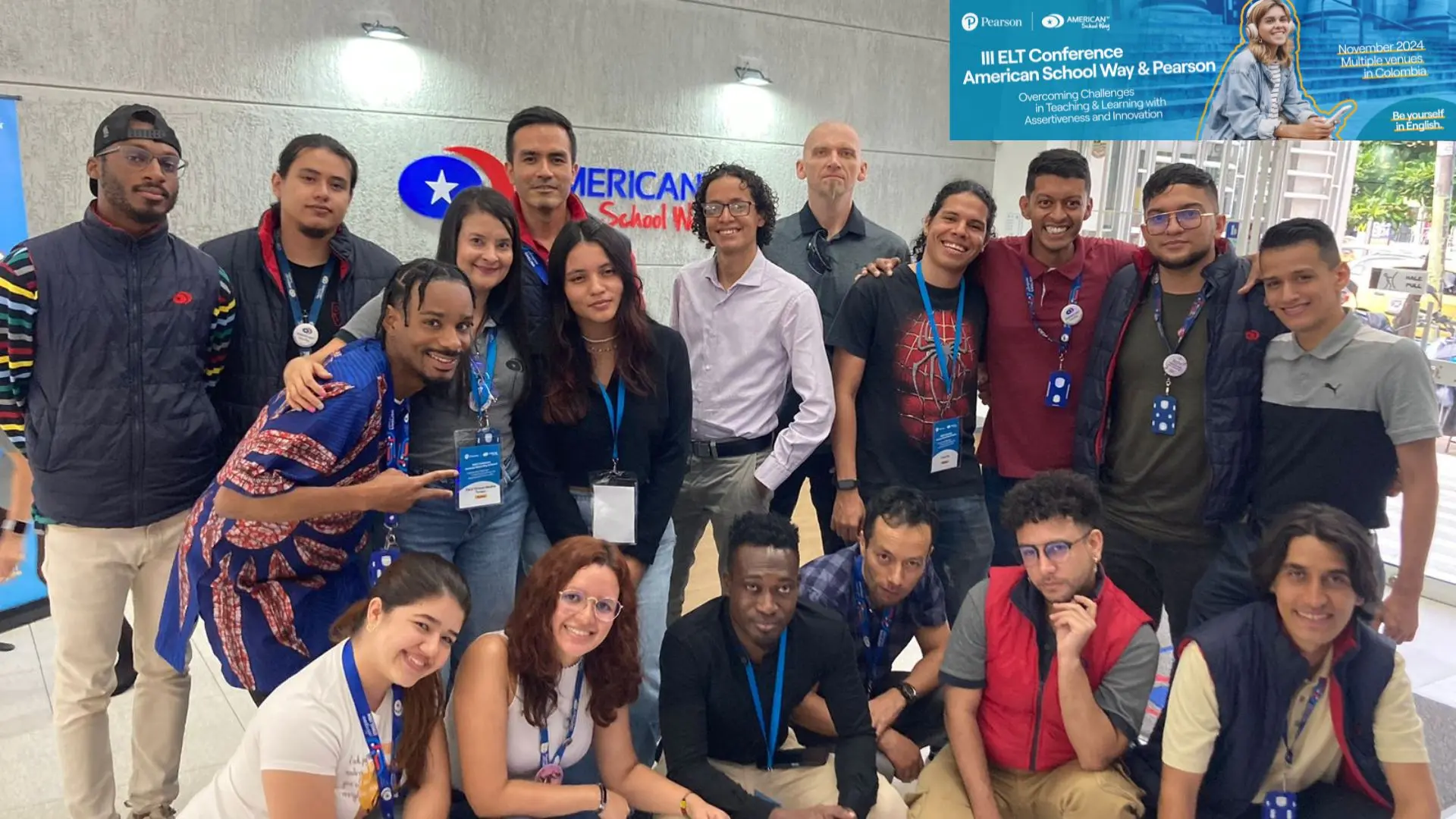
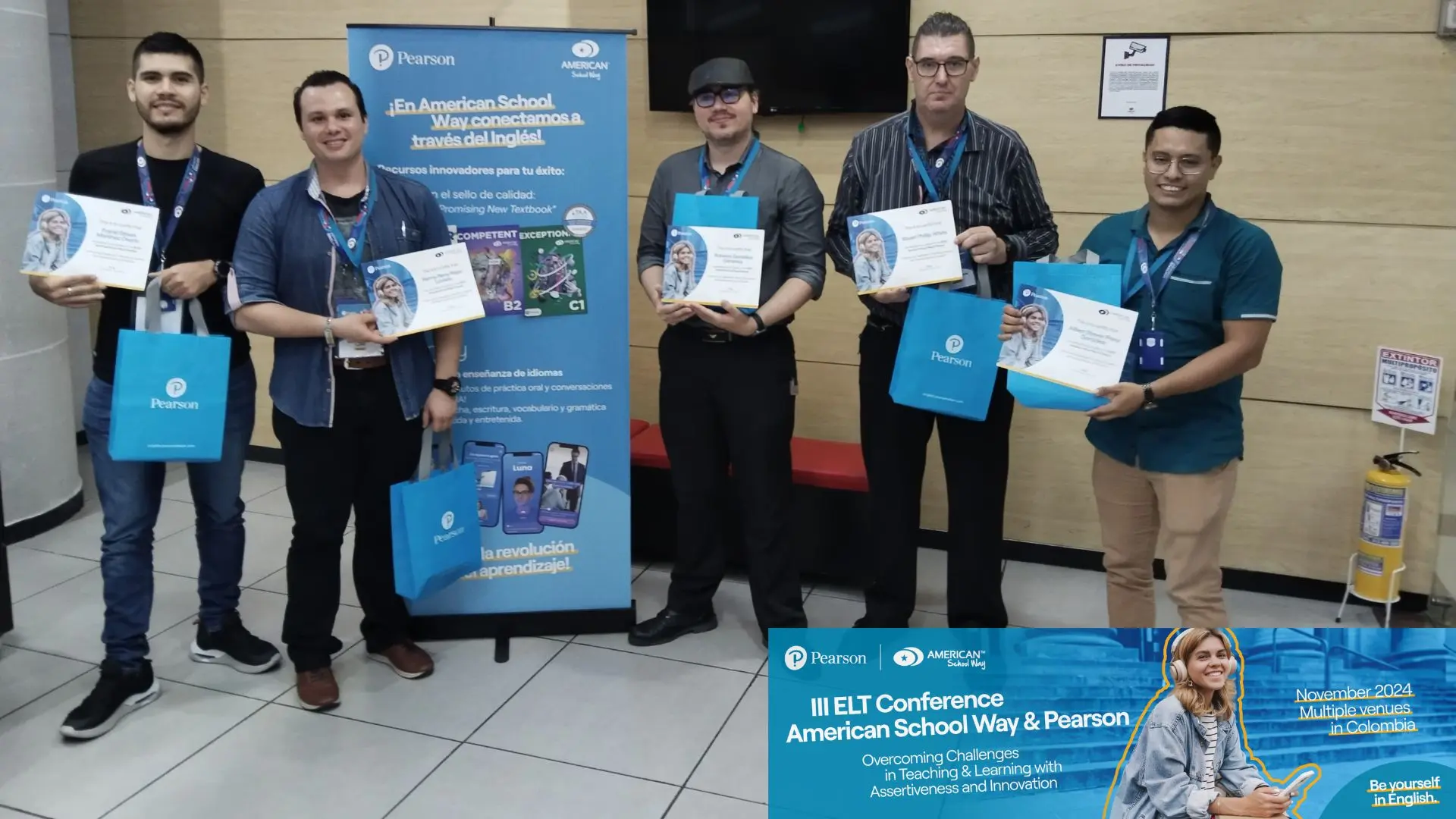
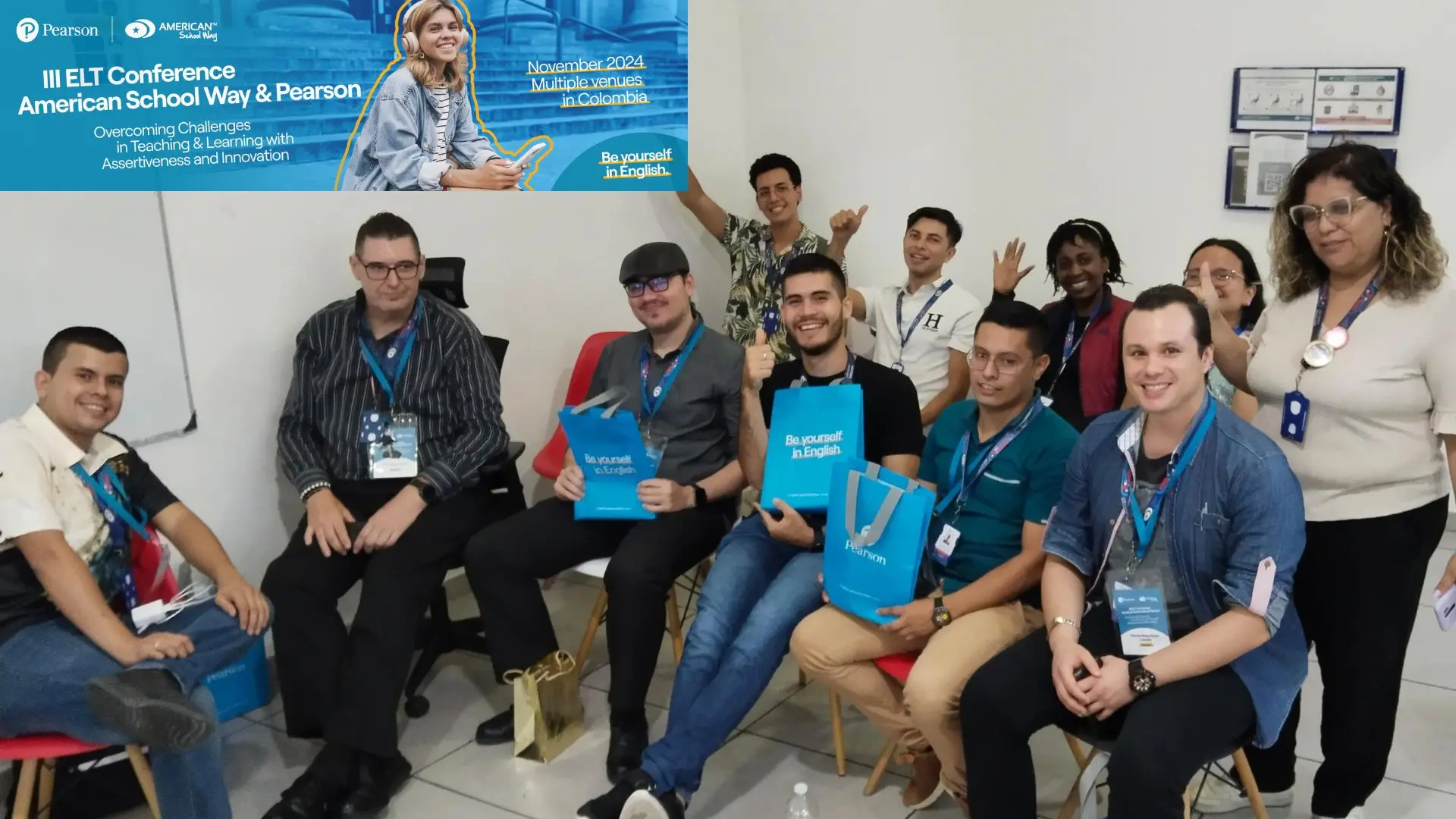
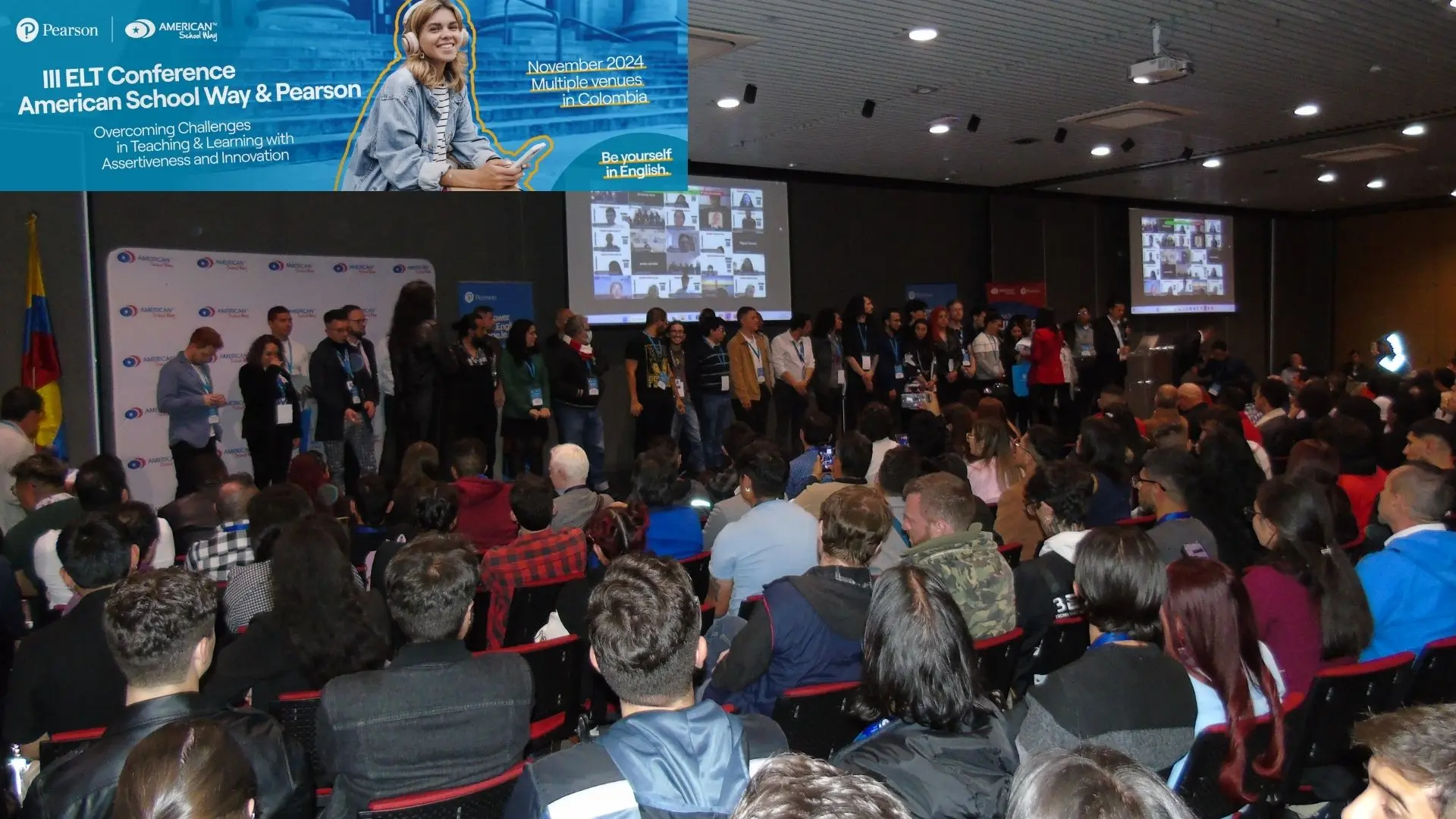
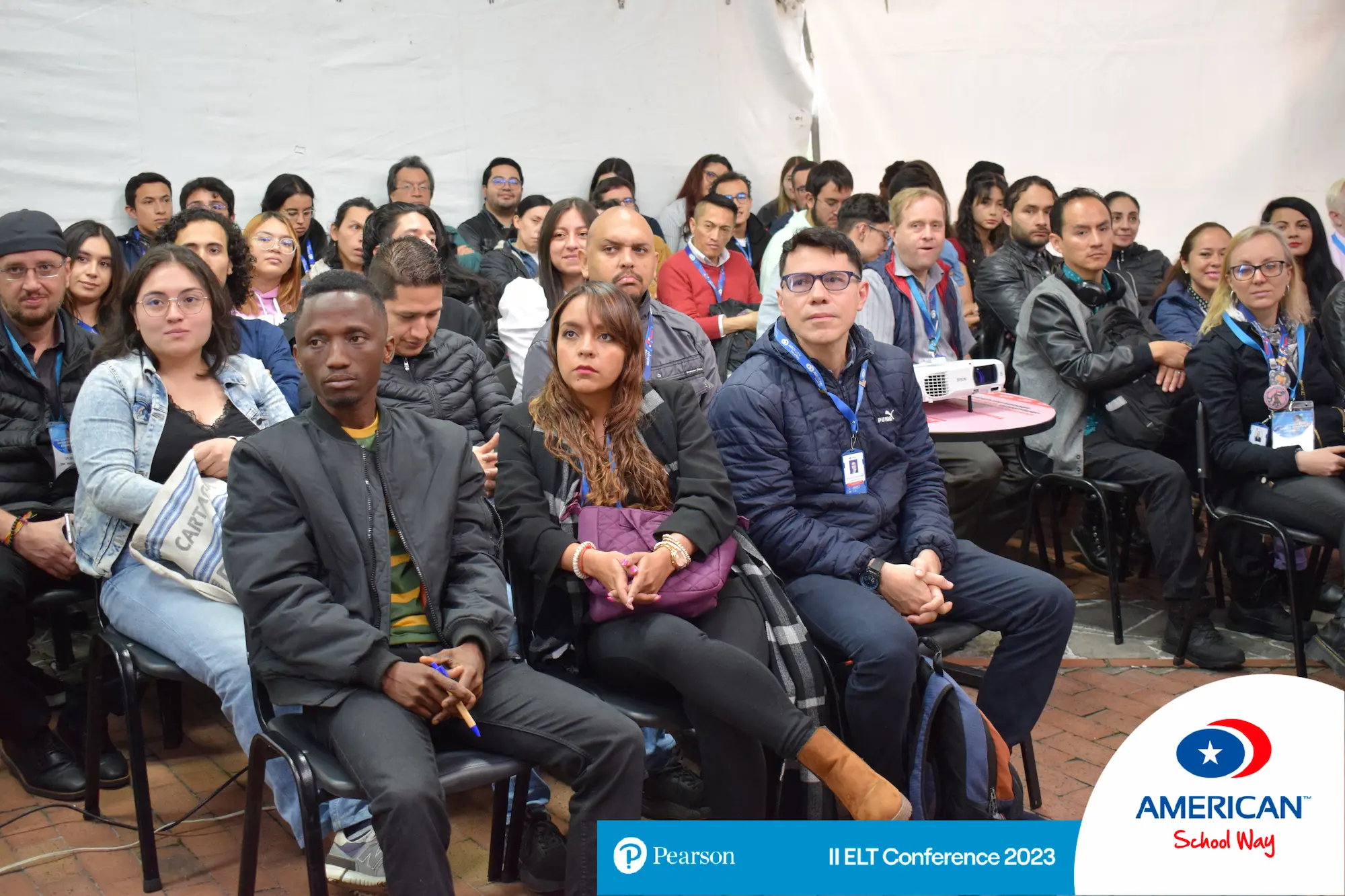
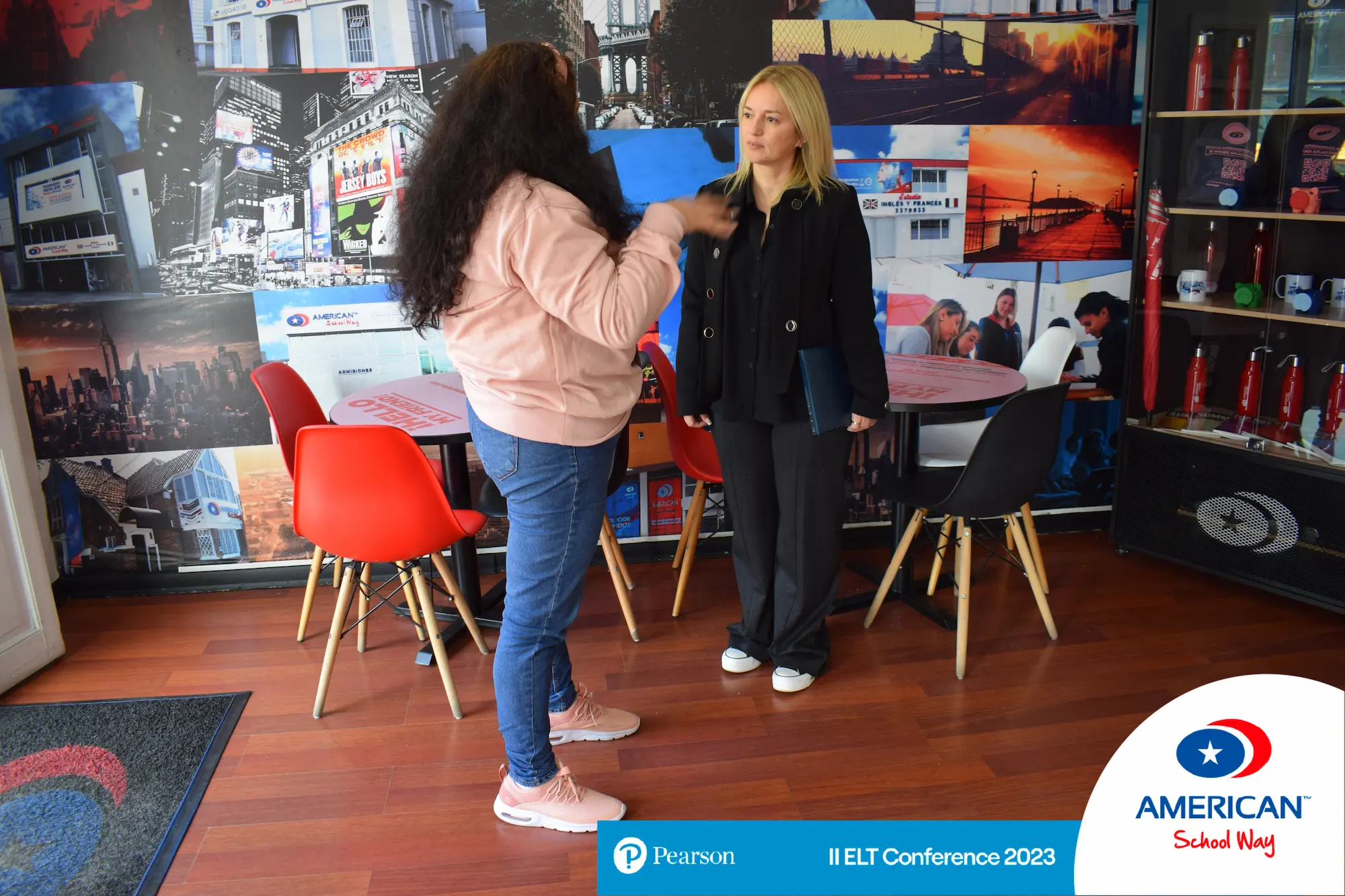
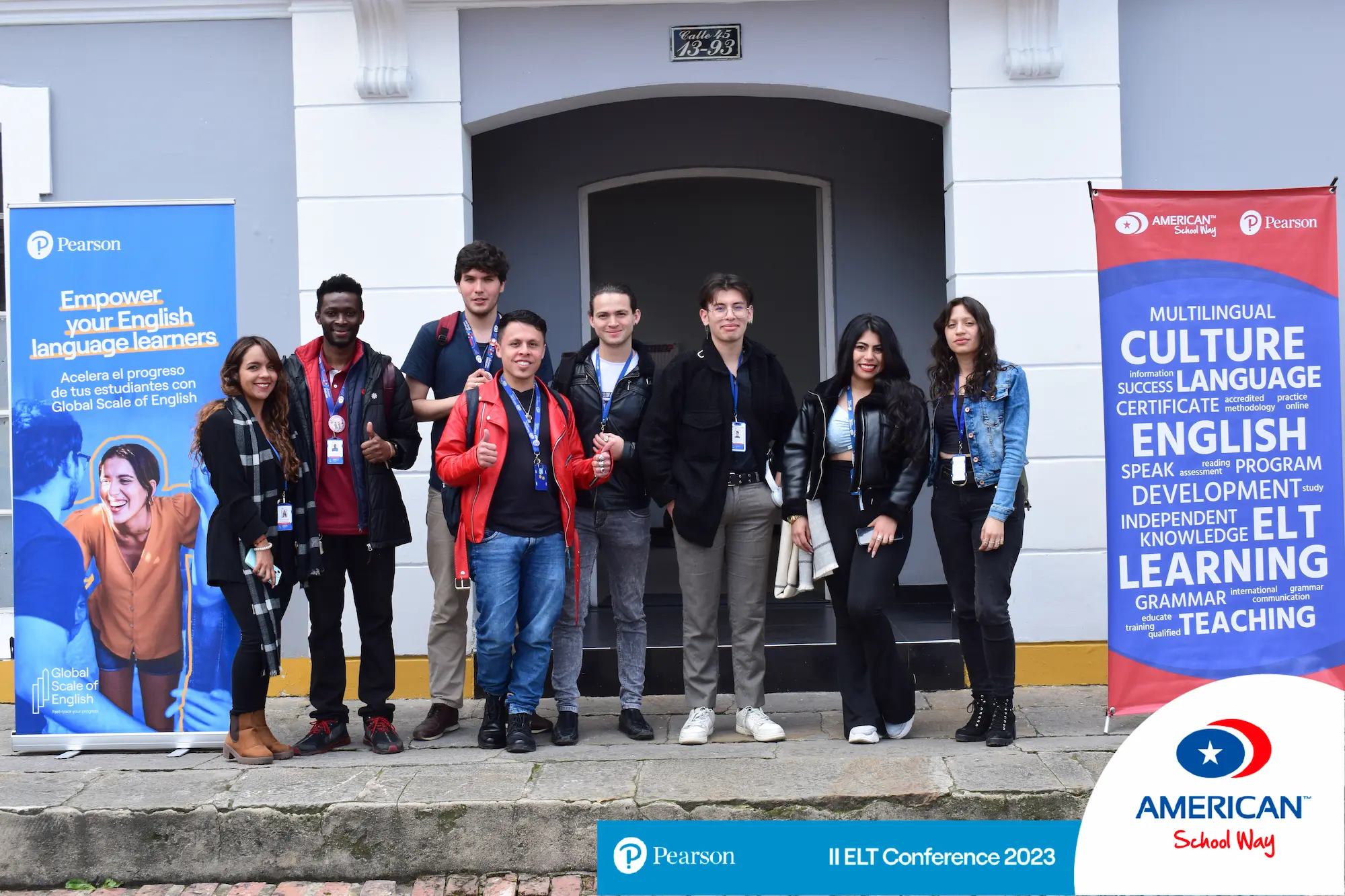
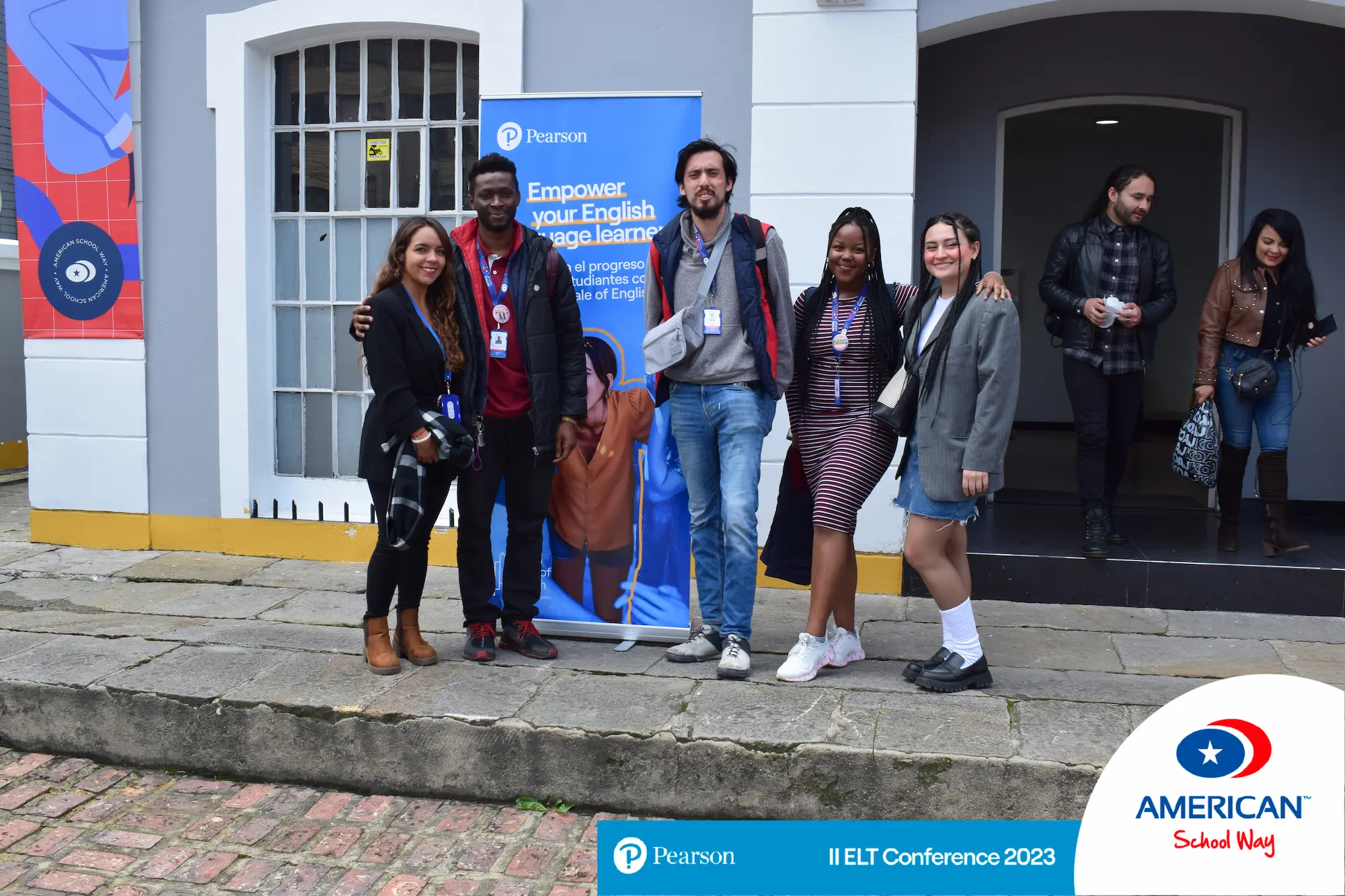
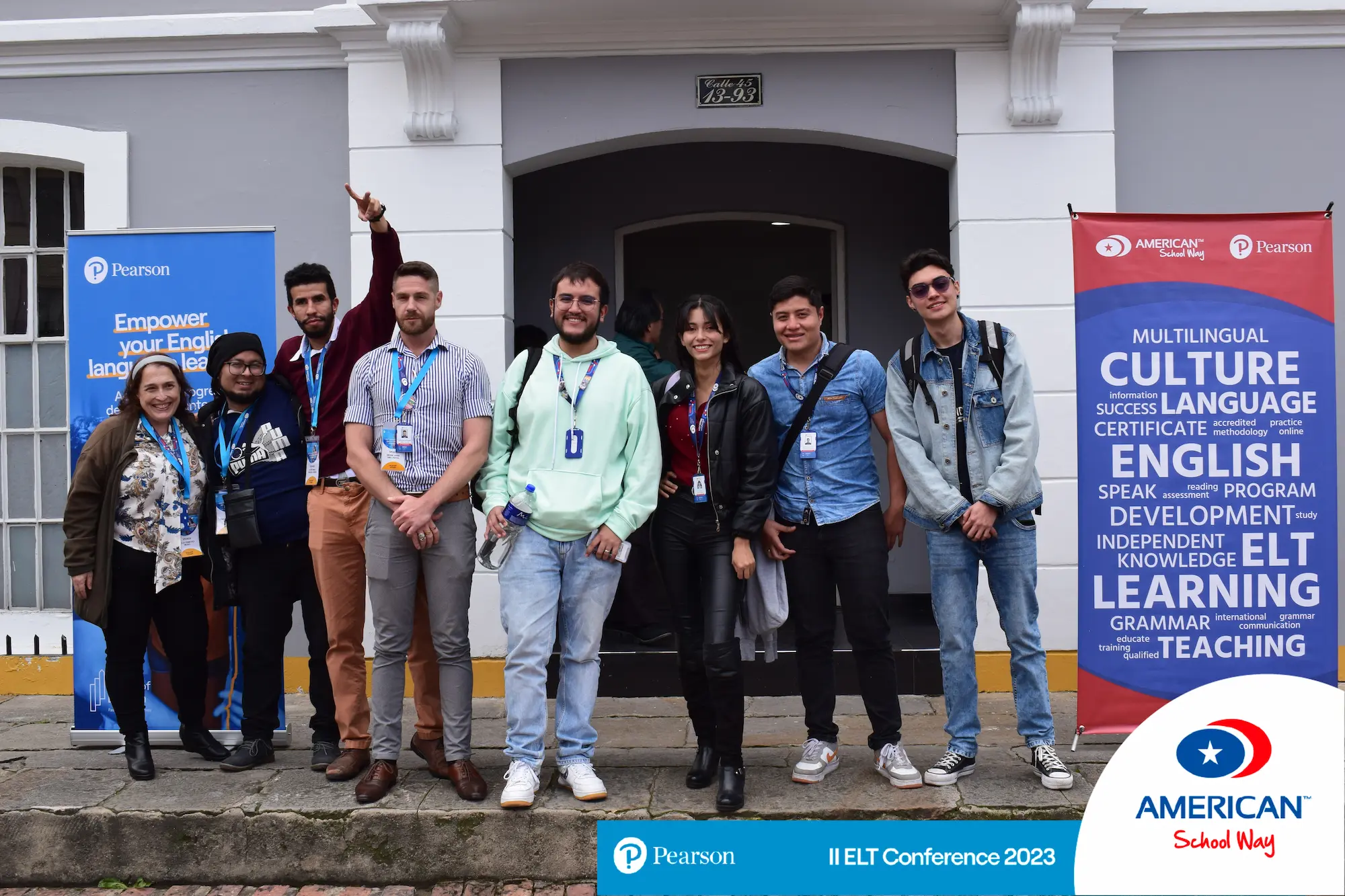
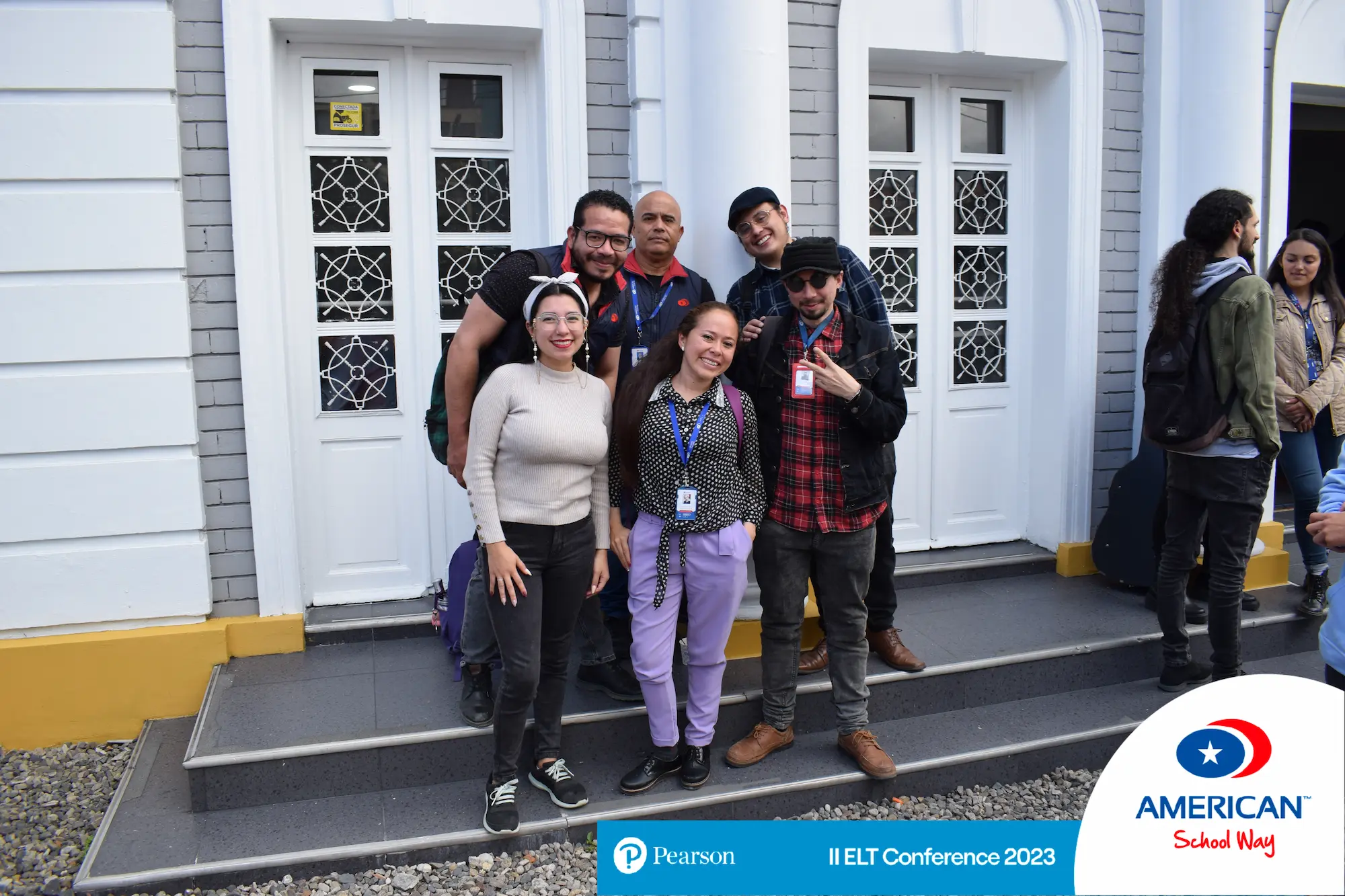
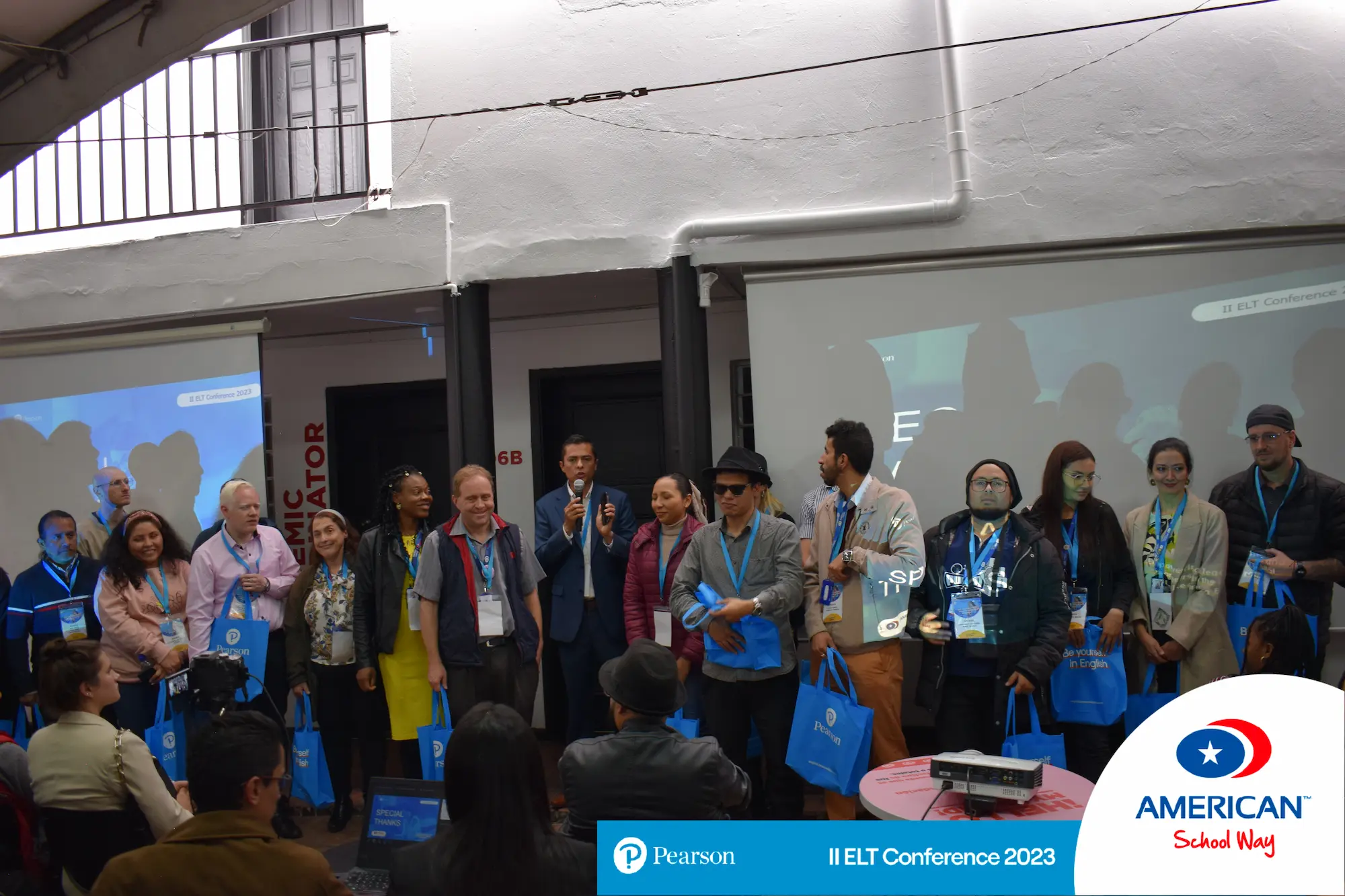
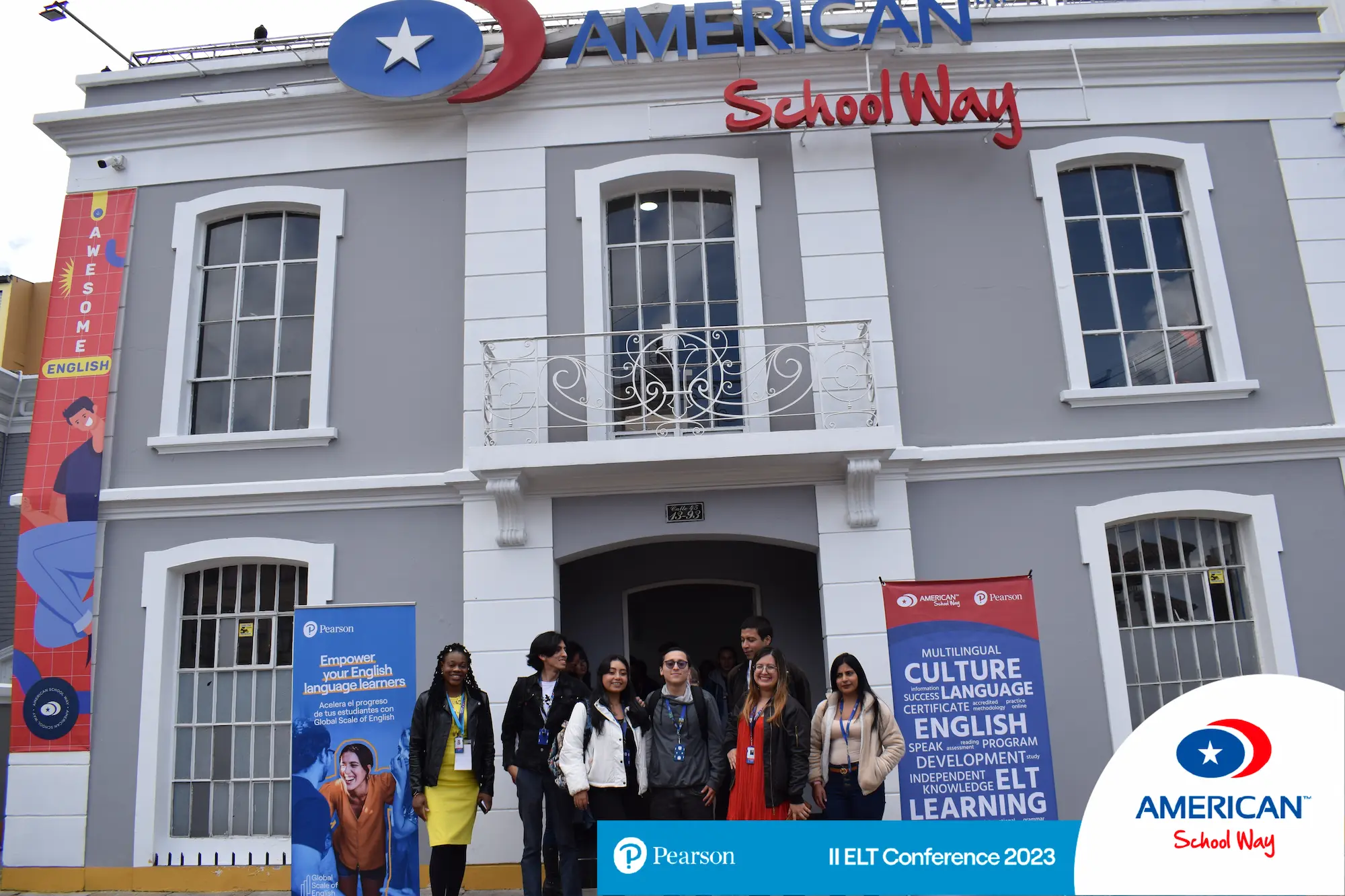
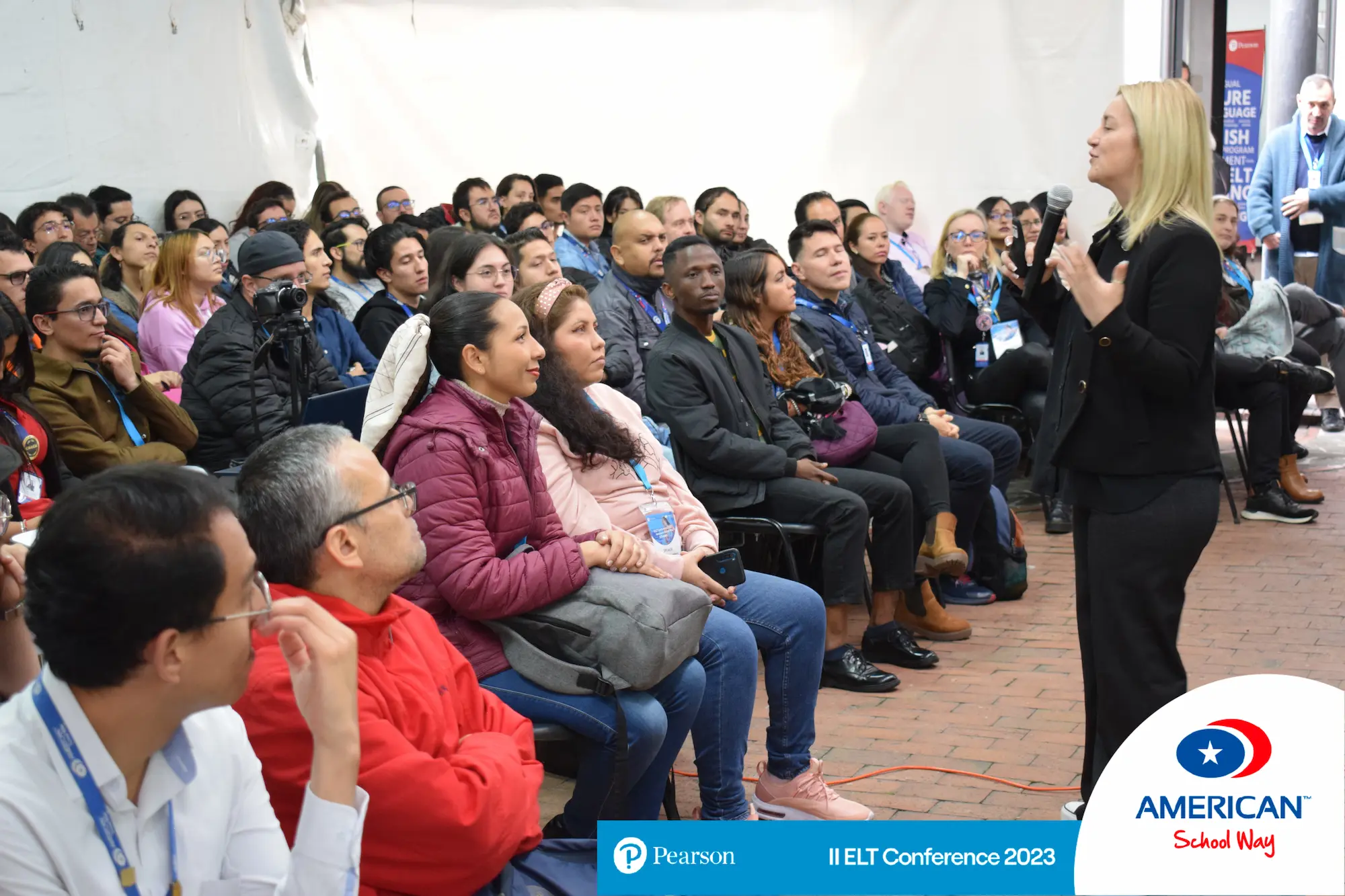
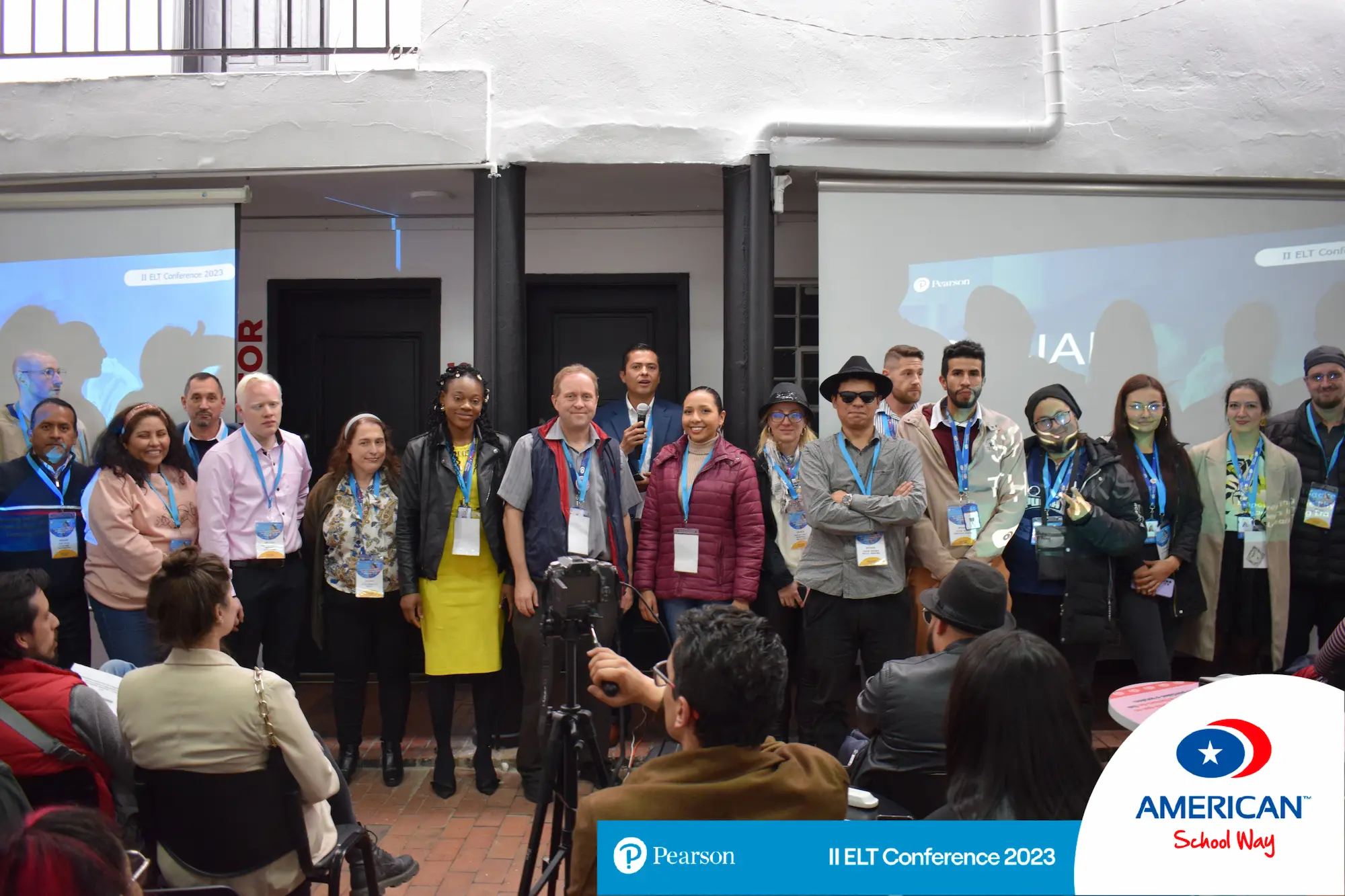
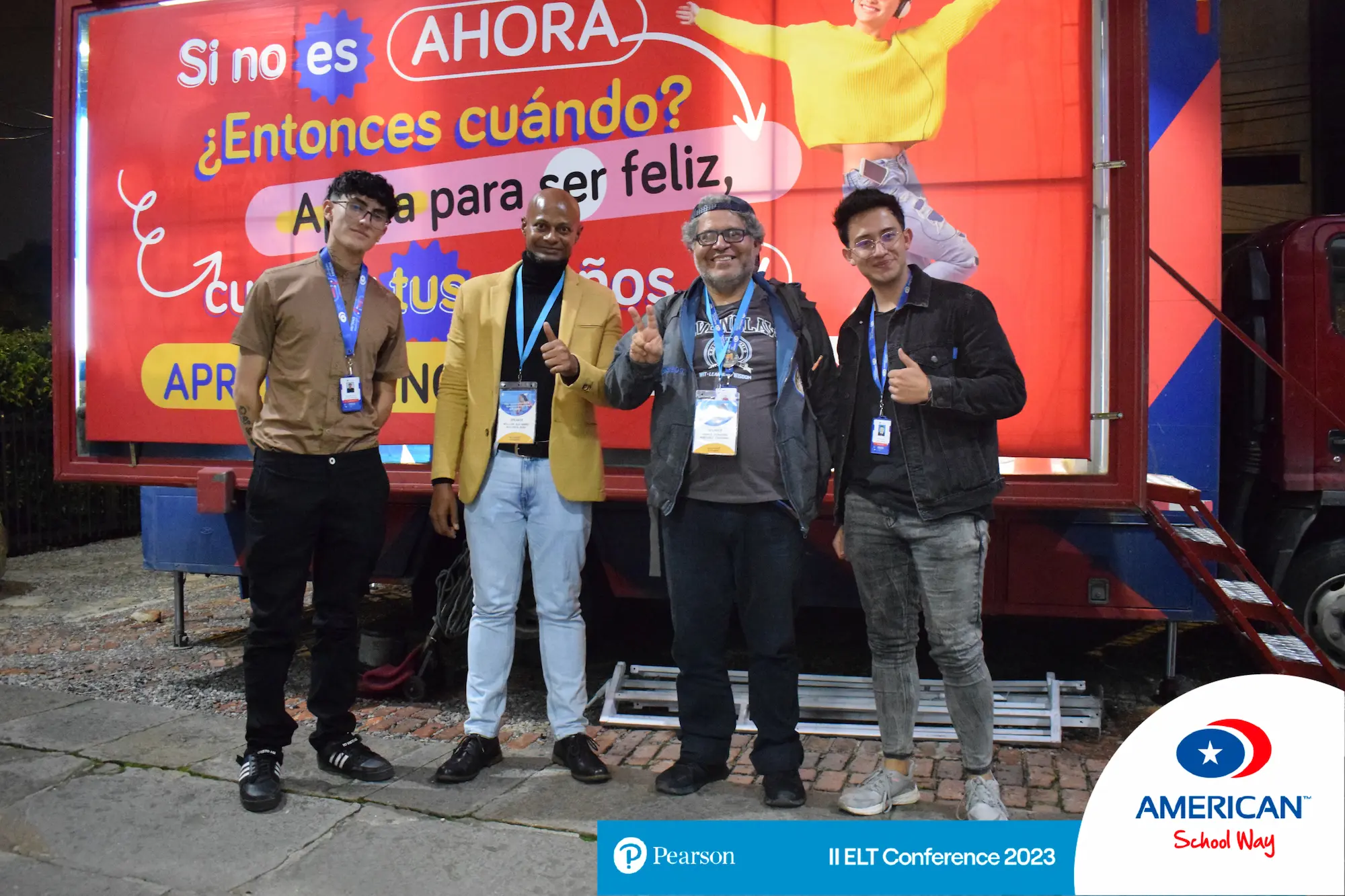
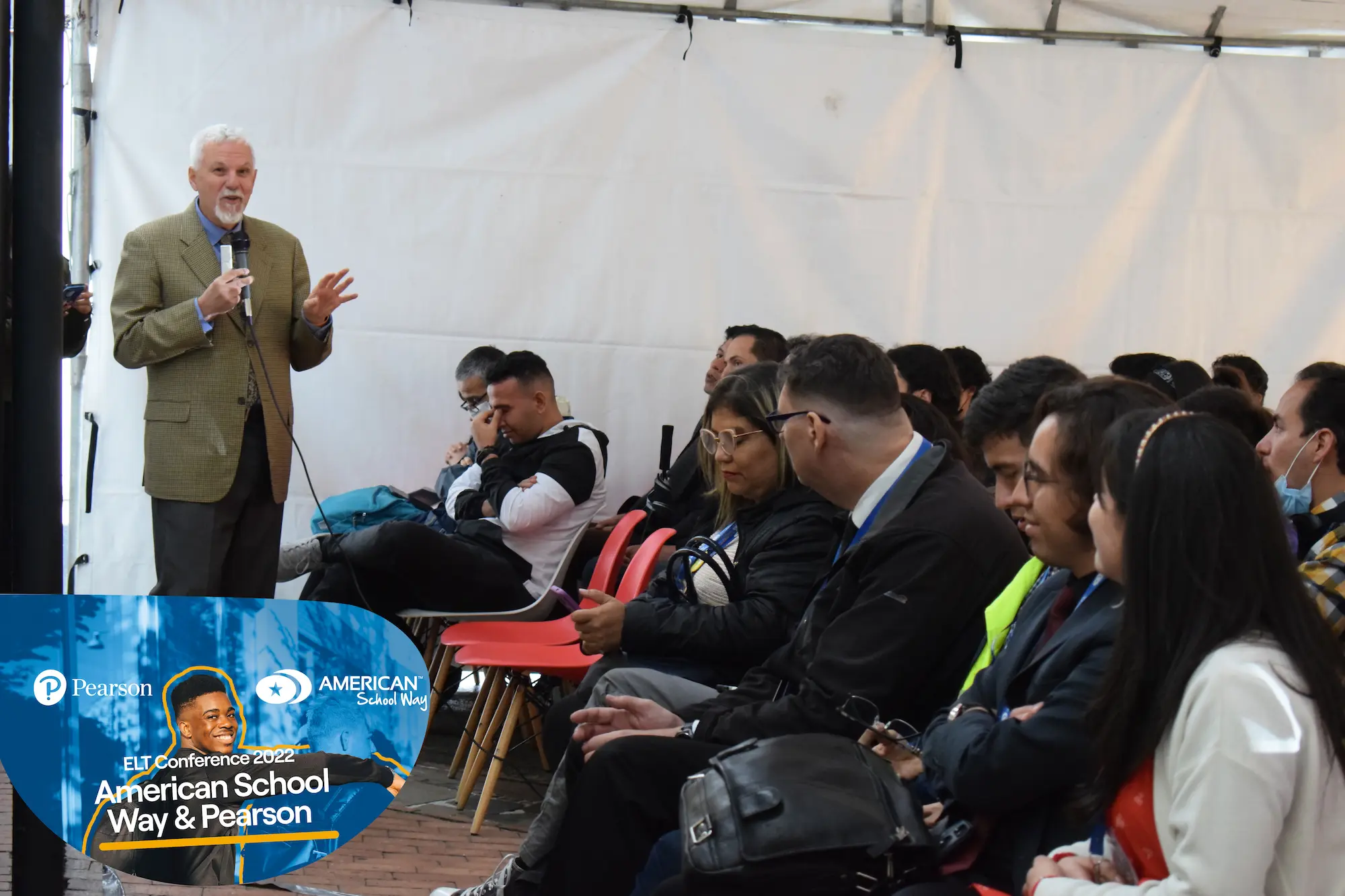
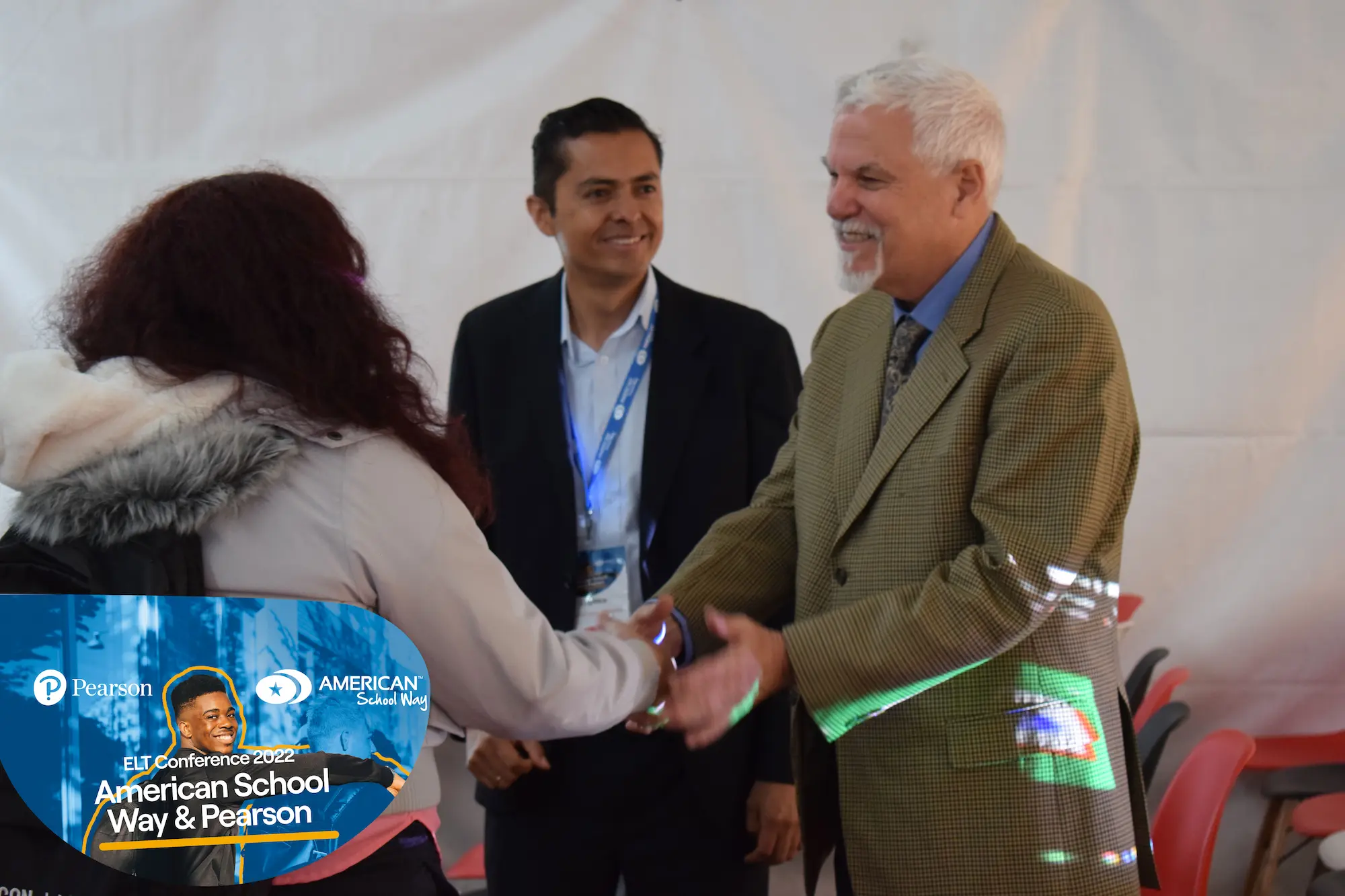
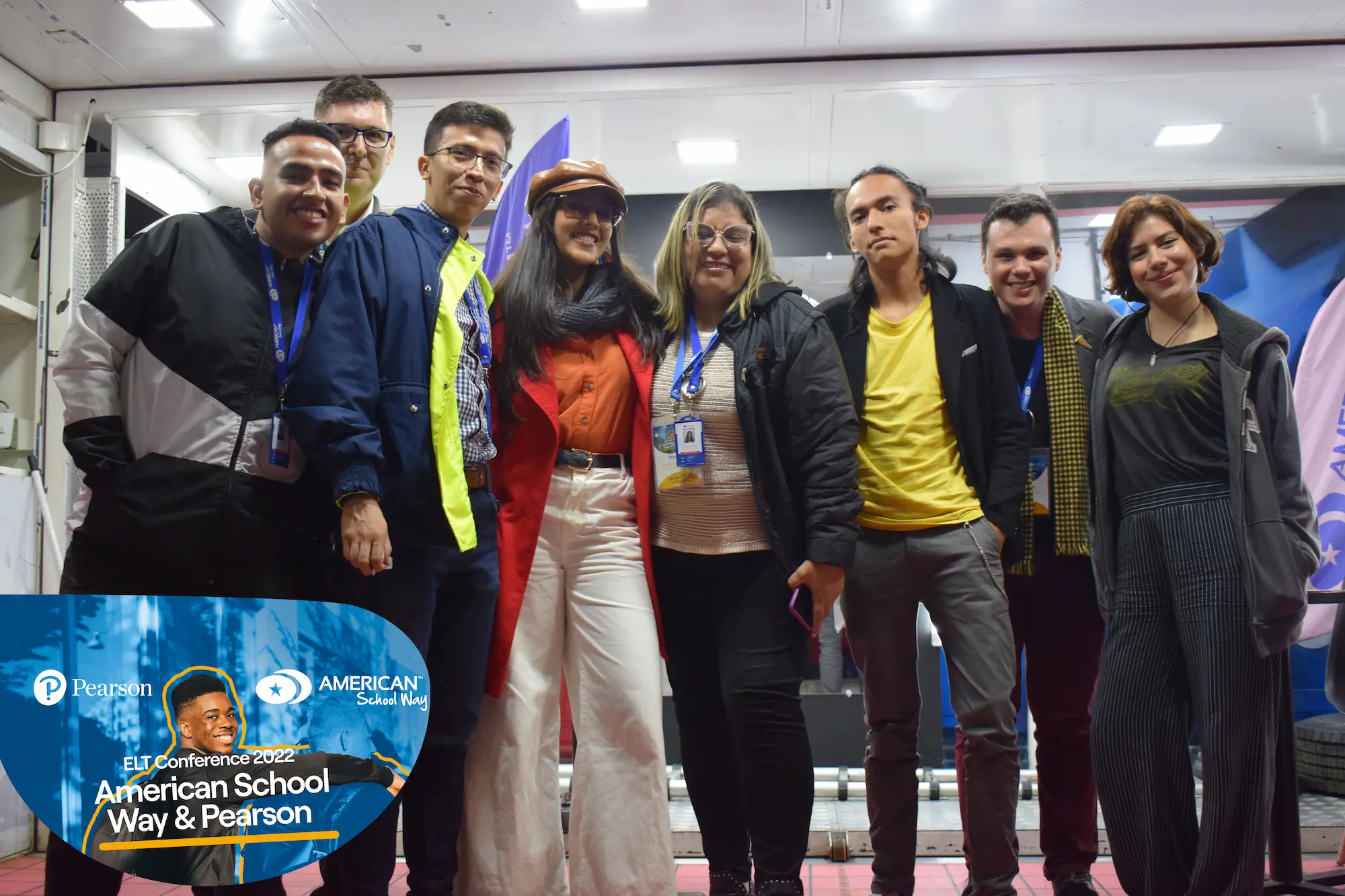
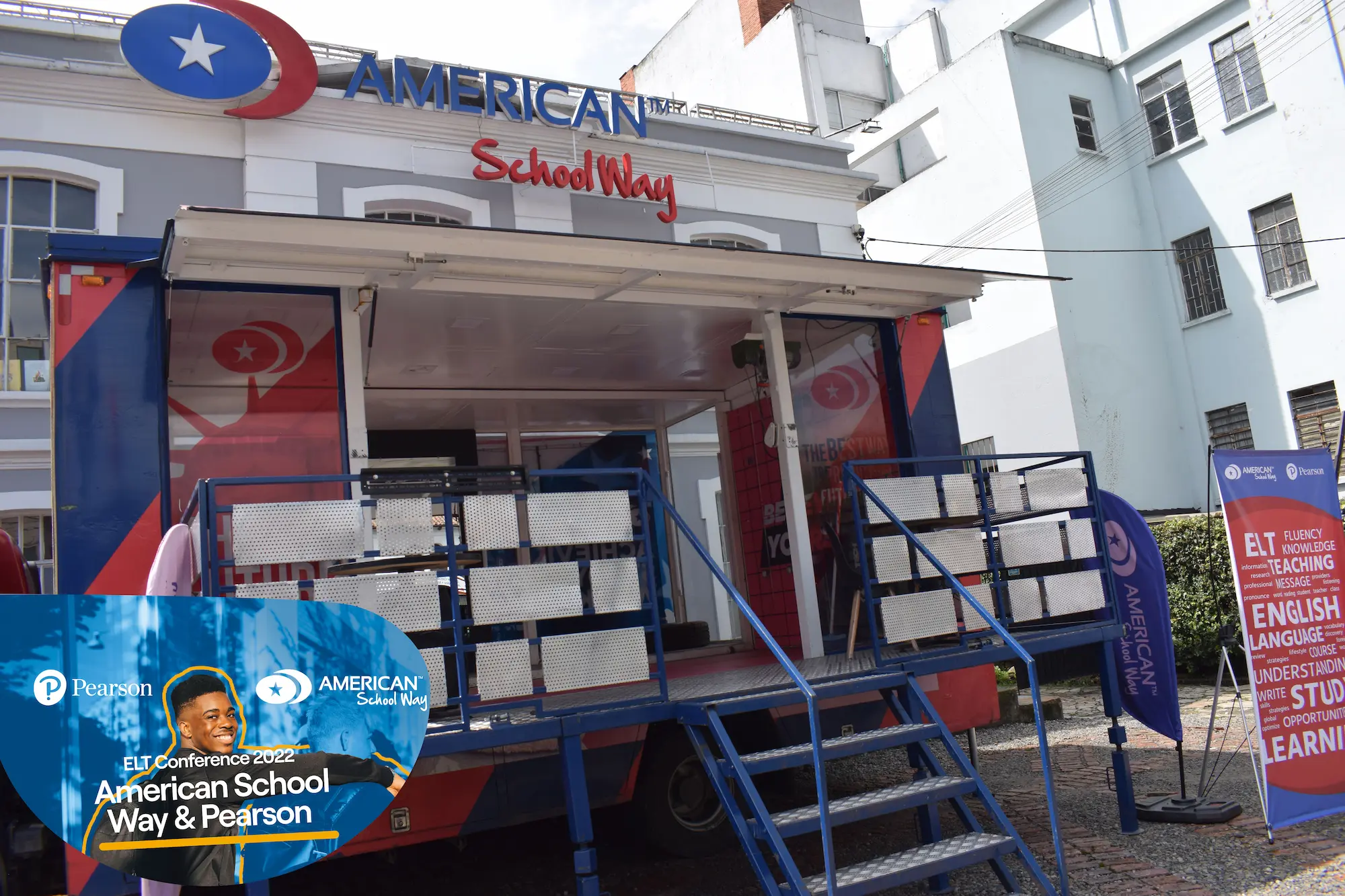
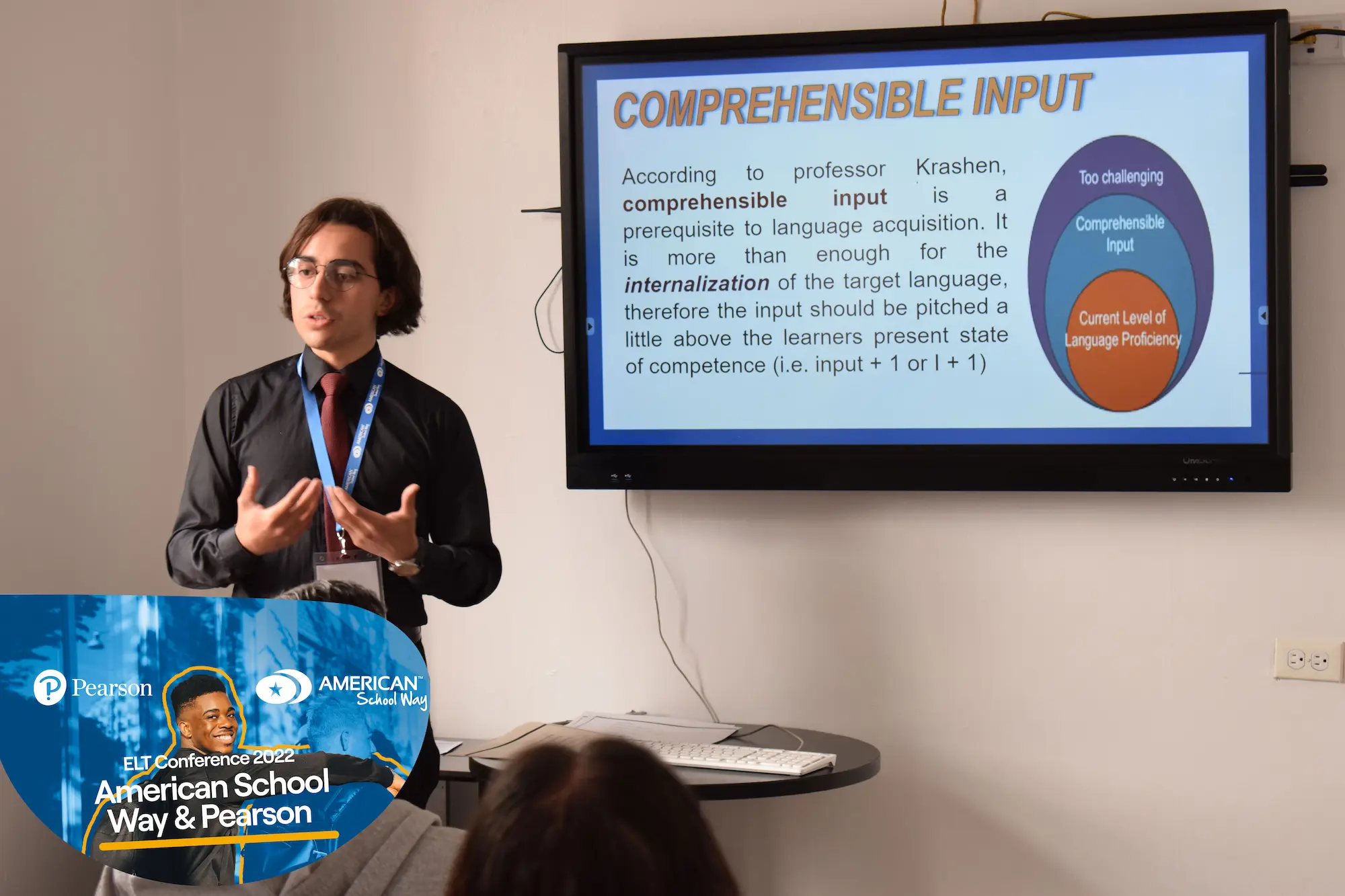
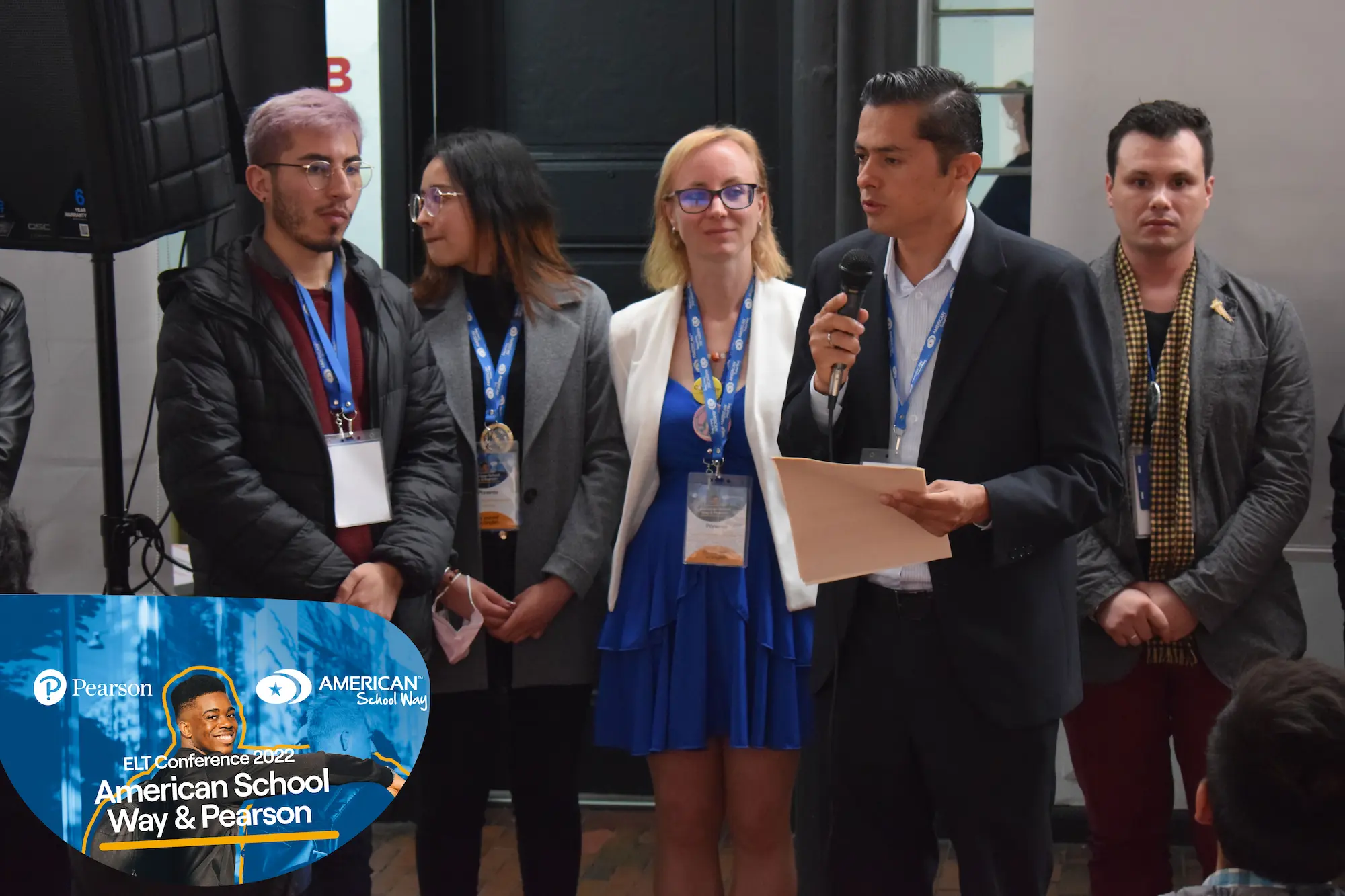

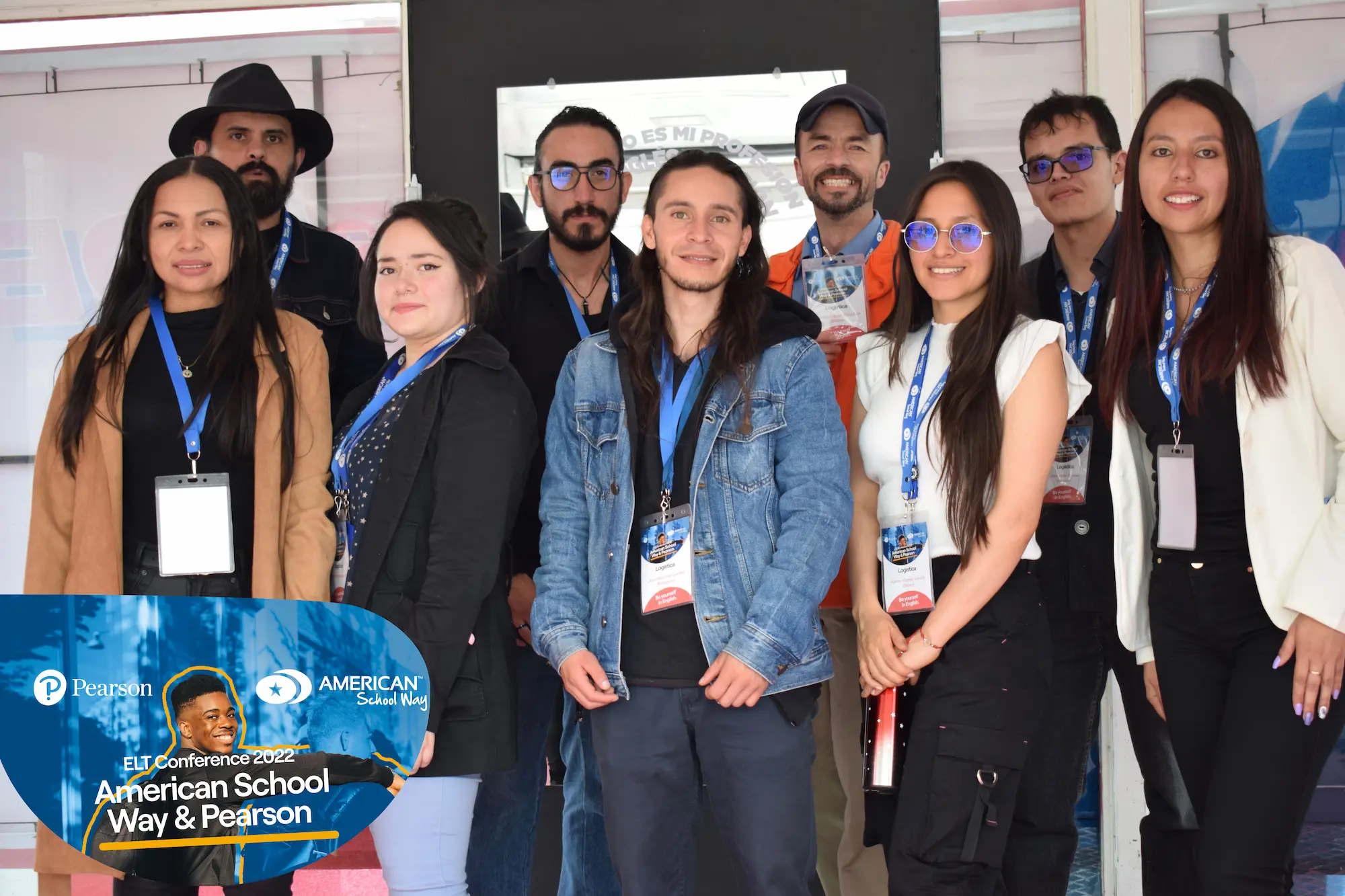
Fourth ELT Conference 2025
Step back into the ideas that made the Fourth ELT Conference 2025: Shaping Influential Mentorship to Humanize Language Education a meaningful gathering for the ELT community. Explore the moments that celebrated mentorship, highlighted the human side of language learning, and encouraged educators to build more empathetic, inspiring, and impactful learning experiences.
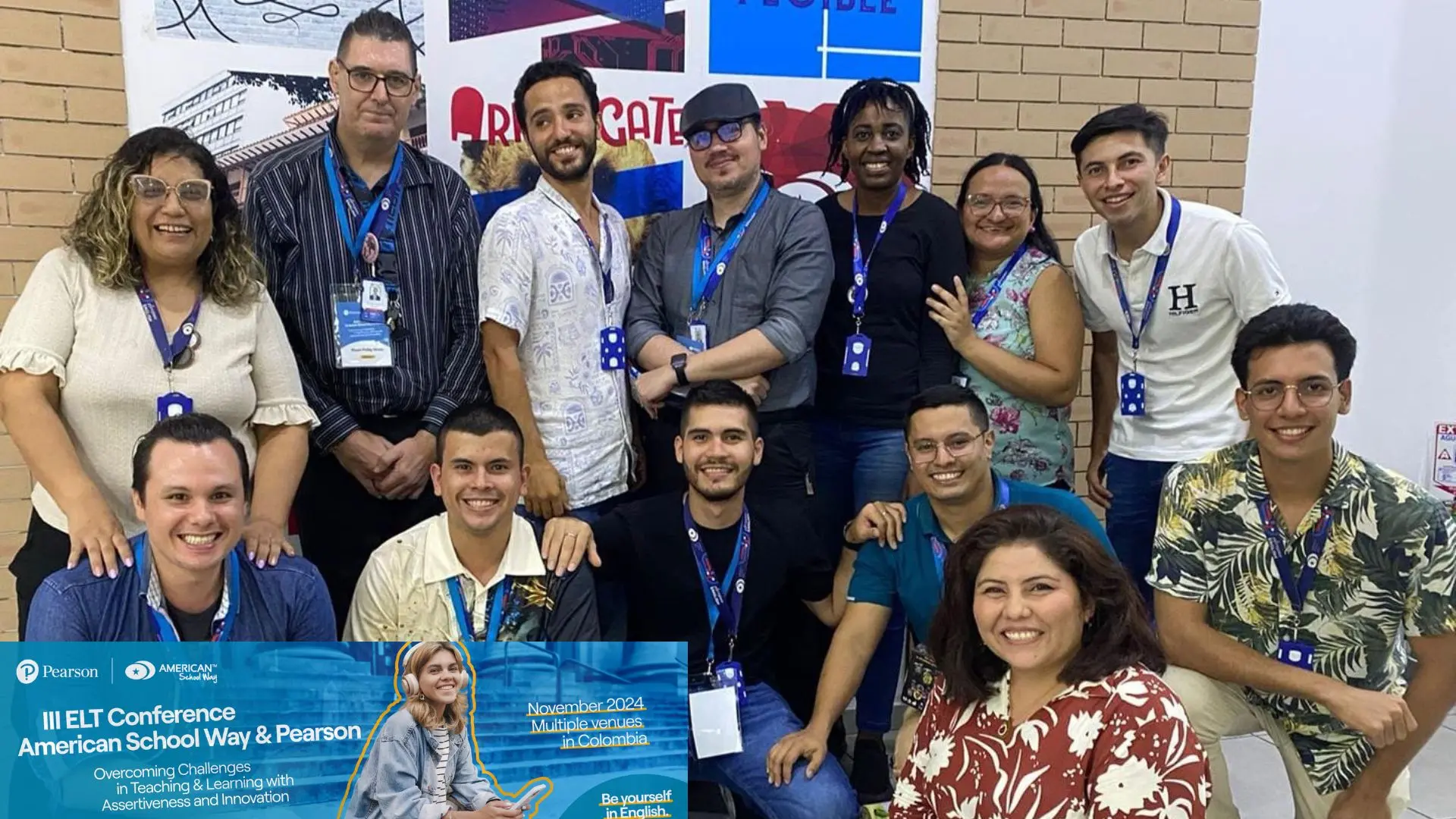
Third ELT Conference 2024
Missed the action or want to experience the best moments again? Dive into the most inspiring talks, unforgettable moments, and powerful insights from ELT Conference 2024. Watch the highlights and feel the energy that brought educators together from around the world!
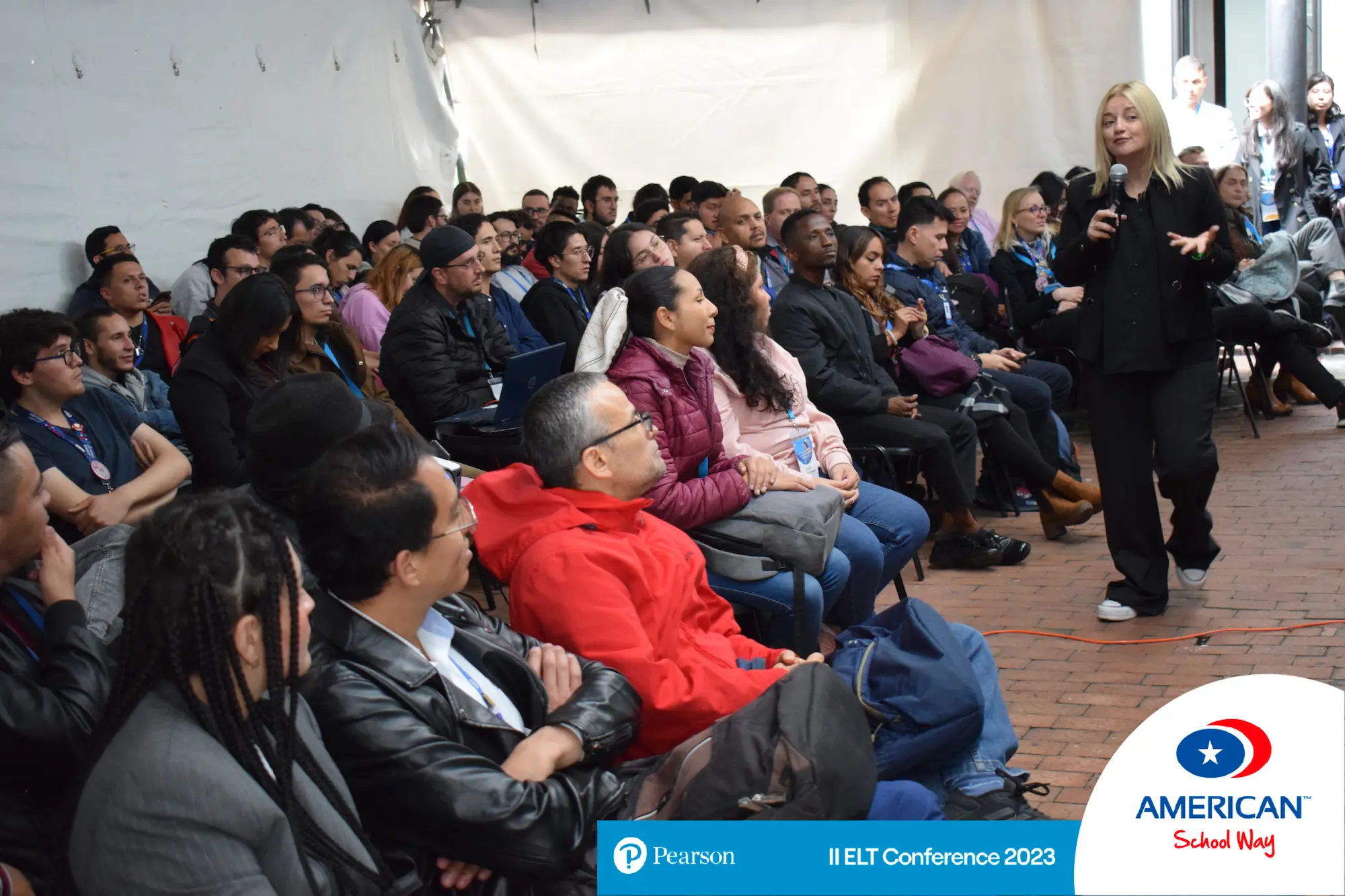
Second ELT Conference 2023
Step into the transformative world of the 2nd ELT Conference!
In this conference, we gathered brilliant minds and passionate educators who shared groundbreaking ideas and innovative practices that are reshaping the landscape of English Language Teaching. This video captures the essence of that unforgettable event: moments of inspiration, discussions, and a community united by a shared mission. Join us as we relive the highlights and celebrate the power of collaboration and creativity in education.
Don’t miss this chance to experience the magic all over again!