
The Countdown Has Begun ⏳
We’re just days away from ELT Conference 2026 — Diving into language education: Creating Impact, Fostering Belonging & Elevating Practices.
Are you ready to be part of the change? 🚀
Explore the ELT Conference Journal
Discover the complete story behind the ELT Conference!
Inside the ELT Journal, you’ll find exclusive insights, inspiring highlights, behind-the-scenes stories, and a look at the brilliant minds who made it all possible. Immerse yourself in the spirit of innovation, collaboration, and education that defined this year’s event.
November 2026
Main International Speaker
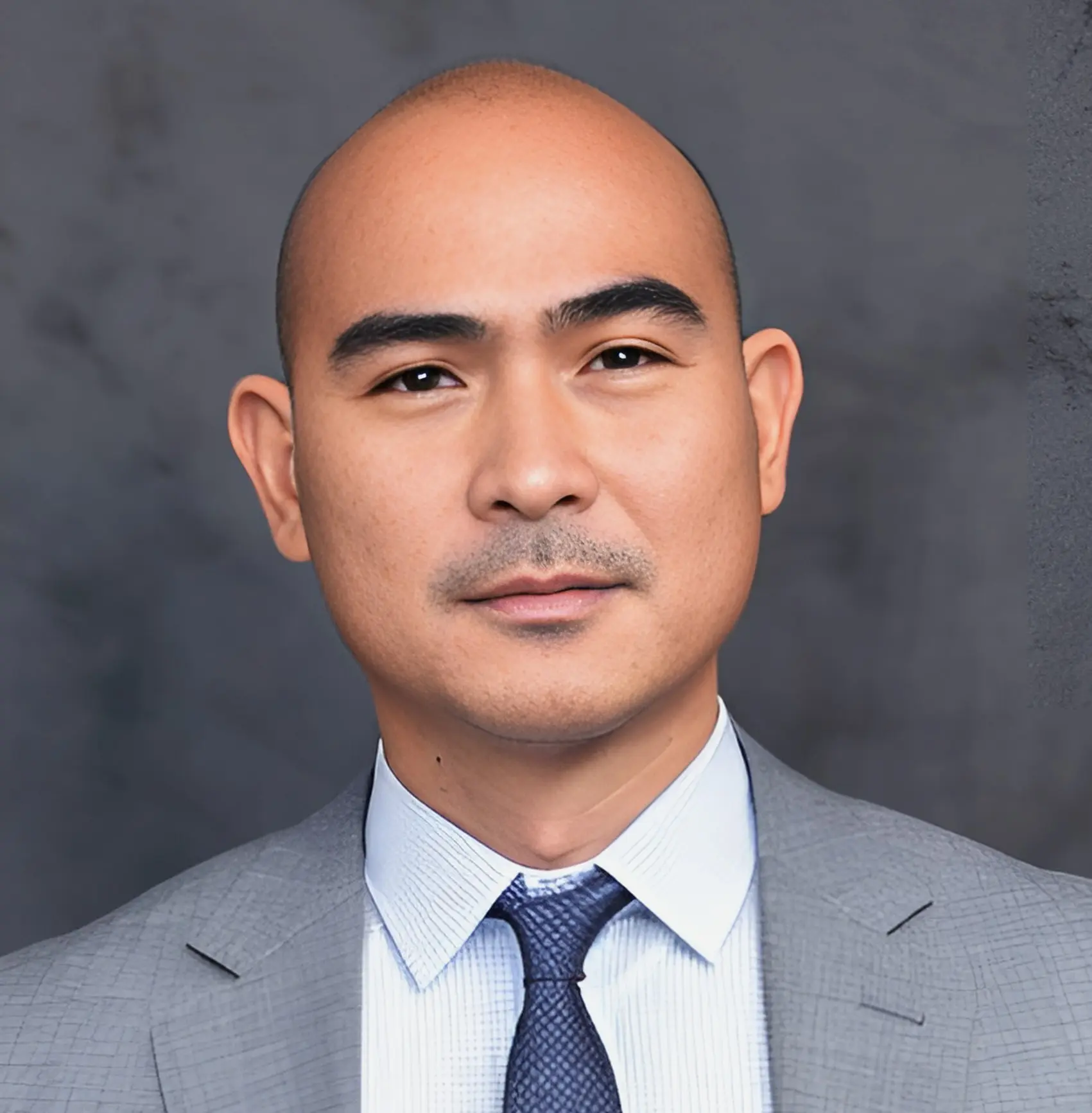
Ronald Allan Cruz, M.A.
International speaker and educational leader
Ronald Cruz’s expertise aligns exceptionally well with the conference theme “Diving into Language Education: Creating Impact, Fostering Belonging & Elevating Practices.” His professional experience centers on helping educators and institutions create learning environments where students feel seen, valued, engaged, and empowered to succeed. His work directly addresses many of the conference’s key strands, including Human Centered Education, Student Agency, Belonging and Engagement, Digital Pedagogical Education, Social Impact through English Education, Collaborative and Reflective Teaching, Social-Emotional Learning, Artificial Intelligence, and Teaching Autonomy. Drawing on extensive experience leading educational innovation initiatives in the United States, Ronald explores how educators can balance technological advancement with human connection, ensuring that learning remains meaningful, inclusive, and transformative.
Past ELT Conference Sessions: Discover Our Journey
Explore the full archive of past conference sessions that have shaped our ELT community. Browse through the talks, themes, and speakers that inspired teachers, sparked innovation, and contributed to our shared growth over the years.
Bogotá
About the Venue
About the Artists
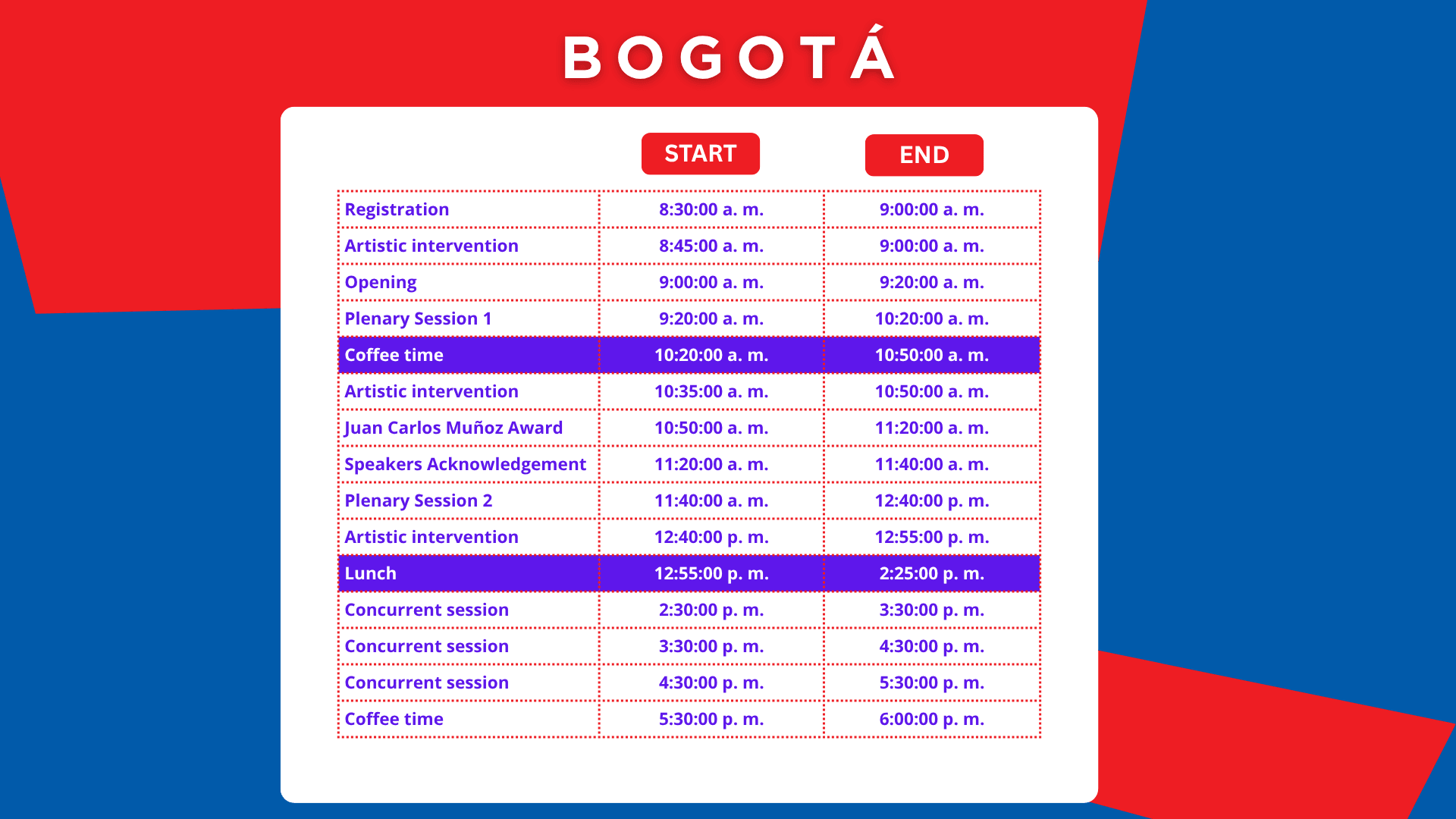
Schedule
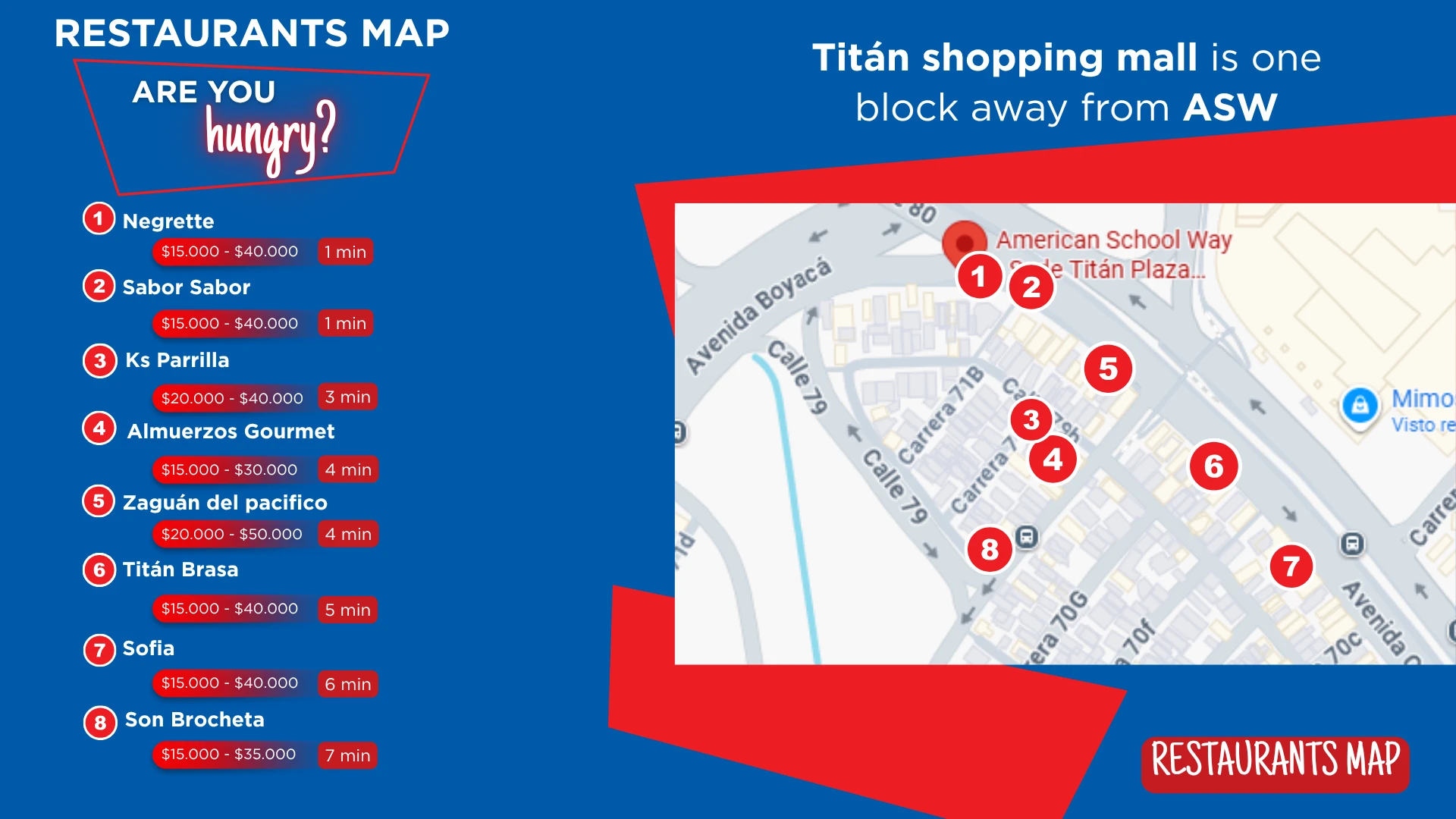
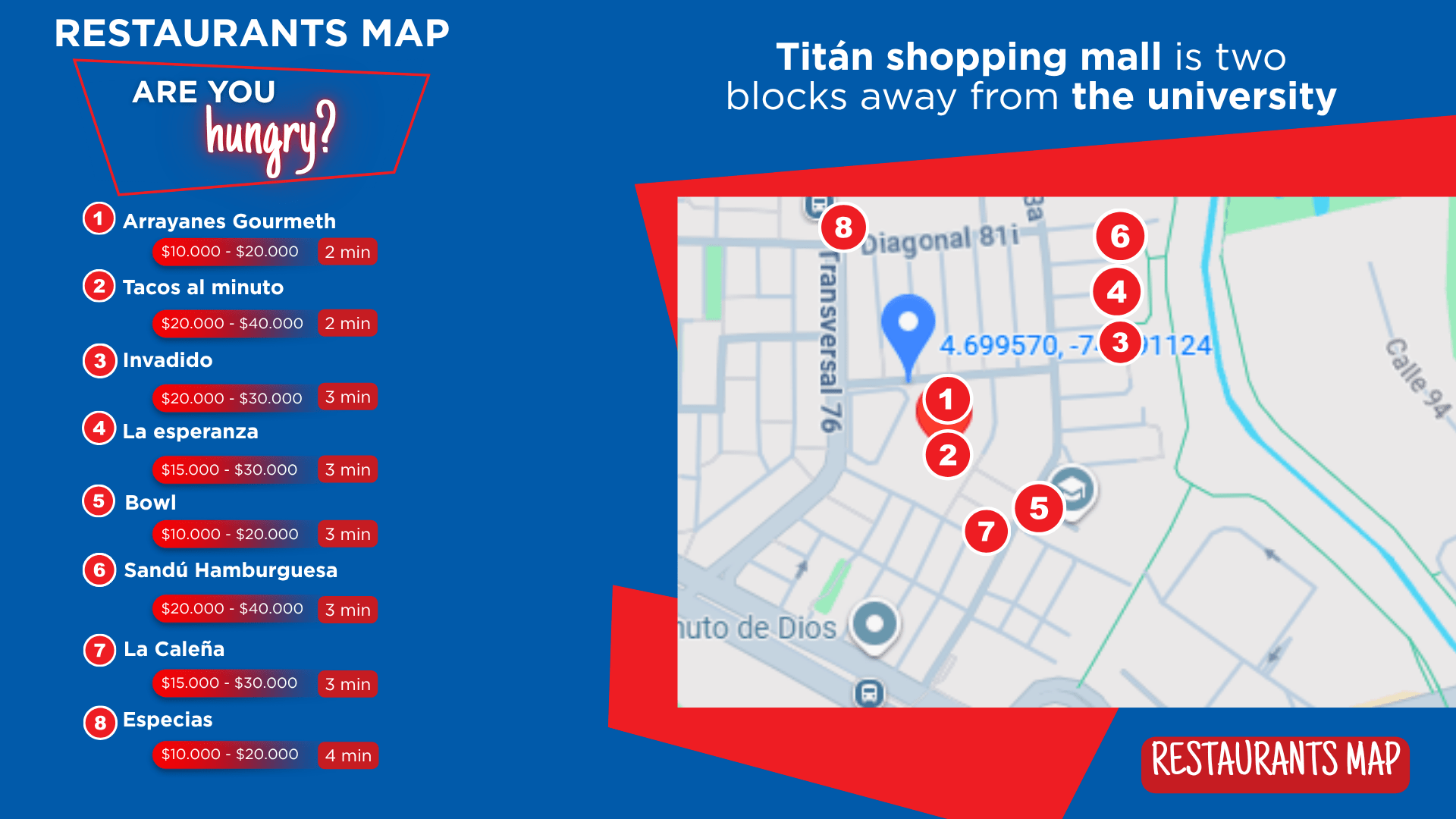
Plan Your Lunch
Event Types
Session Categories
14:30 - 15:30
Mentoring with AI: Humanizing ELT Through Pedagogical Innovation (ES)
Rodolfo Joya Mantilla
 Rodolfo Joya Mantilla
Pedagogical implications of integrating artificial intelligence tools into English language teaching. Grounded in classroom experience, it explores how AI can enhance instructional planning, formative assessment, learner engagement, and teacher professional development. Emphasis is placed on reflective practice, ethical considerations, and the potential of AI to support innovation in teaching. Participants will gain practical insights and strategies for the responsible and effective use of AI tools to improve both teaching quality and learner outcomes.
Available seats: 0
Mentoring for Growth: A Reflective Perspective (ES)
Marianna Alexandra Perez Ramon
 Marianna Alexandra Perez Ramon
How we teach and lead students often echoes the words of those who shaped our path. In this session, I invite educators to reflect on the moments and relationships that have shaped their teaching identity as mentors and mentees. Through shared experiences, we will explore how meaningful connection and empathy can support professional growth. By revisiting the guidance we once received, we can better understand how to offer it to others and how mentorship remains a powerful force in education.
Available seats: 0
Mentoring the Whole Person: Nurturing Human Qualities in Language Learners (WS)
Ricardo Andres Layton Beltran
 Ricardo Andres Layton Beltran
This interactive workshop explores how the Step Up C1 course by Pearson can serve as a framework for mentoring students as whole individuals. By integrating modules such as Goal Setting, Leadership, Wellness, and Social Responsibility, participants will discover ways to support not only academic language development but also personal growth. Anchored in humanizing pedagogy, this session offers strategies to guide learners toward becoming confident, responsible, and emotionally intelligent individuals in and beyond the classroom.
Available seats: 0
Optimizing Learners Pronunciation through Technology Mediated Task Based Learning (RPP)
Daniel Alejandro Sanchez Paez
 Daniel Alejandro Sanchez Paez
The acquisition of English pronunciation as Foreign Language in Colombia has been one of the most difficult competences in EFL learners. A diagnostic needs analysis of 10 learners in pronunciation identified the lack of knowledge in phonetics. This qualitative research took a four-stage methodology to recognize how the role of mentoring through Technology Mediated Task Based Learning might cooperate in the optimization of English pronunciation. After incorporating some tech-tools into linguistic tasks, the appropriation of phonetics leaded to pronunciation improvements
Available seats: 0
From Chalk to Click: Bridging the Age Divide (WS)
Karen Yissela Varela Olivera, Oscar David Ramos Diaz
 Karen Yissela Varela Olivera
 Oscar David Ramos Diaz
In American School Way methodology, learners age gap and affinity for technology are essential for planning and implementing lessons. This presentation will highlight the connection between teaching styles, classroom dynamics, and students participation. Therefore, this session will promote a methodology that actively includes all students by implementing some teaching strategies adapted to the diversity of our regular classrooms. It will also raise awareness among ASW educators about the importance of considering these factors when providing instructions or implementing activities.
Available seats: 0
Turning integration into inclusiveness: UDL for more accessible lessons (WS)
Jose Alexis Diaz Muñoz, Lauren Estela Perez Mangonez
 Jose Alexis Diaz Muñoz
 Lauren Estela Perez Mangonez
This workshop aims to encourage the inclusiveness of students with special needs into ASW classes through the use of Microsoft Forms and other resourses to provide more accessible verbal and contextual information. We hope that the experience of creating materials based on the UDL approach (Universal Design for Learning) will facilitate our teachers role as mentors, and humanize the learning process; this in turn will enrich the local and external populations as inclusiveness is promoted by ASW.
Available seats: 0
You, Me & English: Connotations and Their Effect on Learners (WS)
Rayando Ricardo Blake
 Rayando Ricardo Blake
In this riveting session, You, Me & English: Connotations and Their Effect on Learners highlights the often-overlooked emotional and cultural meanings behind words. Through hands-on activities, collaborative dialogue, and personal reflection, participants will explore how connotations shape learners’ understanding, confidence, and communication. By fostering empathy and awareness, the session empowers mentors and learners alike to navigate English with greater sensitivity—promoting not just skill development, but meaningful and inclusive communication across diverse cultural and emotional landscapes.
Available seats: 0
Planting Seeds of Impact with a Teachers Voice (WS)
Eliana Giseth Franco Marin
 Eliana Giseth Franco Marin
A teacher’s words do more than just instruct—they shape the learning atmosphere, build relationships, and leave lasting impressions on our students lives. This workshop invites us, English teachers, to live a linguistic experience that helps us become more aware of the impact our daily discourse has on our students.By building bridges between language and pedagogy, we will reflect on how our voice can shape not only the learning process, but also the way our students see themselves and the world.
Available seats: 0
Storytelling as a Bridge to English Language Development (WS)
Yulieth Jasbleidy Nunez Bernal
 Yulieth Jasbleidy Nunez Bernal
This workshop invites educators to explore the power of creative writing as a warm, humanizing bridge to language learning. Through imagination and storytelling, students of all levels engage emotionally, develop their voice, and build confidence in English. Teachers become mentors who guide, inspire, and create meaningful spaces where language meets identity. This session offers a hands-on creative experience that fosters student-centred practices while nurturing both linguistic growth and personal connection.
Available seats: 0
Strategies to handle with emotional issues while in class (WS)
Maria Isabel Garcia Rodriguez, Sergio Andrés González Ardila
 Maria Isabel Garcia Rodriguez
 Sergio Andrés González Ardila
This workshop provides a unique and interactive exploration of emotions and feelings, especially anxiety . Through a series of engaging activities, participants will learn to differentiate between emotions and feelings, understand their significance in daily life, and develop practical strategies for emotional management. The session begins with a foundational discussion on key concepts, including emotion, feeling, and their distinctions, followed by an in-depth examination of common emotional states specially anxiety.
Available seats: 0
Meeting Students Actual Needs: Transcending Standards in ELT (RT)
Sergio Ivan Tique Trivino
 Sergio Ivan Tique Trivino
Following standardized class models in ELT education may negatively affect students with special needs—such as divergent learners, those who learn at different paces, or those struggling with self-confidence. Teachers must draw not only on their knowledge, resources, and sensitivity, but also respond to learners in a human-centered way. This roundtable invites teachers to share experiences, exchange stories, and develop ideas to address these challenges and foster more inclusive learning environments.
Available seats: 0
Creative Strategies to Promote Motivation and Engagement in EFL Classrooms. (RT)
Kevin Stiven Campos Garcia
 Kevin Stiven Campos Garcia
This presentation explores how creative instructional strategies enhance motivation and engagement in EFL classrooms while emphasizing the essential human side of teaching. Through real classroom experiences, it shows how empathy, emotional connection, and joyful learning build safe environments where students feel confident to participate. Activities like role-playing, games, and outdoor tasks promote meaningful interaction and personal growth. The session encourages teachers to be flexible, compassionate, and student-centered—transforming traditional lessons into emotionally rich experiences that inspire deeper language learning and connection.
Available seats: 0
Translanguaging as Empowerment for Linguistic Identity (Re)Constructionn (RPP)
Kelly Vanesa Ruiz Quiroga
This research explores how translanguaging supports the (re)construction of a linguistic identity among ninth-grade students in a private school in Bogotá. Through this presentation, you will be able to understand how allowing students to use their entire linguistic repertoire creates a more inclusive classroom humanizing language and teaching practices, and how translanguaging validates home language, fostering language development, identity affirmation, and respect for linguistic identities.
Available seats: 0
Rapport, a crucial element to succeed communication targets. (ES)
Daniel Felipe Matoma Sanchez
 Daniel Felipe Matoma Sanchez
In English Language Teaching, rapport is essential to achieve genuine communication goals. Beyond cordiality, it involves authentic and beneficial teacher-student connection, where both bring their real selves into and outside the classroom. This humanized approach fosters meaningful language use through shared experiences and reflective practices. As educational environments evolve, embracing empathy, sensitivity, and soft skills become vital. Rapport transforms language learning into a space for identity, trust, and purpose, deepening acquisition and enhancing motivation through honest and responsible interpersonal engagement.
Available seats: 0
From Guesswork to Growth: Tools that Enhance Teaching and Learning. (RT)
Dylan Le Grange
 Dylan Le Grange
The roundtable will explore formative assessment strategies and tools that enhance ESL teaching and learning. After a brief warm-up and topic introduction, participants will view a mini-presentation to spark discussion. Small groups will then explore guided questions related to effective assessment and learner support tools. The presentation concludes with a whole-group wrap-up where key insights, strategies, and classroom applications are shared collaboratively.
Available seats: 0
Mentorship-Driven Feedback and Assessment for Students’ Empowerment (RT)
Francy Viviana Pulgarin Alfonso, Lizeth Paola Garzon Paez
 Francy Viviana Pulgarin Alfonso
 Lizeth Paola Garzon Paez
This round table will explore how mentorship-centered assessment and proactive feedback empower language learners through autonomy, self-regulation, and reflective practice. Participants will share classroom experiences and collaboratively examine strategies that shift assessment from judgment to growth. Designed as an interactive space, the session will invite educators to reflect on assessment as a relational, learner-centered process that builds academic achievement and confidence. Attendees will leave with practical ideas and renewed perspectives on feedback and mentorship in language learning contexts.
Available seats: 0
Expanding through Lexis and Motivation. (ES)
Abraham Wynand Sarel Pieters
Helping students by teaching Lexis structures boosts their language development by expanding vocabulary and deepening understanding of word patterns. Introducing collocations, idioms, and word families makes learning more meaningful and practical. This approach enhances fluency, confidence, and comprehension in real-life communication. Motivation increases as students see progress and gain tools to express themselves more accurately. Teachers can inspire learners by using engaging, contextualized activities that show how mastering Lexis unlocks greater command of the language.
Available seats: 0
From Silence to Voice: Prepare Your Students to Talk (WS)
Willy Ferney Caceres Urrego
 Willy Ferney Caceres Urrego
Help your students break the silence and speak with confidence. Giving students the necessary tools to speak and get ready for an exam, while also having fun, is possible. As Dörnyei (2001) mentions, "making the teaching materials relevant to learners" is a basic strategy used to generate initial motivation, as part of an overall encouraging teaching practice. This workshop will present the structure of a special lesson designed to prepare students for oral exams through engaging, student-centered tasks.
Available seats: 0
Empowering Learners through Self-Regulation (RT)
Karol Dayana Castillo Herrera
 Karol Dayana Castillo Herrera
This conference will explore the nature of self-regulated learning (SRL), focusing on practical strategies, that empower individuals to become more autonomous, effective, and resilient learners.
Available seats: 0
The Impact of Goal-setting on Speaking Anxiety (RPP)
Carlos Ernesto Diaz Costa
 Carlos Ernesto Diaz Costa
Learners’ beliefs in their capacity to succeed or fail are a crucial factor in their academic performance. With this in mind, this study examines how a goal-setting approach in which progress becomes visible contributes to improving speaking performance by reducing learners’ speaking anxiety. The data were collected through artifacts and semi-structured interviews taken from 12 ASW learners. This study concluded that a sense of success enhances self-efficacy beliefs and reduces speaking anxiety. Keywords: self-efficacy; goal-setting; speaking anxiety.
Available seats: 0
15:30 - 16:30
Mentoring the Whole Person: Nurturing Human Qualities in Language Learners (WS)
Ricardo Andres Layton Beltran
Ricardo Andres Layton Beltran
This interactive workshop explores how the Step Up C1 course by Pearson can serve as a framework for mentoring students as whole individuals. By integrating modules such as Goal Setting, Leadership, Wellness, and Social Responsibility, participants will discover ways to support not only academic language development but also personal growth. Anchored in humanizing pedagogy, this session offers strategies to guide learners toward becoming confident, responsible, and emotionally intelligent individuals in and beyond the classroom.
Available seats: 0
Artificial Intelligence: A Double- Edged Sword for English Learning (WS)
Evanson Omondi Omondi
 Evanson Omondi Omondi
This study examines the double-edged impact of AI in English learning, noting its potential benefits alongside risks of reducing critical thinking. Since English acquisition depends on interactive teacher–student engagement, the research questions how AI tools, such as ChatGPT, can be integrated organically without undermining this process, particularly in non-Anglophone regions. Through interviews with ASW students and library research, the study advocates for a balanced, reflective pedagogical approach that fosters conscious awareness in using AI within the English Learning Process (ELP).
Available seats: 0
Smooth Starts: Making seamless transitions and Ice Breakers (WS)
Yossimar Andrea Surribas Rodriguez
 Yossimar Andrea Surribas Rodriguez
This workshop explores effective classroom strategies for initiating and maintaining student engagement through ice breakers and transitions. Participants will learn how to foster a positive learning environment, build rapport, and smoothly guide students between lessons. Practical techniques, adaptable for various age groups and subjects, will be modeled and practiced. Emphasis is placed on timing, tone, and student interaction. Teachers will leave with ready-to-use tools to enhance classroom flow and boost participation.
Available seats: 0
Motivating the Unmotivated (RT)
Johner Stick Julio Cortes, Michael Stiven Avila Rendon
 Johner Stick Julio Cortes
 Michael Stiven Avila Rendon
This round table invites educators to share challenges and insights on motivating unengaged students. Together, we´ll explore the root causes of low motivation and discuss practical mentorship strategies to re-engage learners through empathy, relevance, and autonomy. Participants will exchange experiences, reflect on real classroom cases, and co-create actionable ideas to empower students.
Available seats: 0
Mentoring Through Stories: Friends on the Journey of Learning! (ES)
Sebastian Arias Leon
 Sebastian Arias Leon
Education thrives on storytelling, using students personal experiences to explore and learn a foreign language. This approach fosters meaningful engagement and learning that extends beyond the classroom. By connecting language learning to real-life goals, students see themselves as part of a larger journey, using the foreign language as a tool for personal growth. Integrating life lessons into the ESL environment has proven to enhance motivation, encouraging students to express themselves more freely and with greater confidence in their language skills.
Available seats: 0
Words That Work: Boosting Linguistic Skills Through Feedback (WS)
Juan Guillermo Parra Mora, Luz Aída Muñetón Vargas
 Juan Guillermo Parra Mora
 Luz Aída Muñetón Vargas
This interactive workshop for American School Way educators equips teachers with evidence-based strategies to deliver clear, specific, and motivating feedback, accelerating student language development. Through hands-on activities, role-playing, and discussions, participants practice tailored, constructive feedback to engage diverse learners, address disengagement, and navigate classroom dynamics. The session blends theory with practical tools to foster inclusive, language-rich classrooms, empowering educators to promote linguistic growth and confident communication.
Available seats: 0
How the GSE Helps Build More Inclusive Teaching (ES)
Nicolas Fernando Chaparro Galeano, Caroline Marie Bernadette Mervaille
 Nicolas Fernando Chaparro Galeano
 Caroline Marie Bernadette Mervaille
This presentation explores how the GSE (Pearson) and the Ambassadors Program (ASW) foster a more inclusive, student-centered approach to English learning. The GSE aligns objectives, instruction, and assessment, helping students track progress and take ownership of learning. Meanwhile, the Ambassadors Program offers real-life language exposure, improving listening skills, cultural awareness, and communication confidence. Together, these tools enhance accessibility, motivation, and global readiness by promoting authentic, personalized, and practical language experiences in the classroom.
Available seats: 6
Tutoring in Action, from a neurological perspective (WS)
Eva Elizabeth Marcano Febres, Juan David Ortiz Quevedo
 Eva Elizabeth Marcano Febres
 Juan David Ortiz Quevedo
This workshop empowers ELT professionals to recognize and respond effectively to real classroom tutoring scenarios from a neurological perspective. Through role-play and a practical strategy cheat sheet, mentors will explore common student profiles—such as silent, overconfident, or emotional learners—and apply coaching techniques to support them. Participants will gain confidence in their mentoring abilities and leave with tools they can use immediately in their teaching contexts impacting the students cortex.
Available seats: 0
Turning integration into inclusiveness: UDL for more accessible lessons (WS)
Jose Alexis Diaz Muñoz, Lauren Estela Perez Mangonez
Jose Alexis Diaz Muñoz
Lauren Estela Perez Mangonez
This workshop aims to encourage the inclusiveness of students with special needs into ASW classes through the use of Microsoft Forms and other resourses to provide more accessible verbal and contextual information. We hope that the experience of creating materials based on the UDL approach (Universal Design for Learning) will facilitate our teachers role as mentors, and humanize the learning process; this in turn will enrich the local and external populations as inclusiveness is promoted by ASW.
Available seats: 0
Planting Seeds of Impact with a Teachers Voice (WS)
Eliana Giseth Franco Marin
Eliana Giseth Franco Marin
A teacher’s words do more than just instruct—they shape the learning atmosphere, build relationships, and leave lasting impressions on our students lives. This workshop invites us, English teachers, to live a linguistic experience that helps us become more aware of the impact our daily discourse has on our students. By building bridges between language and pedagogy, we will reflect on how our voice can shape not only the learning process, but also the way our students see themselves and the world.
Available seats: 0
Strategies to handle with emotional issues while in class (WS)
Maria Isabel Garcia Rodriguez, Sergio Andrés González Ardila
Maria Isabel Garcia Rodriguez
Sergio Andrés González Ardila
This workshop provides a unique and interactive exploration of emotions and feelings, especially anxiety . Through a series of engaging activities, participants will learn to differentiate between emotions and feelings, understand their significance in daily life, and develop practical strategies for emotional management. The session begins with a foundational discussion on key concepts, including emotion, feeling, and their distinctions, followed by an in-depth examination of common emotional states specially anxiety.
Available seats: 0
An Approach to Older-adult EFL learners Empowerment Through Mentorship (RT)
William Alejandro Benjamin Pena
 William Alejandro Benjamin Pena
Age-related barrier in language acquisition is a crucial matter to deal with in EFL. Older adults, who regularly struggle with learning English, necessitate feasible support from their language teachers. So as to reach their objective, seniors require a paradigm shift in pedagogical approaches. This round-table session pretends to examine the role of mentorship as a transformative practice in empowering older-adult EFL learners. Attendees to this activity will engage in discussions of ideas and get some thoughtful insight on the issue.
Available seats: 0
Confronting the Innovation Illusion in English Teaching: An SAMR Workshop (WS)
Oscar Felipe Calderon Llanos
 Oscar Felipe Calderon Llanos
This workshop helps English teachers develop clear criteria for identifying authentic and illusory innovation in their classrooms. Using the SAMR model, participants will analyze how traditional tools (e.g., boards, worksheets, translation) have evolved into digital formats (e.g., interactive boards, games, apps, AI). In groups, teachers will assess whether these changes represent surface-level modifications or true innovation. Through reflection and collaboration, participants will evaluate their own practices and learn to use educational technology more intentionally to enhance English learning.
Available seats: 0
Mentorship-Driven Feedback and Assessment for Students’ Empowerment (RT)
Francy Viviana Pulgarin Alfonso, Lizeth Paola Garzon Paez
Francy Viviana Pulgarin Alfonso
Lizeth Paola Garzon Paez
This round table will explore how mentorship-centered assessment and proactive feedback empower language learners through autonomy, self-regulation, and reflective practice. Participants will share classroom experiences and collaboratively examine strategies that shift assessment from judgment to growth. Designed as an interactive space, the session will invite educators to reflect on assessment as a relational, learner-centered process that builds academic achievement and confidence. Attendees will leave with practical ideas and renewed perspectives on feedback and mentorship in language learning contexts.
Available seats: 0
Crafting Meaningful Lessons with AI-Powered Tools (WS)
Diego Ramirez Machado, Laura Tatiana Alvarado Guacaneme
 Diego Ramirez Machado
 Laura Tatiana Alvarado Guacaneme
This stimulating workshop will show teachers how to use different AI tools to get students to learn the target language in an enjoyable and meaningful way while also enriching their language skills and making them think more deeply. In this session, teachers will work together on different AI- and human analytical skills-powered assignments that will help them create fun, interactive, and dynamic teaching materials that will bring learning to life.
Available seats: 0
Expanding through Lexis and Motivation. (ES)
Abraham Wynand Sarel Pieters
Helping students by teaching Lexis structures boosts their language development by expanding vocabulary and deepening understanding of word patterns. Introducing collocations, idioms, and word families makes learning more meaningful and practical. This approach enhances fluency, confidence, and comprehension in real-life communication. Motivation increases as students see progress and gain tools to express themselves more accurately. Teachers can inspire learners by using engaging, contextualized activities that show how mastering Lexis unlocks greater command of the language.
Available seats: 0
Differentiating Rapid Lessons: Managing Mixed Abilities in Time-Constrained Classes (RT)
Mark Lloyd Scott, Shannon Christopher Wilson
 Mark Lloyd Scott
 Shannon Christopher Wilson
In fast-paced, time-limited lessons, mixed-ability students within the same CEFR level can create challenges for teachers—especially when stronger learners feel held back and others struggle to keep up. This talk explores practical, low-prep strategies for managing these differences effectively in just 13 minutes per session. Attendees will gain tools for flexible pacing, student engagement, and differentiated support, ensuring every learner is challenged appropriately—without overwhelming the teacher or disrupting lesson flow.esson flow.
Available seats: 0
Effective Use of Spare Class Time with Language Learning Resources (WS)
Nicolas Rayo Ortiz
 Nicolas Rayo Ortiz
Mentors often face challenges when working with limited resources, particularly in single-student lessons or simply in situations when there is extra time in class. Therefore, this workshop aims to address these scenarios by using language teaching resources such as warm-up activities, digital tools, and the like. This allows mentors to use their spare time properly. Finally, at the ELT session, mentors will be able to interact with these resources by applying them in different academic settings based on ASW context.
Available seats: 0
Empowering Learners through Self-Regulation (RT)
Karol Dayana Castillo Herrera
Karol Dayana Castillo Herrera
This conference will explore the nature of self-regulated learning (SRL), focusing on practical strategies, that empower individuals to become more autonomous, effective, and resilient learners.
Available seats: 0
The Impact of Goal-setting on Speaking Anxiety (RPP)
Carlos Ernesto Diaz Costa
Carlos Ernesto Diaz Costa
Learners’ beliefs in their capacity to succeed or fail are a crucial factor in their academic performance. With this in mind, this study examines how a goal-setting approach in which progress becomes visible contributes to improving speaking performance by reducing learners’ speaking anxiety. The data were collected through artifacts and semi-structured interviews taken from 12 ASW learners. This study concluded that a sense of success enhances self-efficacy beliefs and reduces speaking anxiety. Keywords: self-efficacy; goal-setting; speaking anxiety.
Available seats: 0
16:30 - 17:30
Dougong: Building and reinforcing knowledge by learning to unlearn (WS)
Christian Camilo Aponte Ricardo
 Christian Camilo Aponte Ricardo
An ancient architectural method has remained and withstood centuries of storms, wars, and earthquakes in China. It is called Dougong. This holds temples’ roofs aloft, with all its weight and grace using neither glue nor nails…just very-well-connected wooden pieces. In this conference, I will demonstrate how this method and our labor as teachers and ambassadors are related. By the end of it, the audience will get tools in order to learn to unlearn English teaching methods and upgrade their knowledge.
Available seats: 0
Listen Like a Mentor: Building Trust in our ELT Classroom (WS)
Rosa Matilde Perez Trespalacios
 Rosa Matilde Perez Trespalacios
This interactive workshop explores how deep, intentional listening can be a powerful form of mentorship in English language classrooms. Through reflective activities and practical simulations, participants will examine how different listening styles impact learner trust, motivation, and identity. The session introduces strategies like “Pause + Reflect” and “Curious Follow-Up” to foster emotional safety and engagement. Educators will leave with actionable tools to build stronger relationships and create more humanized, responsive learning environments where students feel genuinely heard.
Available seats: 3
Words That Work: Boosting Linguistic Skills Through Feedback (WS)
Juan Guillermo Parra Mora, Luz Aída Muñetón Vargas
Juan Guillermo Parra Mora
Luz Aída Muñetón Vargas
This interactive workshop for American School Way educators equips teachers with evidence-based strategies to deliver clear, specific, and motivating feedback, accelerating student language development. Through hands-on activities, role-playing, and discussions, participants practice tailored, constructive feedback to engage diverse learners, address disengagement, and navigate classroom dynamics. The session blends theory with practical tools to foster inclusive, language-rich classrooms, empowering educators to promote linguistic growth and confident communication.
Available seats: 0
Learning to learn: Cultivating autonomous strategies in the classroom (WS)
Daniel Santiago Chirivi Pinto, Sara Valentina Parra Daza
 Daniel Santiago Chirivi Pinto
 Sara Valentina Parra Daza
In today’s globalized world, where English learning is essential, fostering learner autonomy is key. This collaborative workshop will divide teachers into groups to critically discuss aspects of autonomous learning through Participatory Action Research (PAR). The main goal is to provide structured guidance and share practical strategies to promote autonomy in students. By the end of the session a collective conclusion will then be drawn to support future classroom practice.
Available seats: 0
Artificial Intelligence: A Double- Edged Sword for English Learning (WS)
Evanson Omondi Omondi
Evanson Omondi Omondi
This study examines the double-edged impact of AI in English learning, noting its potential benefits alongside risks of reducing critical thinking. Since English acquisition depends on interactive teacher–student engagement, the research questions how AI tools, such as ChatGPT, can be integrated organically without undermining this process, particularly in non-Anglophone regions. Through interviews with ASW students and library research, the study advocates for a balanced, reflective pedagogical approach that fosters conscious awareness in using AI within the English Learning Process (ELP).
Available seats: 0
Smooth Starts: Making seamless transitions and Ice Breakers (WS)
Yossimar Andrea Surribas Rodriguez
Yossimar Andrea Surribas Rodriguez
This workshop explores effective classroom strategies for initiating and maintaining student engagement through ice breakers and transitions. Participants will learn how to foster a positive learning environment, build rapport, and smoothly guide students between lessons. Practical techniques, adaptable for various age groups and subjects, will be modeled and practiced. Emphasis is placed on timing, tone, and student interaction. Teachers will leave with ready-to-use tools to enhance classroom flow and boost participation.
Available seats: 0
Optimizing Learners Pronunciation through Technology Mediated Task Based Learning (RPP)
Daniel Alejandro Sanchez Paez
Daniel Alejandro Sanchez Paez
The acquisition of English pronunciation as Foreign Language in Colombia has been one of the most difficult competences in EFL learners. A diagnostic needs analysis of 10 learners in pronunciation identified the lack of knowledge in phonetics. This qualitative research took a four-stage methodology to recognize how the role of mentoring through Technology Mediated Task Based Learning might cooperate in the optimization of English pronunciation. After incorporating some tech-tools into linguistic tasks, the appropriation of phonetics leaded to pronunciation improvements
Available seats: 0
Motivating the Unmotivated (RT)
Johner Stick Julio Cortes, Michael Stiven Avila Rendon
Johner Stick Julio Cortes
Michael Stiven Avila Rendon
This round table invites educators to share challenges and insights on motivating unengaged students. Together, we´ll explore the root causes of low motivation and discuss practical mentorship strategies to re-engage learners through empathy, relevance, and autonomy. Participants will exchange experiences, reflect on real classroom cases, and co-create actionable ideas to empower students.
Available seats: 0
Mentoring Through Stories: Friends on the Journey of Learning! (ES)
Sebastian Arias Leon
Sebastian Arias Leon
Education thrives on storytelling, using students personal experiences to explore and learn a foreign language. This approach fosters meaningful engagement and learning that extends beyond the classroom. By connecting language learning to real-life goals, students see themselves as part of a larger journey, using the foreign language as a tool for personal growth. Integrating life lessons into the ESL environment has proven to enhance motivation, encouraging students to express themselves more freely and with greater confidence in their language skills.
Available seats: 0
You, Me & English: Connotations and Their Effect on Learners (WS)
Rayando Ricardo Blake
Rayando Ricardo Blake
In this riveting session, You, Me & English: Connotations and Their Effect on Learners highlights the often-overlooked emotional and cultural meanings behind words. Through hands-on activities, collaborative dialogue, and personal reflection, participants will explore how connotations shape learners’ understanding, confidence, and communication. By fostering empathy and awareness, the session empowers mentors and learners alike to navigate English with greater sensitivity—promoting not just skill development, but meaningful and inclusive communication across diverse cultural and emotional landscapes.
Available seats: 0
Storytelling as a Bridge to English Language Development (WS)
Yulieth Jasbleidy Nunez Bernal
Yulieth Jasbleidy Nunez Bernal
This workshop invites educators to explore the power of creative writing as a warm, humanizing bridge to language learning. Through imagination and storytelling, students of all levels engage emotionally, develop their voice, and build confidence in English. Teachers become mentors who guide, inspire, and create meaningful spaces where language meets identity. This session offers a hands-on creative experience that fosters student-centred practices while nurturing both linguistic growth and personal connection.
Available seats: 0
Meeting Students Actual Needs: Transcending Standards in ELT (RT)
Sergio Ivan Tique Trivino
Sergio Ivan Tique Trivino
Following standardized class models in ELT education may negatively affect students with special needs—such as divergent learners, those who learn at different paces, or those struggling with self-confidence. Teachers must draw not only on their knowledge, resources, and sensitivity, but also respond to learners in a human-centered way. This roundtable invites teachers to share experiences, exchange stories, and develop ideas to address these challenges and foster more inclusive learning environments.
Available seats: 0
Creative Strategies to Promote Motivation and Engagement in EFL Classrooms. (RT)
Kevin Stiven Campos Garcia
Kevin Stiven Campos Garcia
This presentation explores how creative instructional strategies enhance motivation and engagement in EFL classrooms while emphasizing the essential human side of teaching. Through real classroom experiences, it shows how empathy, emotional connection, and joyful learning build safe environments where students feel confident to participate. Activities like role-playing, games, and outdoor tasks promote meaningful interaction and personal growth. The session encourages teachers to be flexible, compassionate, and student-centered—transforming traditional lessons into emotionally rich experiences that inspire deeper language learning and connection.
Available seats: 0
Translanguaging as Empowerment for Linguistic Identity (Re)Constructionn (RPP)
Kelly Vanesa Ruiz Quiroga
This research explores how translanguaging supports the (re)construction of a linguistic identity among ninth-grade students in a private school in Bogotá. Through this presentation, you will be able to understand how allowing students to use their entire linguistic repertoire creates a more inclusive classroom humanizing language and teaching practices, and how translanguaging validates home language, fostering language development, identity affirmation, and respect for linguistic identities.
Available seats: 0
Rapport, a crucial element to succeed communication targets. (ES)
Daniel Felipe Matoma Sanchez
Daniel Felipe Matoma Sanchez
In English Language Teaching, rapport is essential to achieve genuine communication goals. Beyond cordiality, it involves authentic and beneficial teacher-student connection, where both bring their real selves into and outside the classroom. This humanized approach fosters meaningful language use through shared experiences and reflective practices. As educational environments evolve, embracing empathy, sensitivity, and soft skills become vital. Rapport transforms language learning into a space for identity, trust, and purpose, deepening acquisition and enhancing motivation through honest and responsible interpersonal engagement.
Available seats: 0
An Approach to Older-adult EFL learners Empowerment Through Mentorship (RT)
William Alejandro Benjamin Pena
William Alejandro Benjamin Pena
Age-related barrier in language acquisition is a crucial matter to deal with in EFL. Older adults, who regularly struggle with learning English, necessitate feasible support from their language teachers. So as to reach their objective, seniors require a paradigm shift in pedagogical approaches. This round-table session pretends to examine the role of mentorship as a transformative practice in empowering older-adult EFL learners. Attendees to this activity will engage in discussions of ideas and get some thoughtful insight on the issue.
Available seats: 0
From Chalk to Click: Bridging the Age Divide (WS)
Karen Yissela Varela Olivera, Oscar David Ramos Diaz
Karen Yissela Varela Olivera
Oscar David Ramos Diaz
In American School Way methodology, learners age gap and affinity for technology are essential for planning and implementing lessons. This presentation will highlight the connection between teaching styles, classroom dynamics, and students participation. Therefore, this session will promote a methodology that actively includes all students by implementing some teaching strategies adapted to the diversity of our regular classrooms. It will also raise awareness among ASW educators about the importance of considering these factors when providing instructions or implementing activities.
Available seats: 0
From Guesswork to Growth: Tools that Enhance Teaching and Learning. (RT)
Dylan Le Grange
Dylan Le Grange
The roundtable will explore formative assessment strategies and tools that enhance ESL teaching and learning. After a brief warm-up and topic introduction, participants will view a mini-presentation to spark discussion. Small groups will then explore guided questions related to effective assessment and learner support tools. The presentation concludes with a whole-group wrap-up where key insights, strategies, and classroom applications are shared collaboratively.
Available seats: 0
Crafting Meaningful Lessons with AI-Powered Tools (WS)
Diego Ramirez Machado, Laura Tatiana Alvarado Guacaneme
Diego Ramirez Machado
Laura Tatiana Alvarado Guacaneme
This stimulating workshop will show teachers how to use different AI tools to get students to learn the target language in an enjoyable and meaningful way while also enriching their language skills and making them think more deeply. In this session, teachers will work together on different AI- and human analytical skills-powered assignments that will help them create fun, interactive, and dynamic teaching materials that will bring learning to life.
Available seats: 0
Effective Use of Spare Class Time with Language Learning Resources (WS)
Nicolas Rayo Ortiz
Nicolas Rayo Ortiz
Mentors often face challenges when working with limited resources, particularly in single-student lessons or simply in situations when there is extra time in class. Therefore, this workshop aims to address these scenarios by using language teaching resources such as warm-up activities, digital tools, and the like. This allows mentors to use their spare time properly. Finally, at the ELT session, mentors will be able to interact with these resources by applying them in different academic settings based on ASW context.
Available seats: 0
Medellín
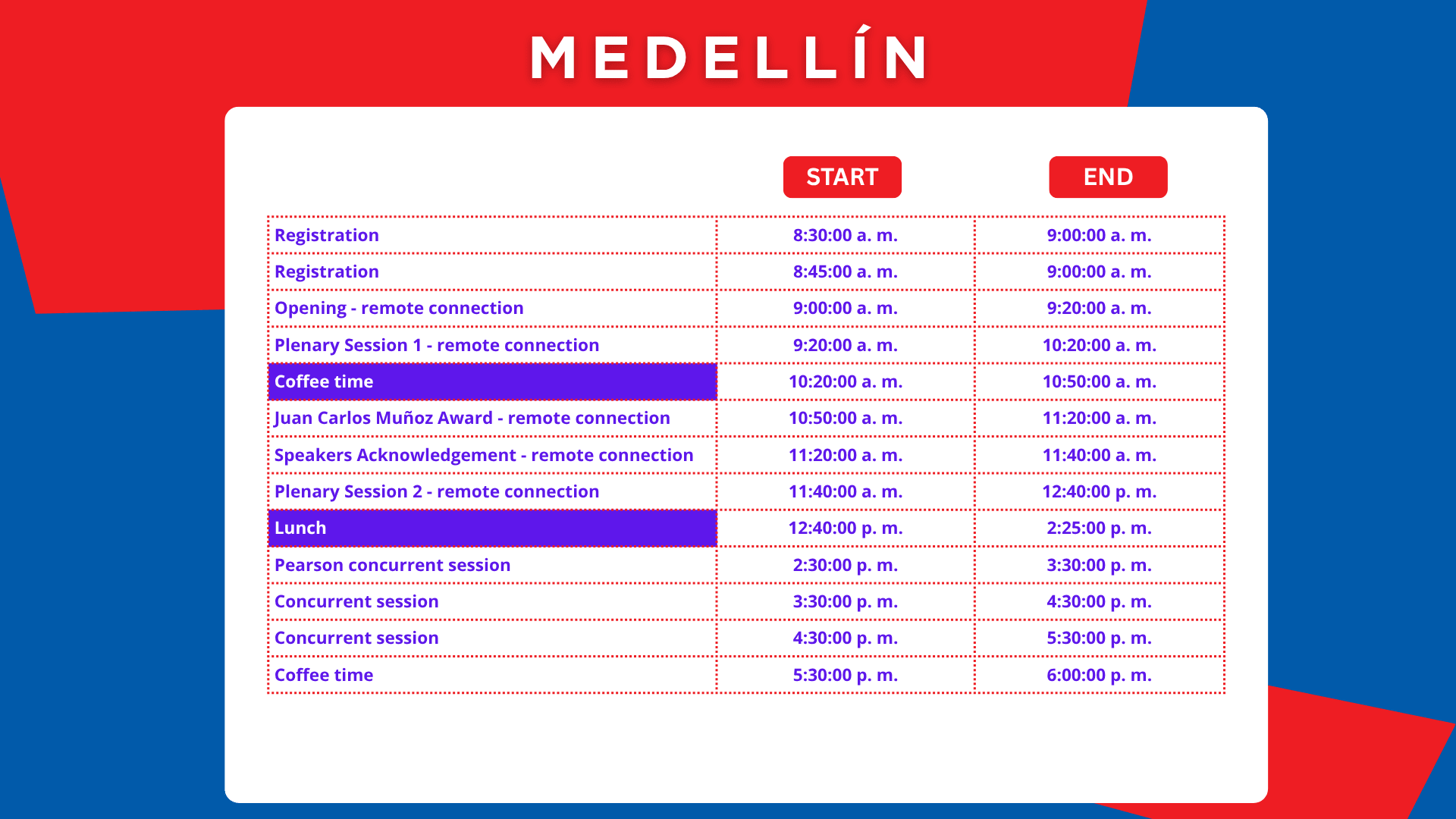
Schedule
Event Types
Session Categories
15:30 - 16:30
The endless world of mentorship (RT)
Diana Marcela Carrillo Contreras, Rossy Johana Arroyo Palacios
 Diana Marcela Carrillo Contreras
 Rossy Johana Arroyo Palacios
This roundtable explores how mentorship transforms learning. Centering on classroom experiences, participants will reflect on how mentoring relationships inspire academic engagement, professional development, and personal growth. Through shared stories, we´ll examine how mentorship fosters confidence, collaboration, and belonging. The discussion will highlight mentorship as an evolving process that shapes learning communities, aiming to spark dialogue on reimagining mentorship as an inclusive practice that adapts to our changing world.
Available seats: 0
Creating meaningful and humanized learning environments in the EFL acquisition (RPP)
Santiago Arango Amaya
Learning a language is challenging for everyone, specially for countries that teach English as a foreign language and do not have a direct context where students can be fully immerse and thus meaningfully share their life experiences in a more natural manner. We, as teachers, have a huge responsibility with facilitating those spaces where language and materials can significantly be used in ways that are related to students’ realities.
Available seats: 6
Elt Microcurriculum on Social Contexts: How to Start Selecting Culture (RPP)
Ronald Hoyos Goez
 Ronald Hoyos Goez
While grammar, pronunciation, listening, reading and speaking are considered the abilities to be developed and pursued, there is still one left to develop among those: living and bringing the language to real life context. What are the practices that allow the student to think and live in English? How should we select curriculum to engage students? These and other questions are the goal of this conference: to aproach ways to live English from our social contexts and from our students contexts
Available seats: 10
16:30 - 17:30
Developing Influential Mentorship Through Self Awareness (WS)
Santiago Paniagua Mejia
 Santiago Paniagua Mejia
This workshop explores the vital role of mentorship in fostering genuine connection within language learning for mentor and mentee. We will explore important concepts to share our ideas about how human-centered mentorship can move beyond traditional methods, prioritizing student voice, emotional engagement, and culturally relevant experiences. Participants will be aware of crucial concepts to truly humanize the language learning journey and the strengths they must perform every day better the role of a mentor.
Available seats: 5
Writing as a tool for mentors to shape students knowledge (RPP)
Mateo Arrubla Ocampo, Oscar Estiven Suarez Gonzalez
 Mateo Arrubla Ocampo
 Oscar Estiven Suarez Gonzalez
This paper explores how writing serves as a powerful tool for mentors to support students knowledge acquisition. It highlights the mentor’s role in fostering reflective and critical thinking through meaningful and creative writing practices. From a humanistic perspective, writing is seen as a way to strengthen language skills, express identity, and build knowledge. The study proposes strategies for mentors to use writing as an active resource in students holistic development, encouraging deeper, more personal, and lasting learning. strengthens language skills but also helps build thought, express identity, and consolidate learning. The study proposes strategies for mentors to integrate writing as an active resource in students holistic development, fostering deeper, more personalized, and lasting learning.
Available seats: 4
Manizales
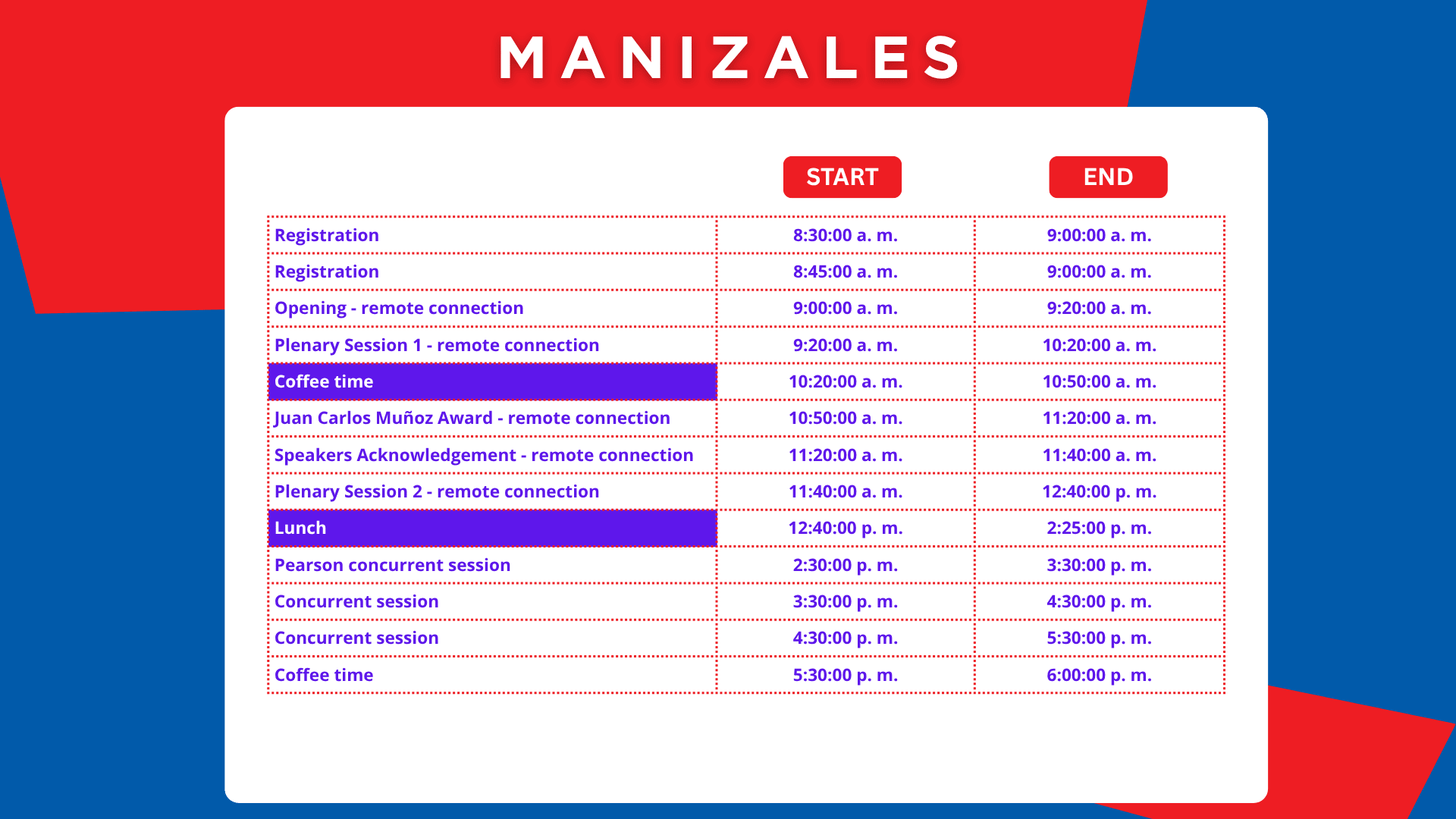
Schedule
Event Types
Session Categories
15:30 - 16:30
Nurturing Independent Listening Skills in ESL. (WS)
Jose Fernando Fridman Giraldo
 Jose Fernando Fridman Giraldo
As ESL educators, fostering learning autonomy,(FLA) is esencial to developing students comunicative competence, particularly in the often overlooked area of listening skills. This session focuses on practical strategies to promote learning autonomy that empowers students to take ownership of their listening communicative development. We will explore how training learners in listening activities, can build their confidence and self awareness in authentic listening tasks.
Available seats: 5
Empowering ELT Through Multidisciplinarity and Differentiated Instruction for Inclusive Learning (WS)
Daniel Mesa Marulanda
 Daniel Mesa Marulanda
This workshop shows how multidisciplinarity can improve English Language Teaching (ELT) with differentiated instruction. Using ideas from science, sociology, and the arts, teachers can adapt lessons for different learners, styles, and cultures. Learner-centered methods build inclusion, autonomy, and equity in multilingual classrooms. With real examples, the talk explains how interdisciplinary strategies help language growth, critical thinking, and global skills. Participants will get practical tools to design flexible ELT lessons that connect subjects and meet diverse learner needs.
Available seats: 0
16:30 - 17:30
Nurturing Independent Listening Skills in ESL. (WS)
Jose Fernando Fridman Giraldo
Jose Fernando Fridman Giraldo
As ESL educators, fostering learning autonomy,(FLA) is esencial to developing students comunicative competence, particularly in the often overlooked area of listening skills. This session focuses on practical strategies to promote learning autonomy that empowers students to take ownership of their listening communicative development. We will explore how training learners in listening activities, can build their confidence and self awareness in authentic listening tasks.
Available seats: 0
Empowering ELT Through Multidisciplinarity and Differentiated Instruction for Inclusive Learning (WS)
Daniel Mesa Marulanda
Daniel Mesa Marulanda
This workshop shows how multidisciplinarity can improve English Language Teaching (ELT) with differentiated instruction. Using ideas from science, sociology, and the arts, teachers can adapt lessons for different learners, styles, and cultures. Learner-centered methods build inclusion, autonomy, and equity in multilingual classrooms. With real examples, the talk explains how interdisciplinary strategies help language growth, critical thinking, and global skills. Participants will get practical tools to design flexible ELT lessons that connect subjects and meet diverse learner needs.
Available seats: 5
Eje Cafetero
Schedule
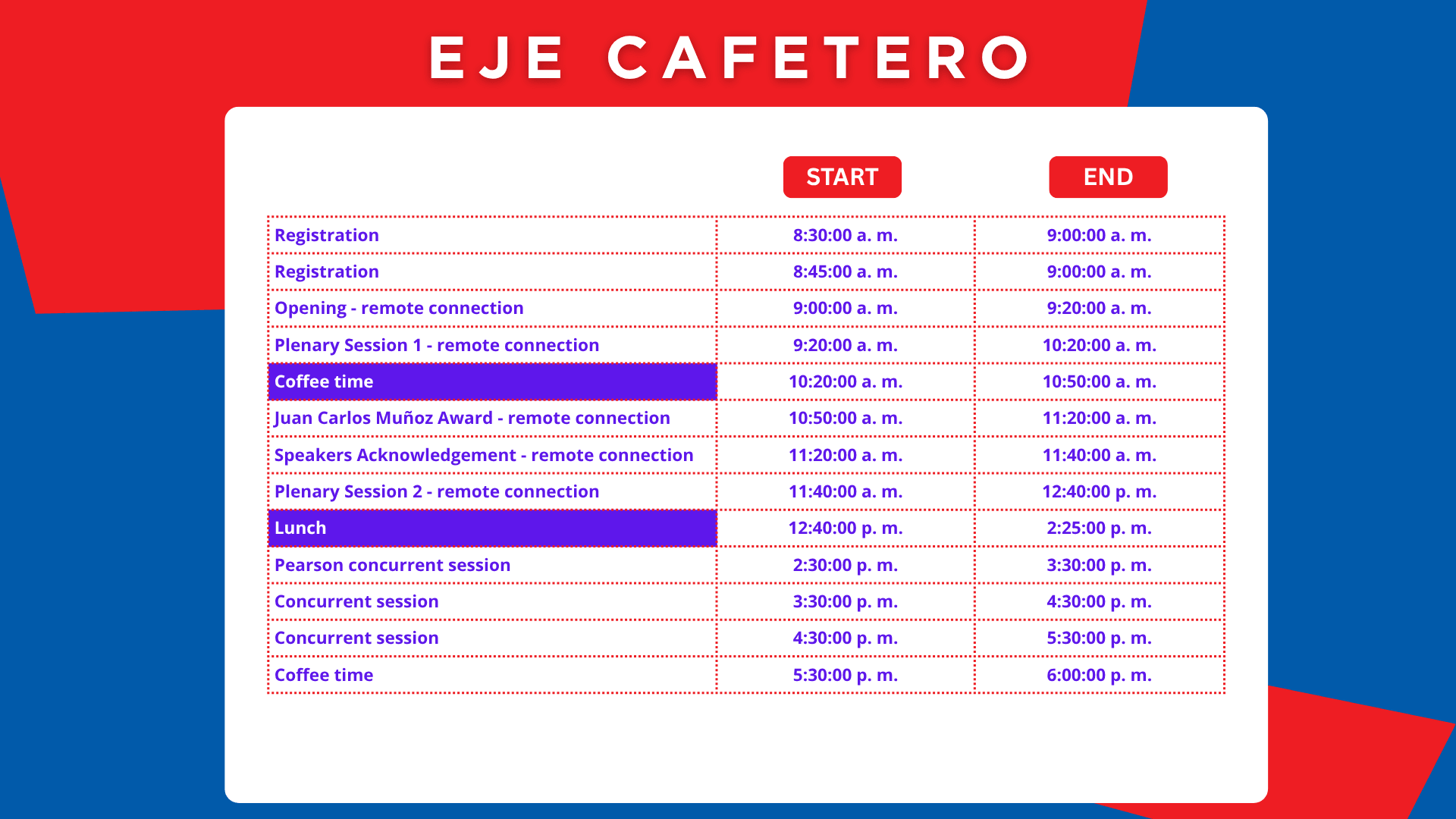
Event Types
Session Categories
15:30 - 16:30
Language Learning as Social Act: Mentorship Within Sociolcultural Context (ES)
Santiago Garay Castrillon
 Santiago Garay Castrillon
This session invites language educators to explore how language learning and mentorship are deeply social and collaborative processes. From a sociocultural outlook, we will examine practical ways to support learners and colleagues through guided interaction, cultural awareness, and meaningful dialogue. Key concepts will be brought to the spotlight through classroom and mentoring examples. Attendees will leave with practical tools to foster critical thinking, growth, confidence, and support teacher development as an interactive journey grounded in shared understanding and purposeful connection.
Available seats: 17
Video Games and Artificial Intelligence to Foster Students Communication (ES)
Manuel Camilo Loaiza Quintero
 Manuel Camilo Loaiza Quintero
This session explores how the integration of video games and artificial intelligence can foster English language learners’ communication skills. Through classroom-tested strategies, participants will discover how digital tools can boost student engagement, motivation, and fluency. The session highlights real classroom experiences where learners interact, collaborate, and build confidence in speaking. It also addresses challenges such as age-related preferences and access. Attendees will leave with practical ideas for incorporating technology to support meaningful communication in diverse educational contexts
Available seats: 17
Implementing Theatrical Strategies in the Classroom to Humanize Teaching (WS)
Lady Lorena Romero Zuluaga
 Lady Lorena Romero Zuluaga
The session aims to inspire educators to reflect on using theatrical strategies that support not only linguistic development but also the human experience at the heart of teaching and learning. This workshop seeks to portray how theater didactics can humanize language education by fostering empathy toward second language learners. Through a series of creative activities, participants will be invited to reflect on teaching practices that include the social dimensions of language learning and to engage in collaborative exercises promoting resilience.
Available seats: 17
Gamification and Game-based teaching: sources of motivation in EFL classrooms. (RT)
Darlyn Nathalia Gonzalez, Guillermo Clavijo Tapasco
 Darlyn Nathalia Gonzalez
 Guillermo Clavijo Tapasco
Given learners’ difficulties with traditional methods, it is necessary to implement interactive and meaningful strategies tailored to their needs and abilities. Gamification and game-based learning have proven to be effective in fostering language acquisition through engaging experiences. This presentation explores the definitions, key components, and tools associated with both approaches, highlighting their differences and pedagogical value. By analyzing these frameworks, teachers will gain insights into designing dynamic, learner-centered lessons that enhance motivation and participation while aligning with modern educational practices.
Available seats: 17
16:30 - 17:30
Behind the Screen: Real Connections in Virtual Learning. (ES)
Juan Daniel Trejos Vallejo
 Juan Daniel Trejos Vallejo
The presentation shows practical awareness from the experience teaching in virtual environments, focusing on strategies to encourage motivation and student engagement. In consequence of real classroom ennvironments, I reflect on how to overcome emotional and cognitive challenges, focusing on the role of empathy, meaningful feedback, and motivation. Attendees will gain triable ideas to humanize online methods and inspire learning in ELT contexts.
Available seats: 17
Change Your Words, Change Their Minds: NLP for Teachers (WS)
Veronica Franco Bedoya
 Veronica Franco Bedoya
This workshop provides mentors with an introduction to the fundamentals of Neuro-Linguistic Programming (NLP) and its significance in mentoring through language. Participants will examine how limiting beliefs, often rooted in childhood, impact students’ learning and self-perception. The workshop also addresses how a teacher’s language can reshape these beliefs, thereby significantly enhancing the learner’s confidence and motivation. Through interactive activities, attendees will acquire practical, NLP-informed strategies to refine their communication and foster student growth by using intentional and empowering language.
Available seats: 17
Teacher talk that retains: Empathy meets Assertiveness (ES)
Carolina Velasquez Rodriguez
 Carolina Velasquez Rodriguez
This section explores the pivotal role of teacher discourse-grouded in empathy ans assertiveness-in re-engaging learners at risk of abandoning their English language studies. Through experience-sharing, I examine how empathetic assertiveness can function as an effective retention strategy in ELT. Drawing on my professional trajectory, I present reflective practices and communicative approaches that promote learner persistence, stregthen teacher-student rapport, and cultivate emotional resilience within the classroom.
Available seats: 17
An outsider’s perspective: Teaching English without an English career. (ES)
Santiago Hernandez Nieto
 Santiago Hernandez Nieto
The impostor syndrome, that feeling of not belonging that thrashes the confidence of many talented professionals, is a serious matter that’s not commonly discussed. In this experience sharing, the speaker will address how he, with nothing more than a Spanish diploma, has managed to overcome the difficulties of teaching another language. As well as that feeling of insecurity that great professionals ask at their lowest moments. I truly believe that the greatest (Artists, professionals, people, mentors) come from unusual circumstances, and though I dont pretend to say Im the best. I believe I come from an unusual circumstance. I would like to share this story with you.
Available seats: 17
Cali
Schedule
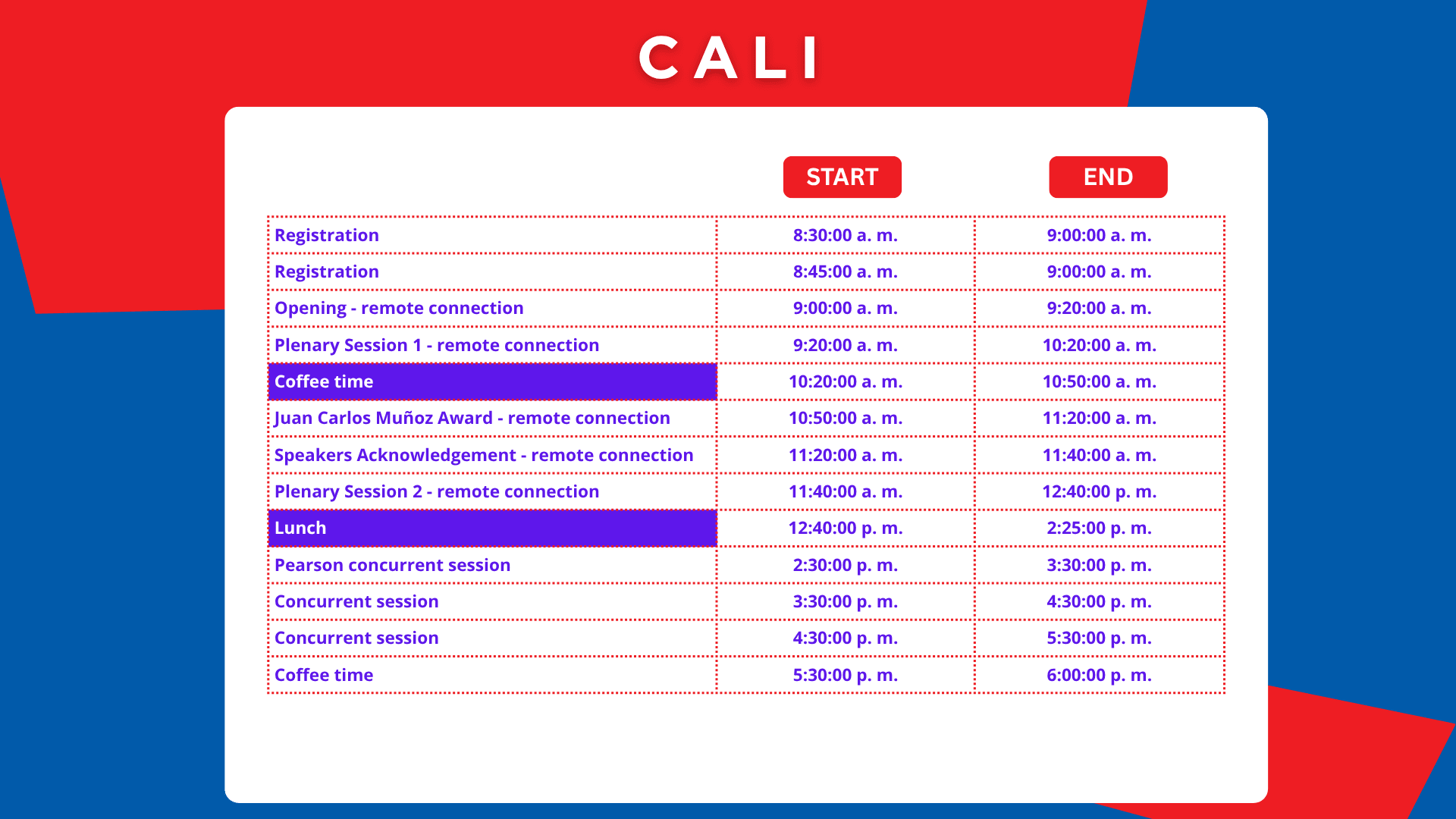
Event Types
Session Categories
15:30 - 16:30
Lighting the spark: How mentorship ignites motivation. (WS)
Maria Fernanda Ussa Garcia
 Maria Fernanda Ussa Garcia
Each of us carries a flame—unique and capable of igniting others. In teaching, our passion becomes the fire that awakens motivation in students. This workshop explores how sustaining our own flame allows us to inspire learners through mindset, environment, and mentor presence. Participants will gain practical strategies to build trust, foster autonomy, and guide students toward meaningful goals—leaving with useful tools and a little reminder to keep their own fire alive
Available seats: 4
Differential Teaching: Strategies for Teaching Students with Different Learning Styles. (RPP)
Mauricio Valencia Gonzalez, Kevin Yordan Escobar Guerrero
 Mauricio Valencia Gonzalez
 Kevin Yordan Escobar Guerrero
Effective English instruction requires adapting strategies to accommodate diverse learning styles. Visual, auditory, kinesthetic, and reading/writing learners benefit from varied techniques such as visual aids, interactive discussions, hands-on activities, and reflective writing. Understanding these styles fosters a more inclusive classroom and improves student engagement and retention. Teachers who diversify their methods not only address individual needs but also encourage active participation. This approach promotes language acquisition and supports all learners in achieving their full communicative potential.
Available seats: 5
16:30 - 17:30
Lighting the spark: How mentorship ignites motivation. (WS)
Maria Fernanda Ussa Garcia
Maria Fernanda Ussa Garcia
Each of us carries a flame—unique and capable of igniting others. In teaching, our passion becomes the fire that awakens motivation in students. This workshop explores how sustaining our own flame allows us to inspire learners through mindset, environment, and mentor presence. Participants will gain practical strategies to build trust, foster autonomy, and guide students toward meaningful goals—leaving with useful tools and a little reminder to keep their own fire alive
Available seats: 8
Differential Teaching: Strategies for Teaching Students with Different Learning Styles. (RPP)
Mauricio Valencia Gonzalez, Kevin Yordan Escobar Guerrero
Mauricio Valencia Gonzalez
Kevin Yordan Escobar Guerrero
Effective English instruction requires adapting strategies to accommodate diverse learning styles. Visual, auditory, kinesthetic, and reading/writing learners benefit from varied techniques such as visual aids, interactive discussions, hands-on activities, and reflective writing. Understanding these styles fosters a more inclusive classroom and improves student engagement and retention. Teachers who diversify their methods not only address individual needs but also encourage active participation. This approach promotes language acquisition and supports all learners in achieving their full communicative potential.
Available seats: 8
Villavicencio
Schedule
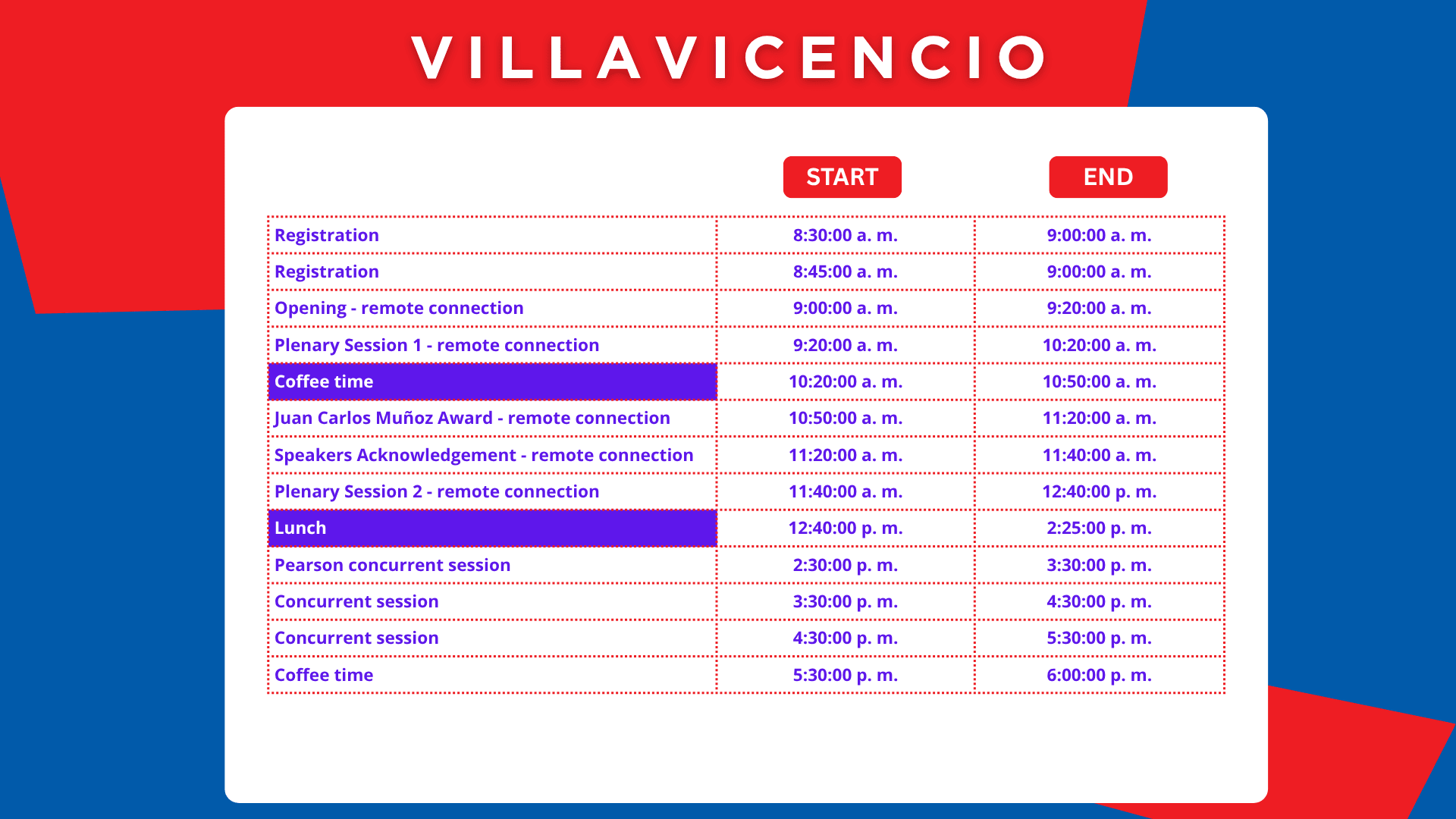
Event Types
Session Categories
15:30 - 16:30
Mentoring 101: Building a Great Mentor (WS)
Roberto Gonzalez Gimenez
 Roberto Gonzalez Gimenez
Mentors are individuals who act as guides and/or advisers by sharing their wisdom from a more experienced perspective. For this reason, they have played a very special role in civilizations throughout the history of mankind. However, for successful mentoring to take place, some traits such as listening, communication, and empathy, among others, are crucial. In this workshop, participants will engage in a series of activities for them to find out and analyze such traits that constitute a great mentor.
Available seats: 2
Mentorship-Centered Language Learning Humanizing Voice, Identity, Agency and Belonging.. (RT)
Ines Eugenia Caldas Cuesta
 Ines Eugenia Caldas Cuesta
Mentorship as the transformative core of humanizing language education, guiding learners toward deeper identity, agency, and voice. We explore how structured mentoring relationships support culturally responsive language development through translanguaguing and vocabulary pedagogy, student-centered design ,and inclusive teaching practices. Participants co-design frameworks to embed relational mentorship alongside language instruction, building relational trust and student belonging. Drawing on research linking mentoring to emotional, social, and academic growth for emergent bilinguals. Attendees will leave with actionable strategies to humanize language classrooms.
Available seats: 3
16:30 - 17:30
From Experiences: Power of Guided Conversation in Language Learning (ES)
Renny Rene Rojas Lozada
 Renny Rene Rojas Lozada
Beyond grammar structures: How "Talk-Out" and Mentorships becoming english language learning, justifying the Abstract. Articulated with Personal Experience. This proposal is the perfect starting point. Articulate it with some experience, the goal is to show teachers that this methodology is not just a theoretical idea, but a proven strategy you have lived firsthand. Like scientific process STEAM, Somethig realy practical like Science, Technology, Engineering, and Mathematics.
Available seats: 0
Empowering Learners: Mentorships Human Touch in Language Education (ES)
Victor Alfonso Camacho Fuentes
 Victor Alfonso Camacho Fuentes
This presentation explores the profound impact of mentorship on 21st-century language learning. We´ll explore how meaningful guidance, rooted in engagement, steady consistency, and genuine relevance, truly connects with learners. Come discover dynamic, student-focused approaches that cultivate independence and achievement in our interconnected world. Together, let´s reimagine language education for a brighter future
Available seats: 3
Virtual
Schedule
Event Types
Session Categories
15:30 - 16:30
Unleashing your potential through breaking personal limits (ES)
Yeison Felipe Alvarez Garzon
 Yeison Felipe Alvarez Garzon
This presentation explores how pushing past self-imposed boundaries can unlock hidden abilities, ignite purpose, and transform personal growth. Through mindset shifts, practical strategies, and real-life examples, we’ll discover how to challenge comfort zones and turn limitations into stepping stones toward peak potential.
Available seats: 6
Bridging minds: AI mentorship for humanizing language learning spaces (ES)
Alexander Toro Ortiz
 Alexander Toro Ortiz
This presentation explores how AI can enhance, rather than replace, human connection in language education. By integrating AI—powered mentorship tools with empathetic teaching practices, educators can create more inclusive, personalized, and emotionally responsive learning environments. We examine practical strategies for using AI to support learner autonomy, track progress, and tailor deeper engagement—while maintaining the essential human touch. By inspiring a new Tech-driven strategy in which we as teachers can humanize our teaching environment for students.
Available seats: 1
Beyond classes: Lab Examiners contribution to Humanizing ASW English Teaching (ES)
Laura Natalia Torres Riobo
 Laura Natalia Torres Riobo
As a mentor member of the MEL and Autonomous Work area at ASW, I will share some takeaways from our experience, specifically what I have learned and how we contribute to students learning and ASW´s mission. I will cover strategies for success in our interactions with students, some findings from their tests and MEL performance, and tips to foster autonomous learning. I will also discuss the importance of feedback and self-reflection, and close with a call for betterment.
Available seats: 0
Speak Up! Transforming Virtual Bilingual Classrooms into Discourse Communities. (RPP)
Camilo Andres Sanchez Lopez
 Camilo Andres Sanchez Lopez
This study examines how the High Leverage Teaching Practice Building a Classroom Discourse Community (BCDC) is applied in virtual bilingual environments to enhance oral discourse competence in EFL students. Conducted at a Colombian language academy with 11 teachers, the qualitative case study identified three implementation strategies. Results show that BCDC can be effective virtually, especially when promoting active participation, contextualized language use, and collaboration. Success depends on instructional design, technology use, and teacher commitment to fostering inclusive, discourse-rich classrooms.
Available seats: 7
16:30 - 17:30
Unleashing your potential through breaking personal limits (ES)
Yeison Felipe Alvarez Garzon
Yeison Felipe Alvarez Garzon
This presentation explores how pushing past self-imposed boundaries can unlock hidden abilities, ignite purpose, and transform personal growth. Through mindset shifts, practical strategies, and real-life examples, we’ll discover how to challenge comfort zones and turn limitations into stepping stones toward peak potential.
Available seats: 3
Bridging minds: AI mentorship for humanizing language learning spaces (ES)
Alexander Toro Ortiz
Alexander Toro Ortiz
This presentation explores how AI can enhance, rather than replace, human connection in language education. By integrating AI—powered mentorship tools with empathetic teaching practices, educators can create more inclusive, personalized, and emotionally responsive learning environments. We examine practical strategies for using AI to support learner autonomy, track progress, and tailor deeper engagement—while maintaining the essential human touch. By inspiring a new Tech-driven strategy in which we as teachers can humanize our teaching environment for students.
Available seats: 2
Beyond classes: Lab Examiners contribution to Humanizing ASW English Teaching (ES)
Laura Natalia Torres Riobo
Laura Natalia Torres Riobo
As a mentor member of the MEL and Autonomous Work area at ASW, I will share some takeaways from our experience, specifically what I have learned and how we contribute to students learning and ASW´s mission. I will cover strategies for success in our interactions with students, some findings from their tests and MEL performance, and tips to foster autonomous learning. I will also discuss the importance of feedback and self-reflection, and close with a call for betterment.
Available seats: 8
Speak Up! Transforming Virtual Bilingual Classrooms into Discourse Communities. (RPP)
Camilo Andres Sanchez Lopez
Camilo Andres Sanchez Lopez
This study examines how the High Leverage Teaching Practice Building a Classroom Discourse Community (BCDC) is applied in virtual bilingual environments to enhance oral discourse competence in EFL students. Conducted at a Colombian language academy with 11 teachers, the qualitative case study identified three implementation strategies. Results show that BCDC can be effective virtually, especially when promoting active participation, contextualized language use, and collaboration. Success depends on instructional design, technology use, and teacher commitment to fostering inclusive, discourse-rich classrooms.
Available seats: 0
Speakers Through the Years
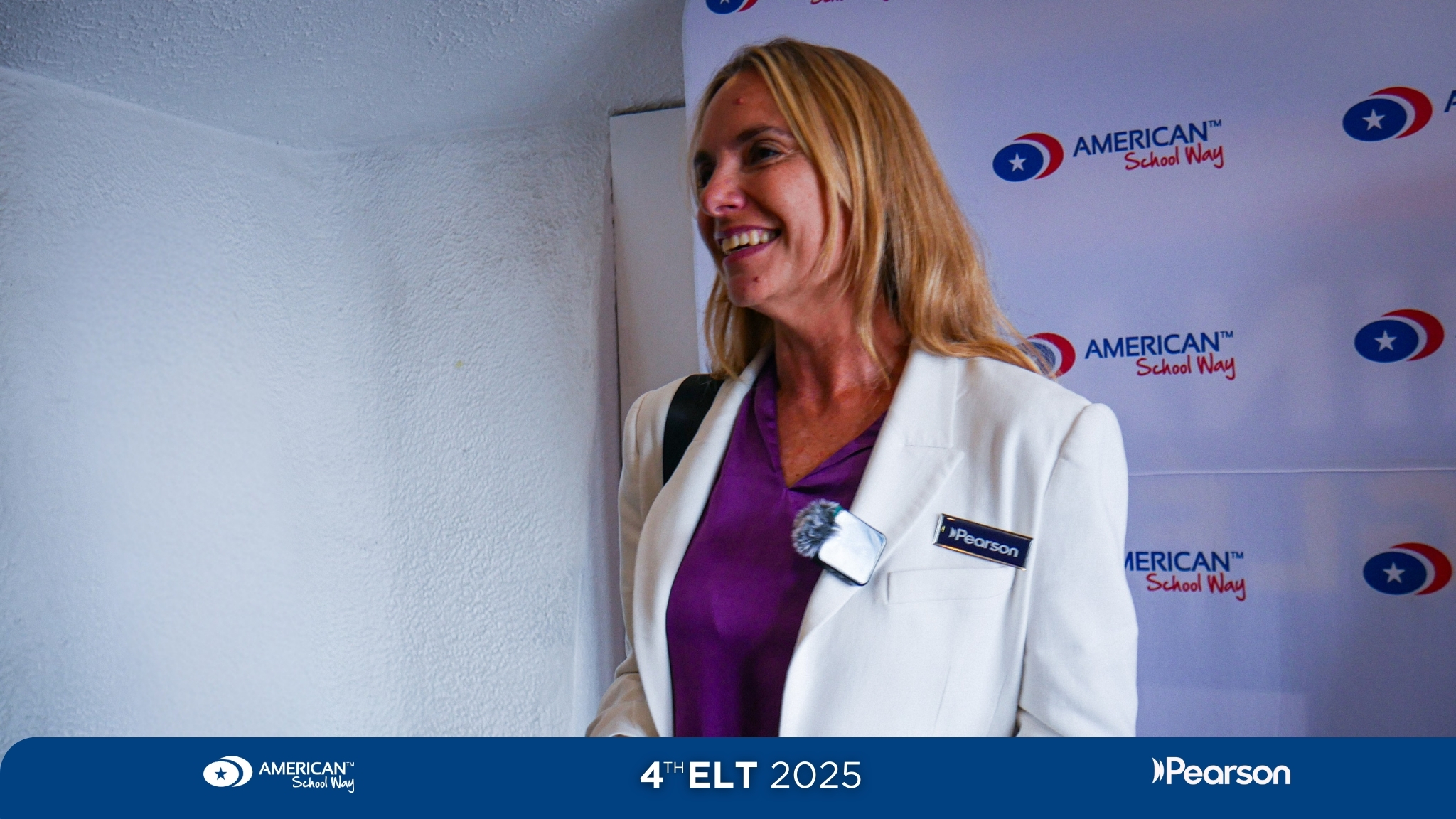
Mónica is an international speaker and professional trainer who helps organizations and educational institutions unlock their full potential through people-centered development strategies. Specialized in leadership, learning, and human skills, she has inspired audiences in 16+ countries. As an Executive Coach, facilitator, and university professor, she blends innovation with a deep understanding of human nature to elevate performance, energize teams, and transform learning experiences.
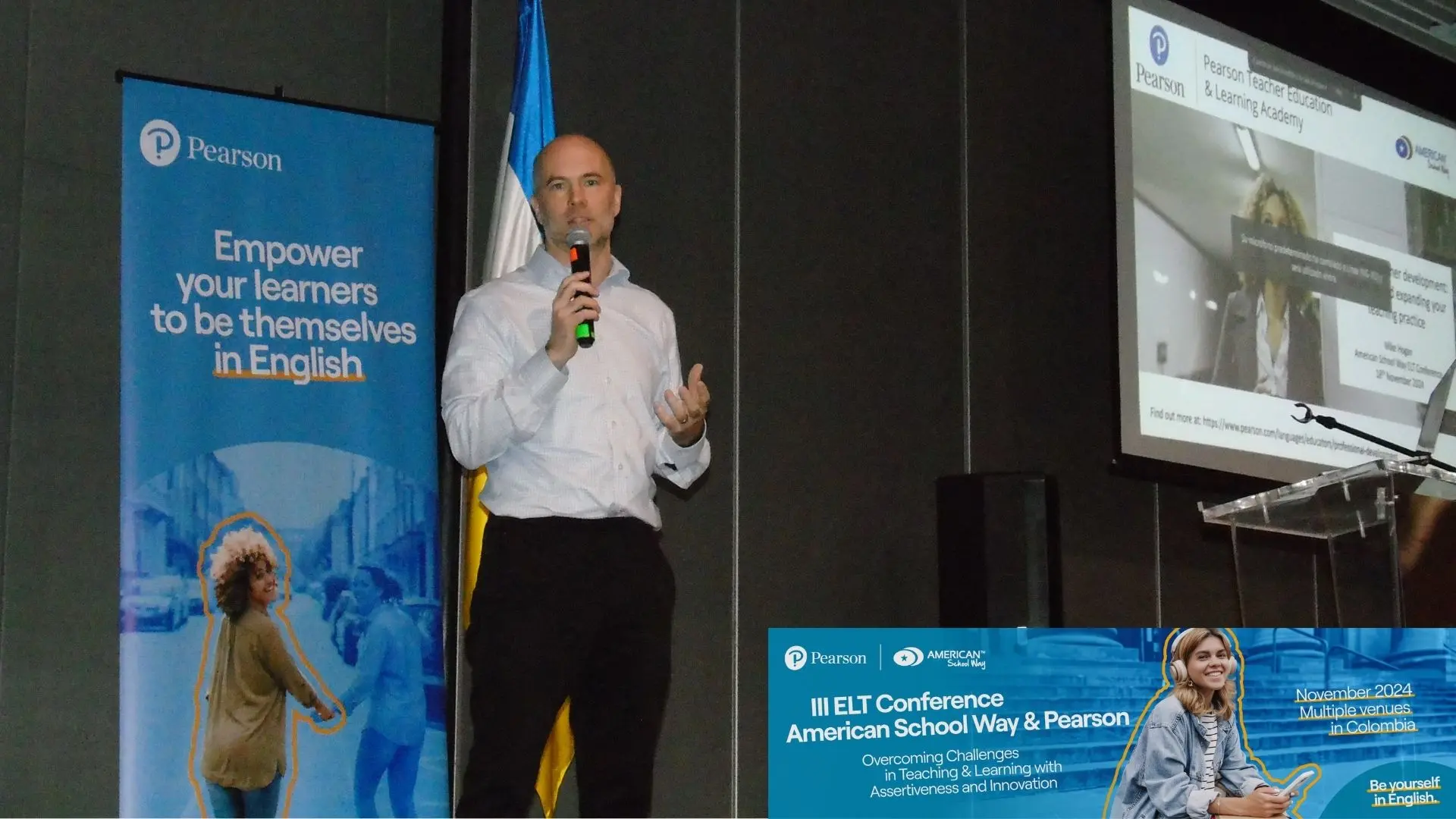
Mike Hogan is an experienced communication and leadership trainer with over 20 years supporting leaders and teams worldwide. Specializing in intercultural communication, performance enablement, and talent retention, he has worked with global brands like BMW, Nestlé, and Volkswagen in 25+ countries. Author of 15+ books on business communication and international leadership, he is dedicated to building effective global relationships and driving educational innovation.
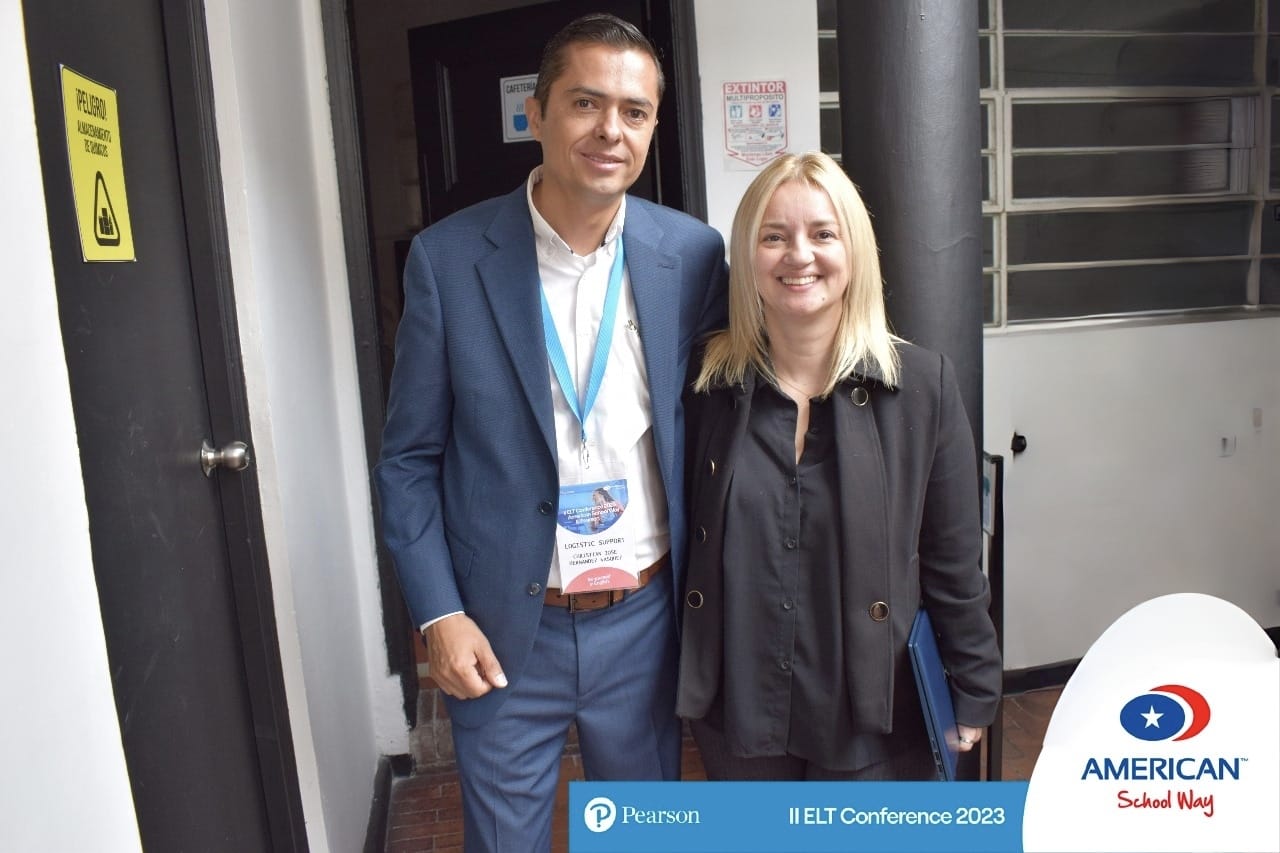
Nancy Reeves is an Academic Consultant at Pearson serving Central America, Colombia, and the Caribbean. With expertise in academic advising, curriculum design, and English, she is committed to transforming learning through innovation. As a PhD candidate, she integrates technology and digital literacy into language education, ensuring students develop strong literary skills alongside essential digital competencies. Her culturally aware approach empowers diverse learners to excel in a connected world.
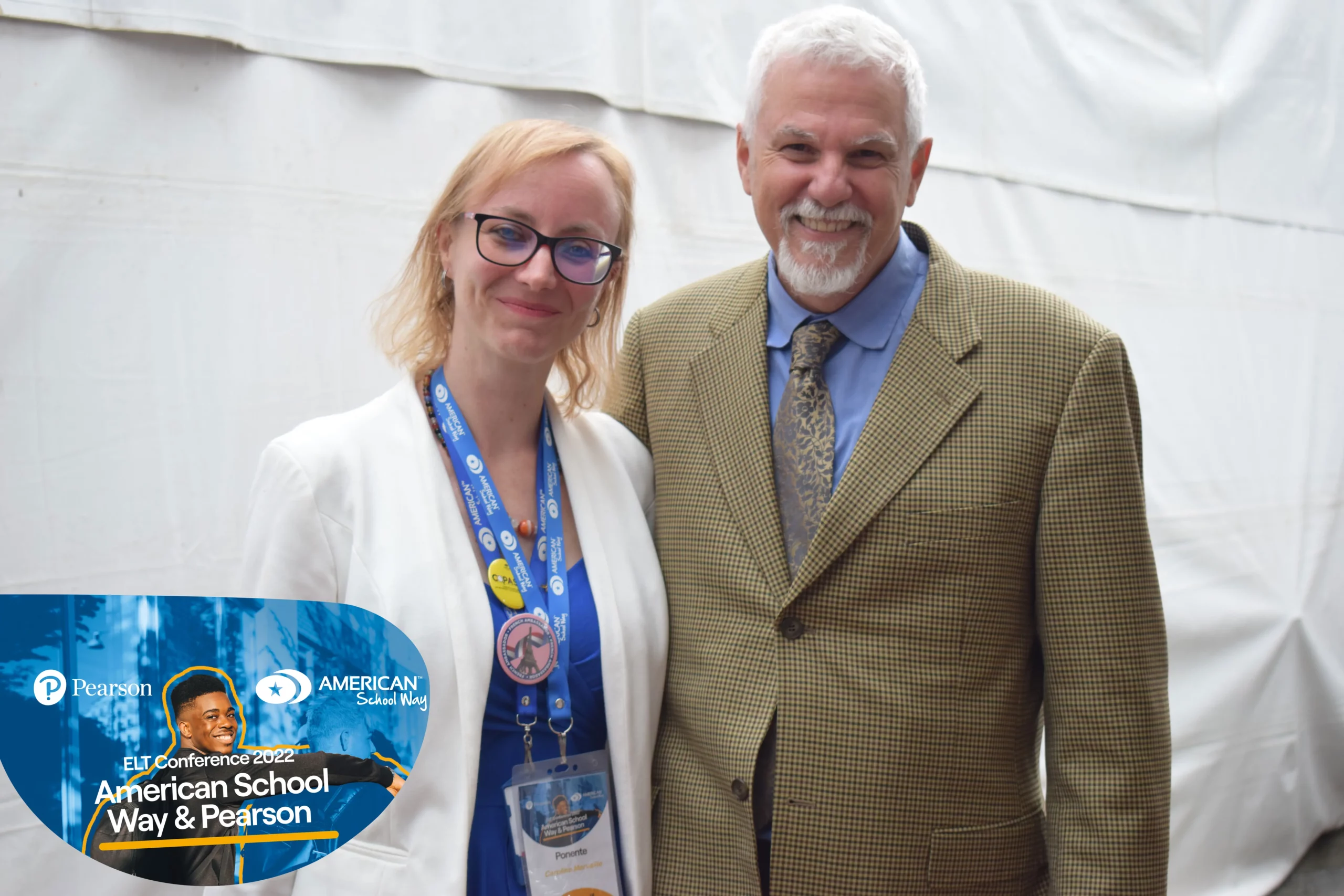
Ken Beatty is a leading authority in English language teaching, known for influential series like StartUp and LEAP, as well as titles such as Break Away Grammar and Teaching and Researching: Computer-assisted Language Learning. With over 500 presentations in 33 countries, he explores topics from educational technology to critical thinking in language learning. His many articles and webinars have shaped modern ELT practices, making him a key voice in advancing global language education.
Galleries
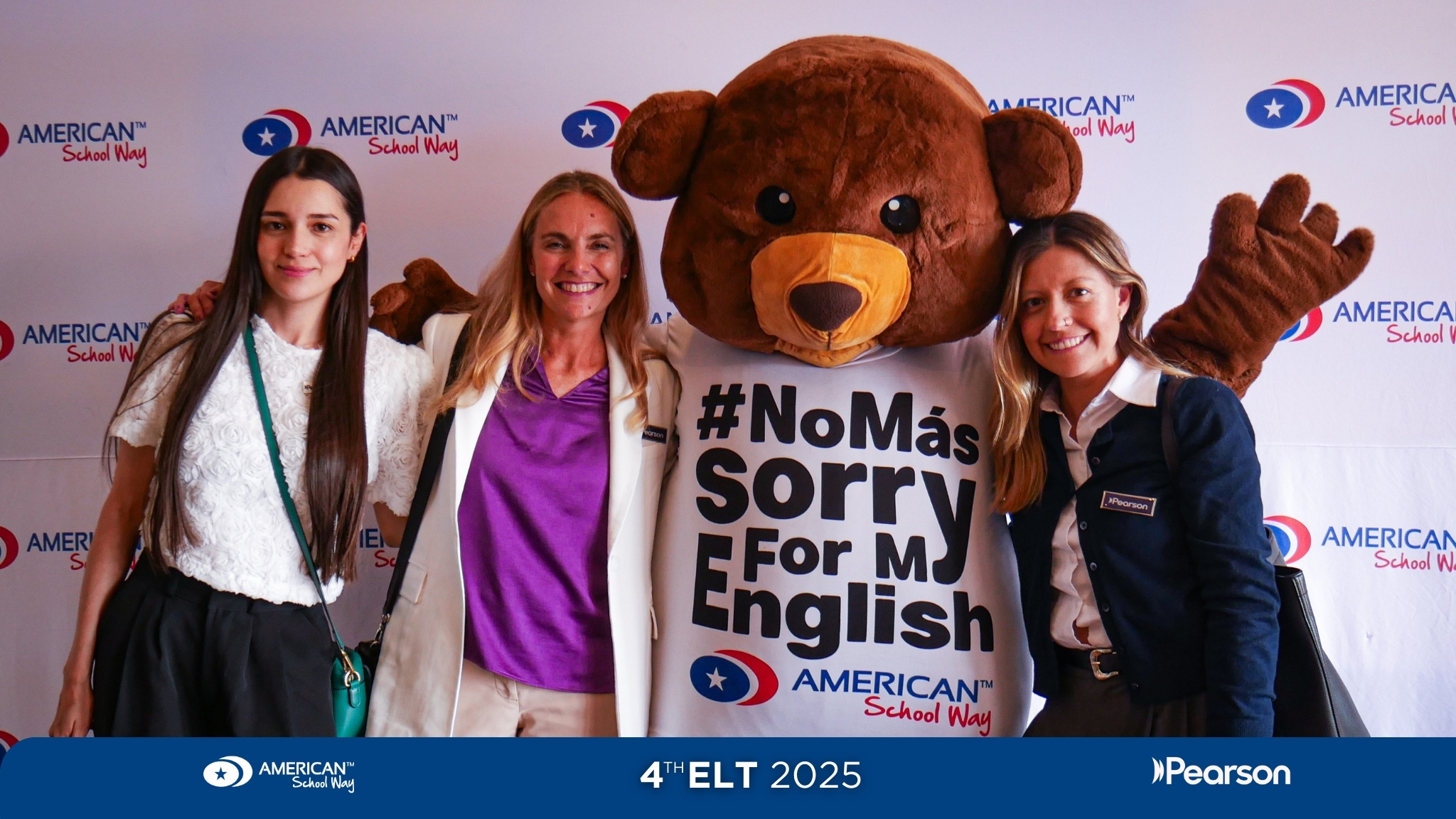
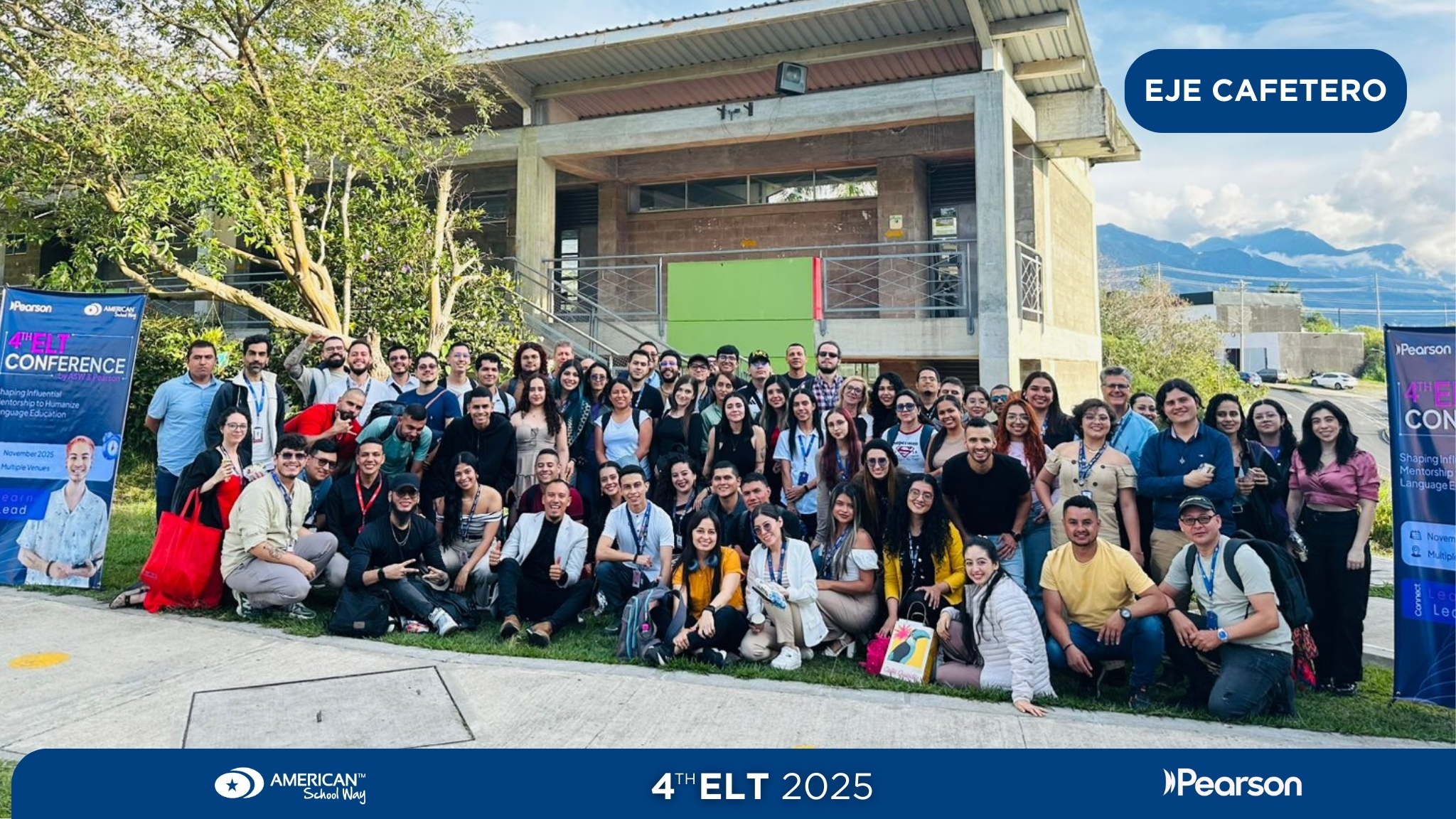
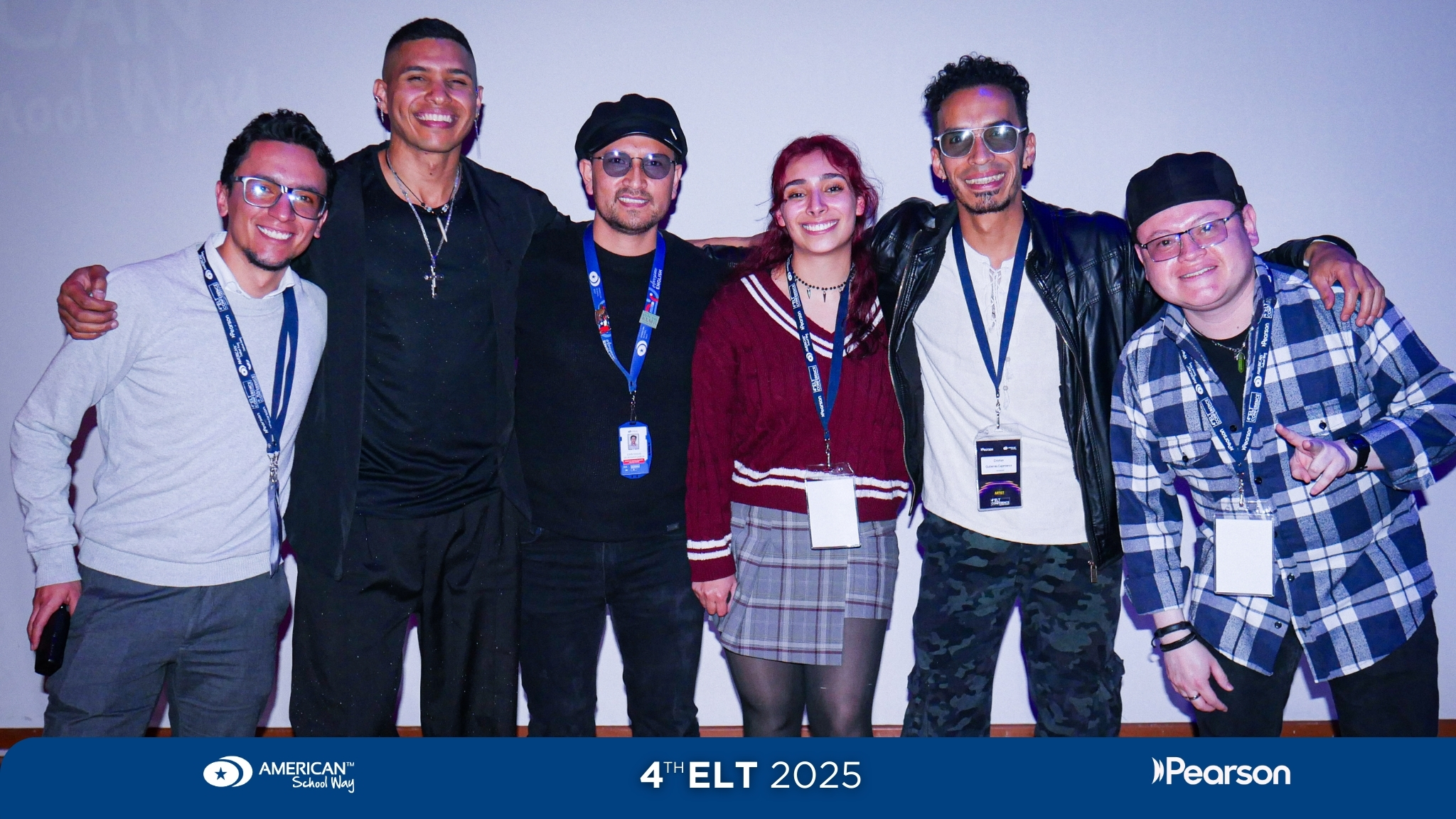
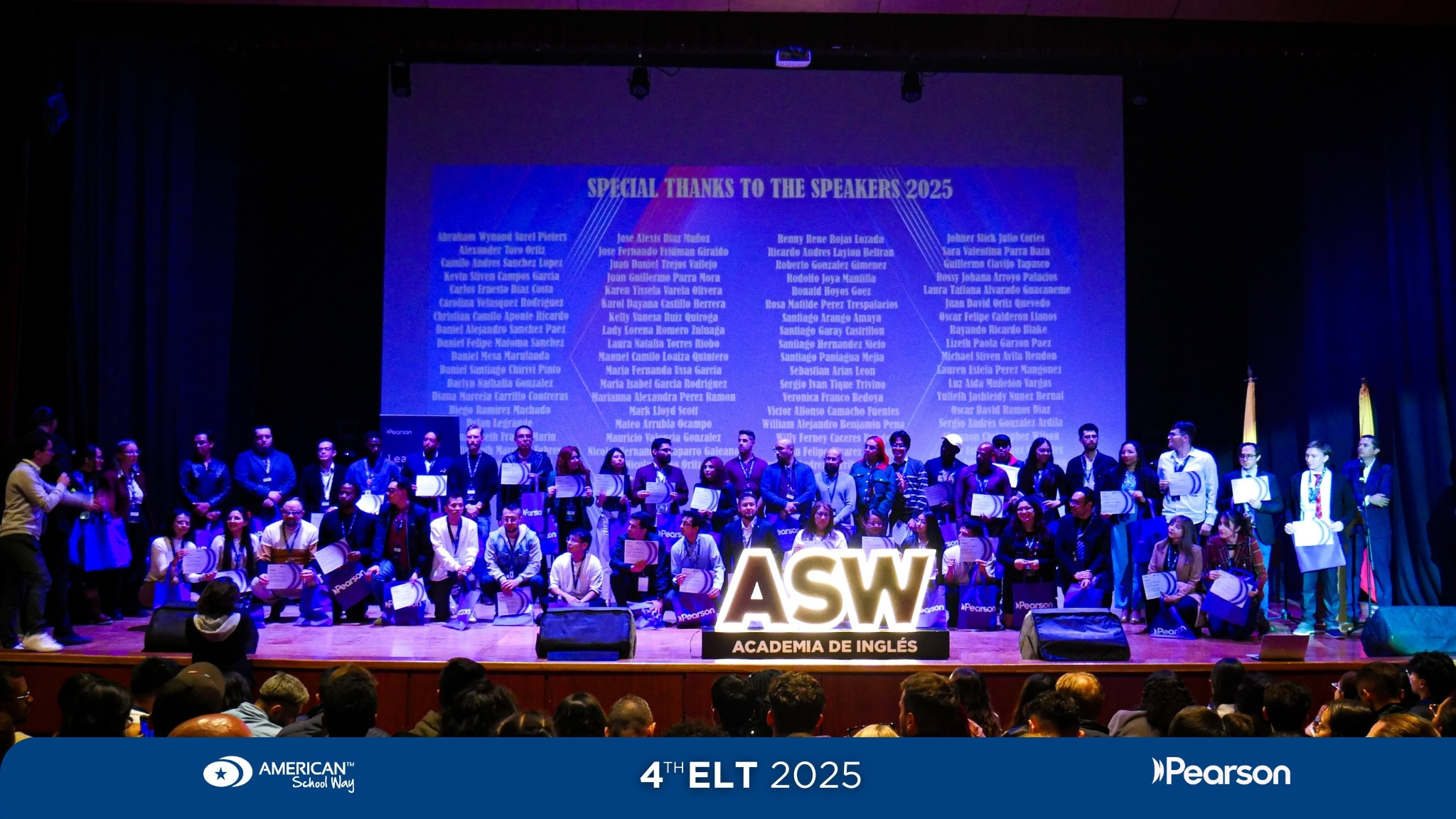
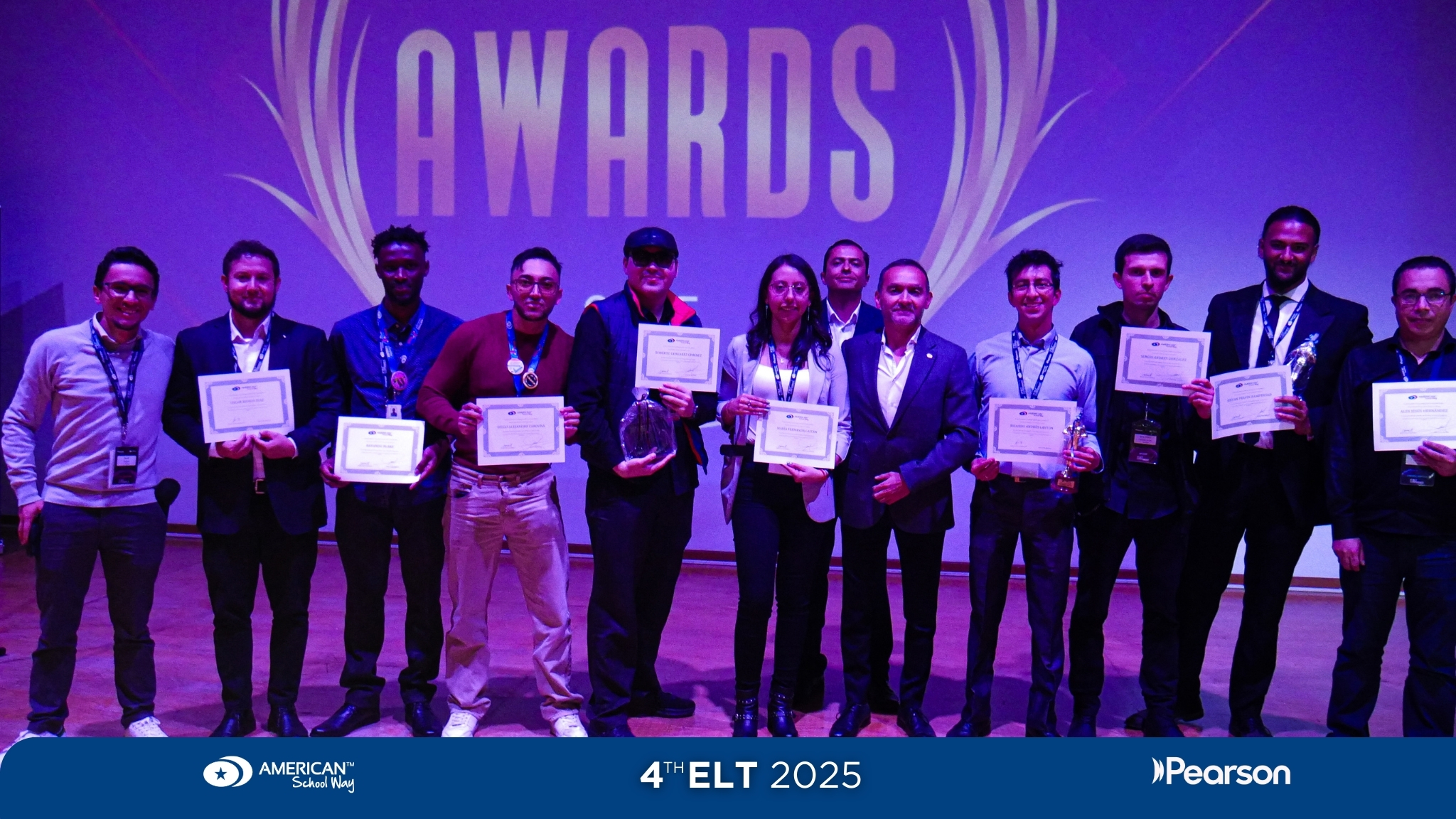
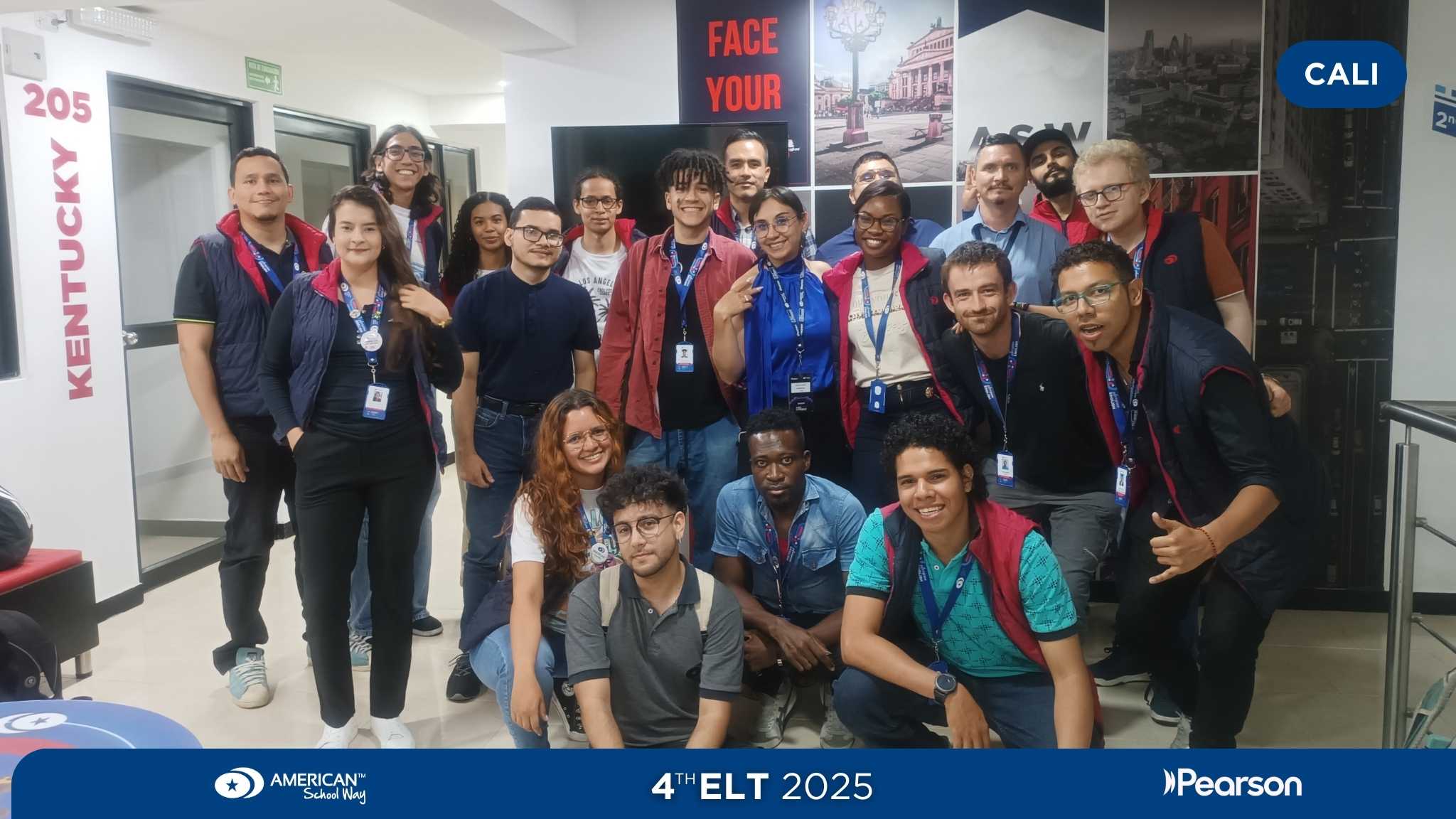
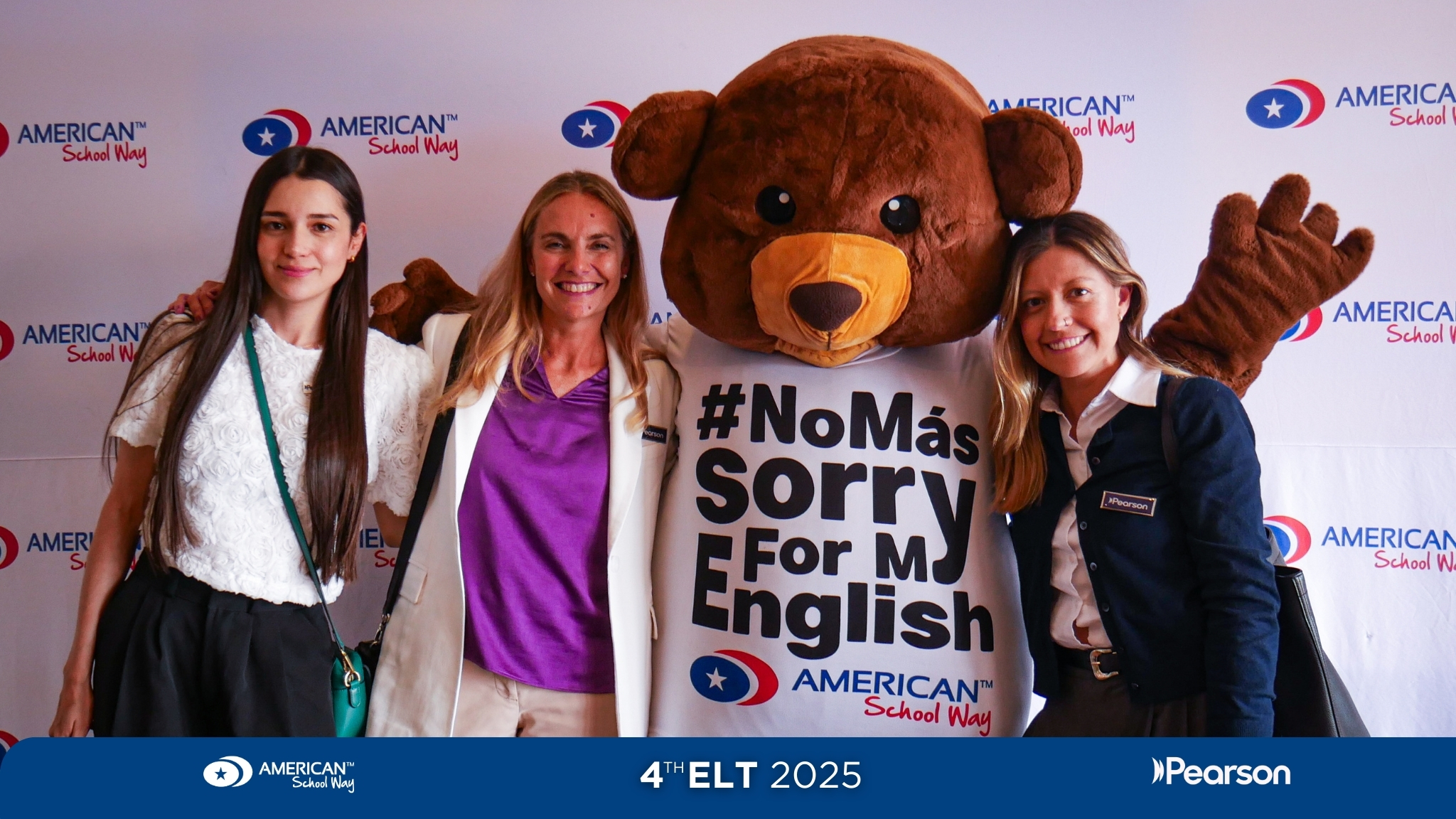
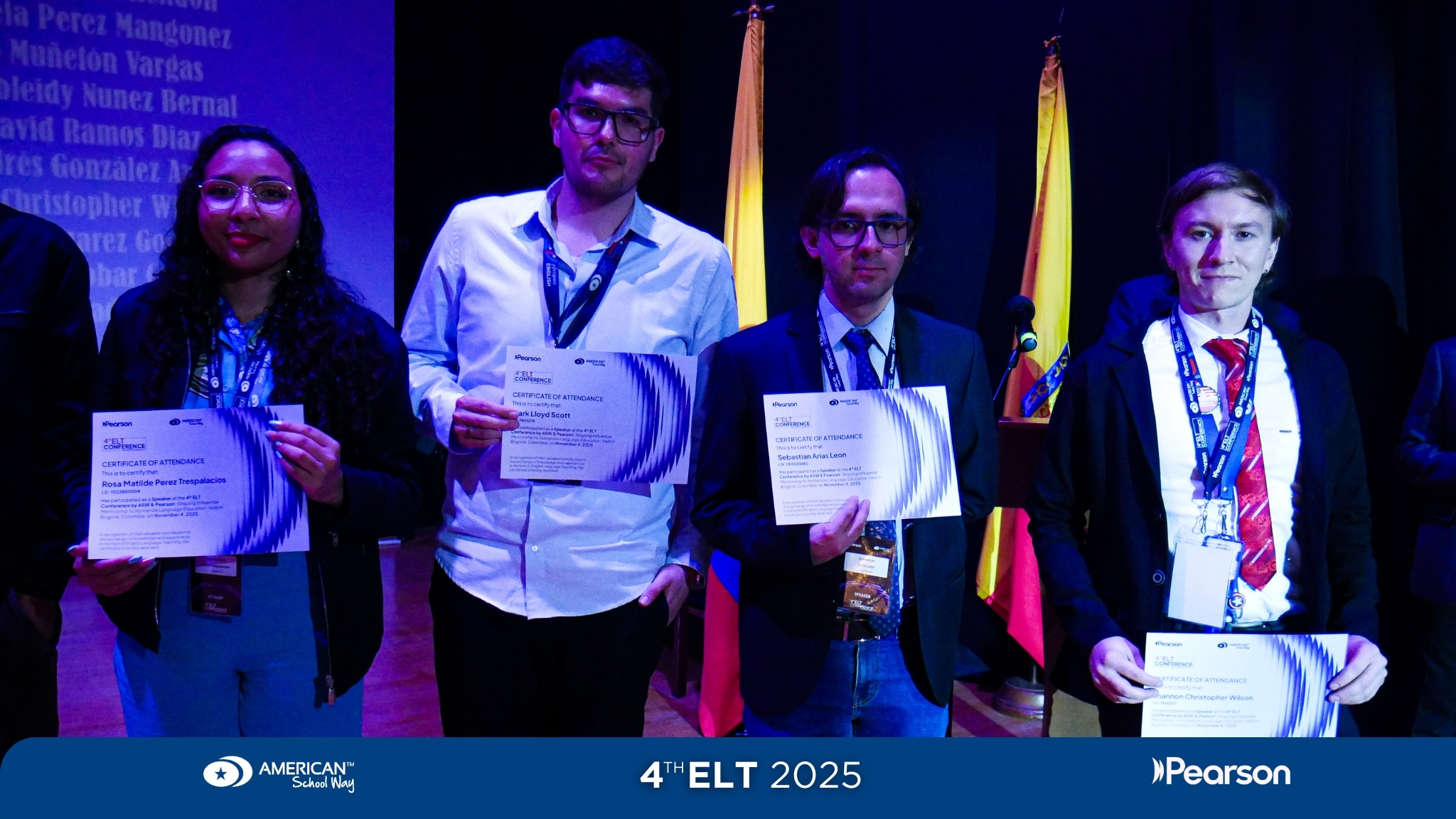
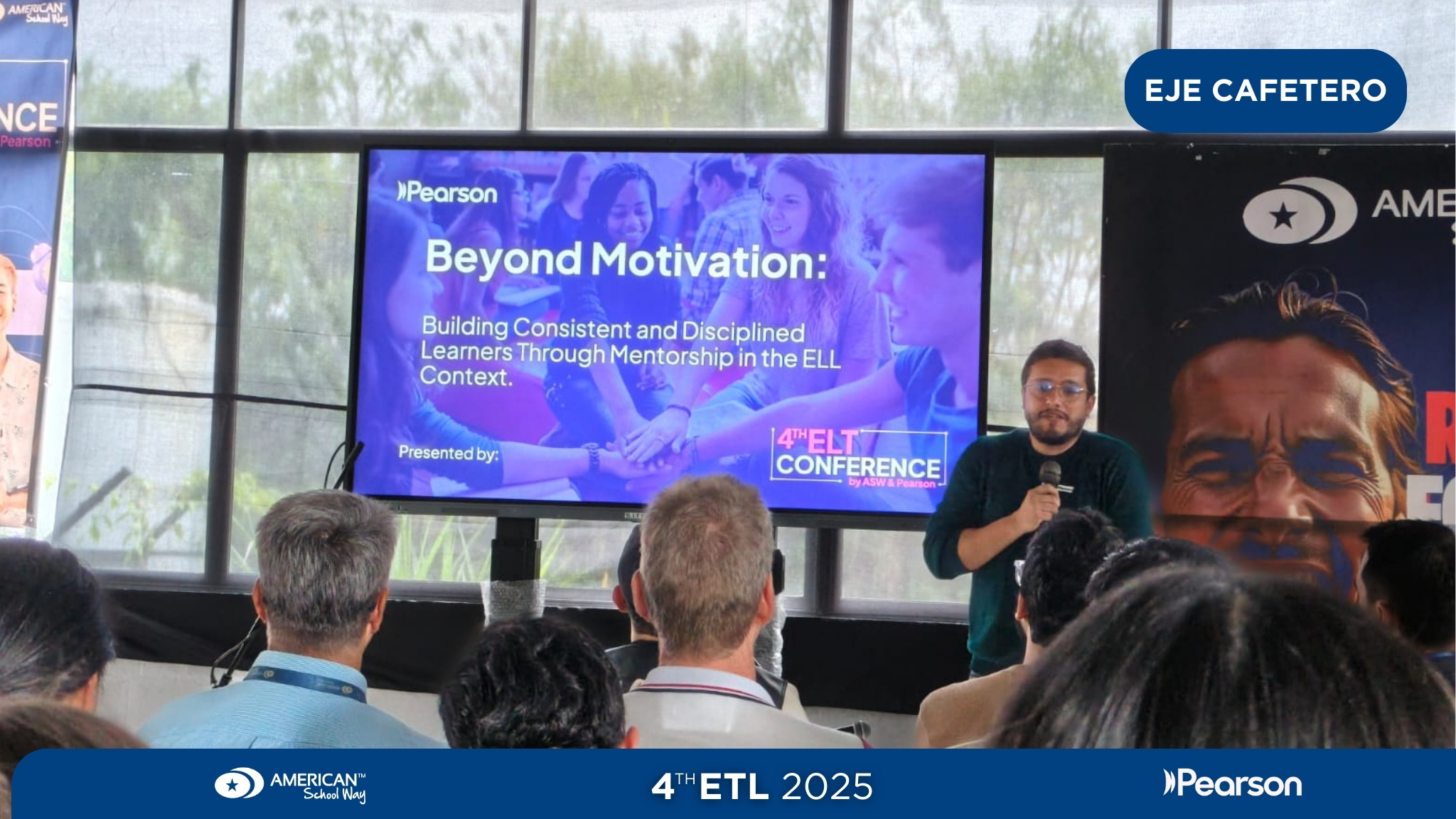
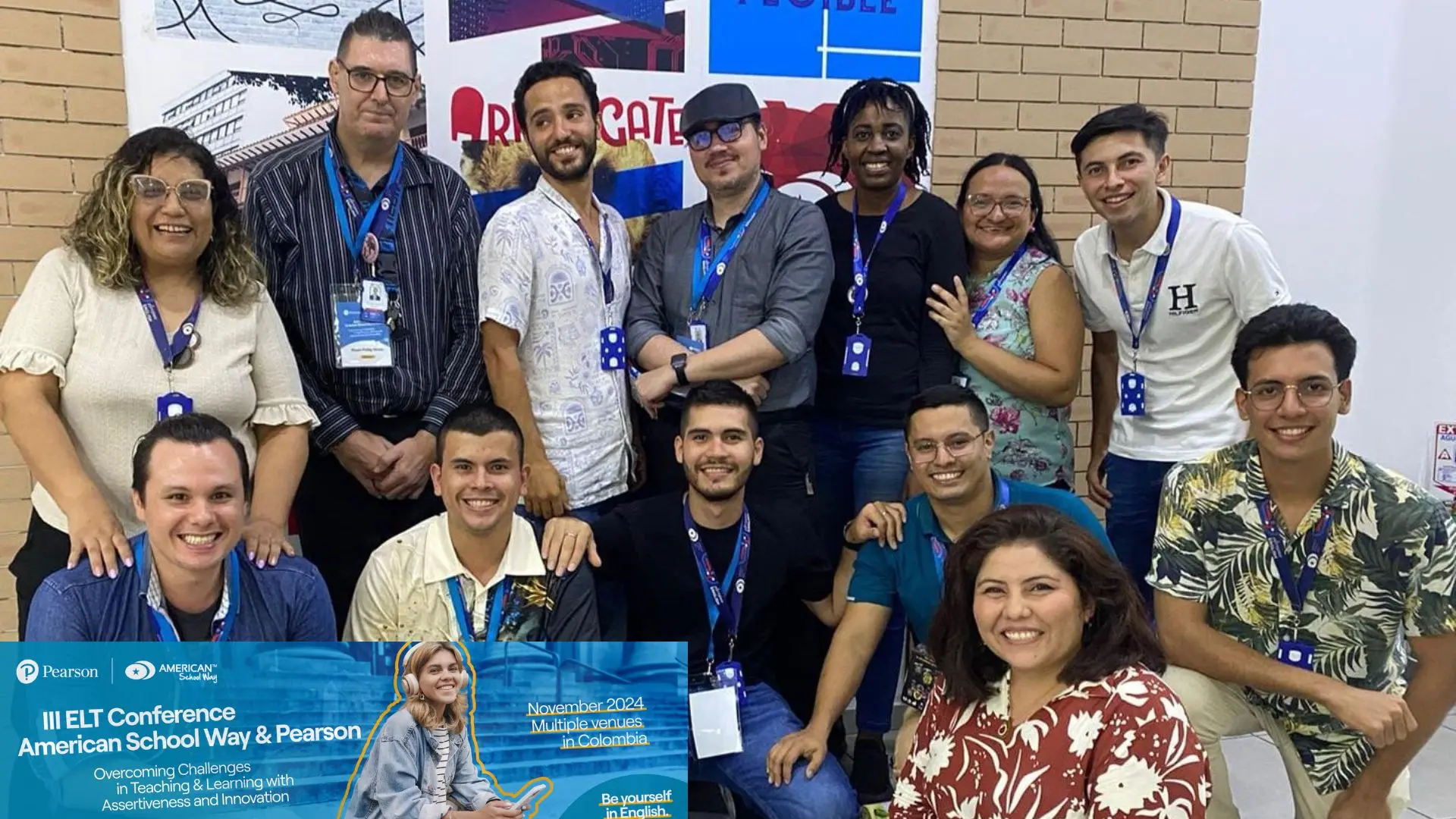
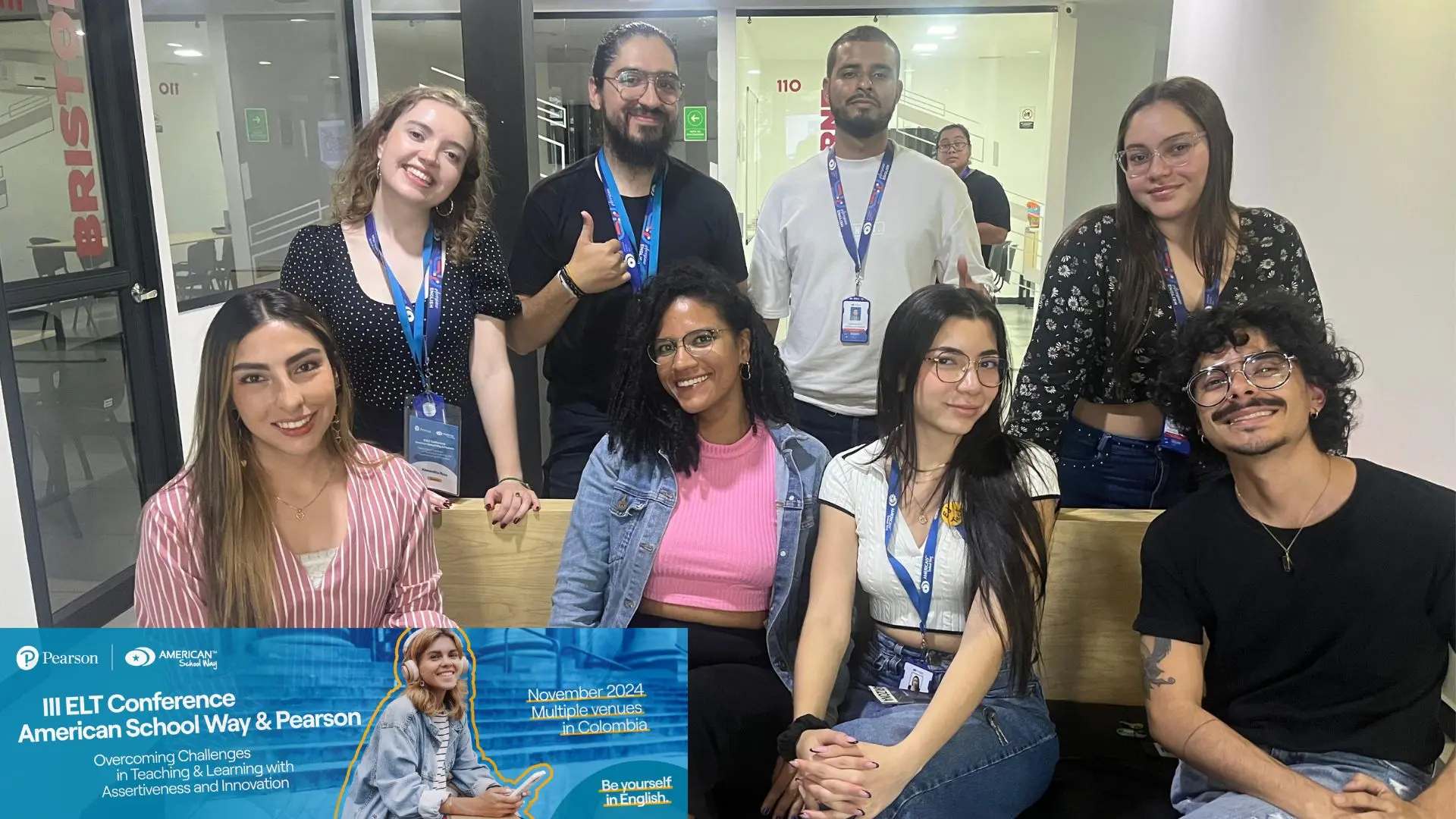
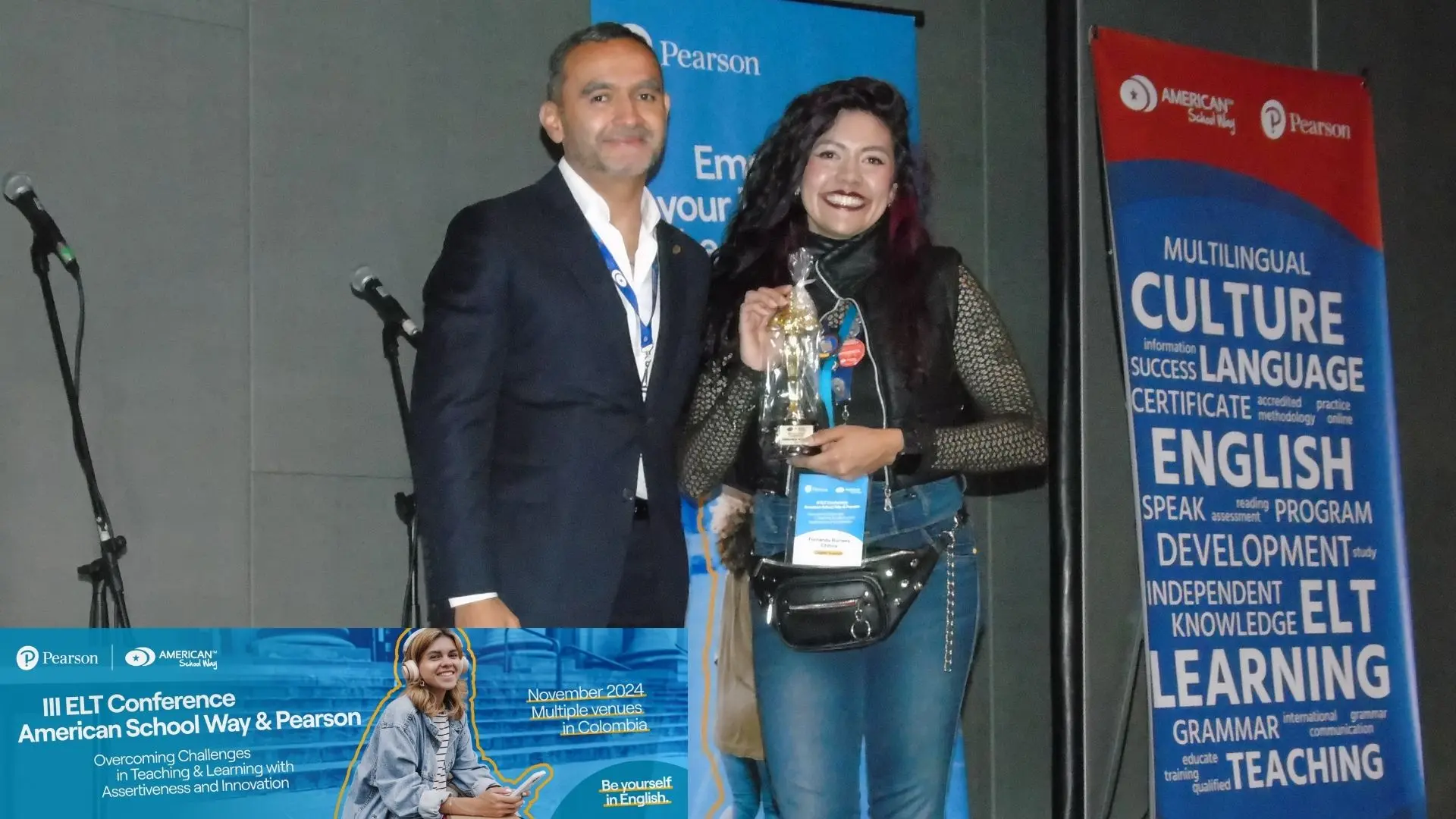
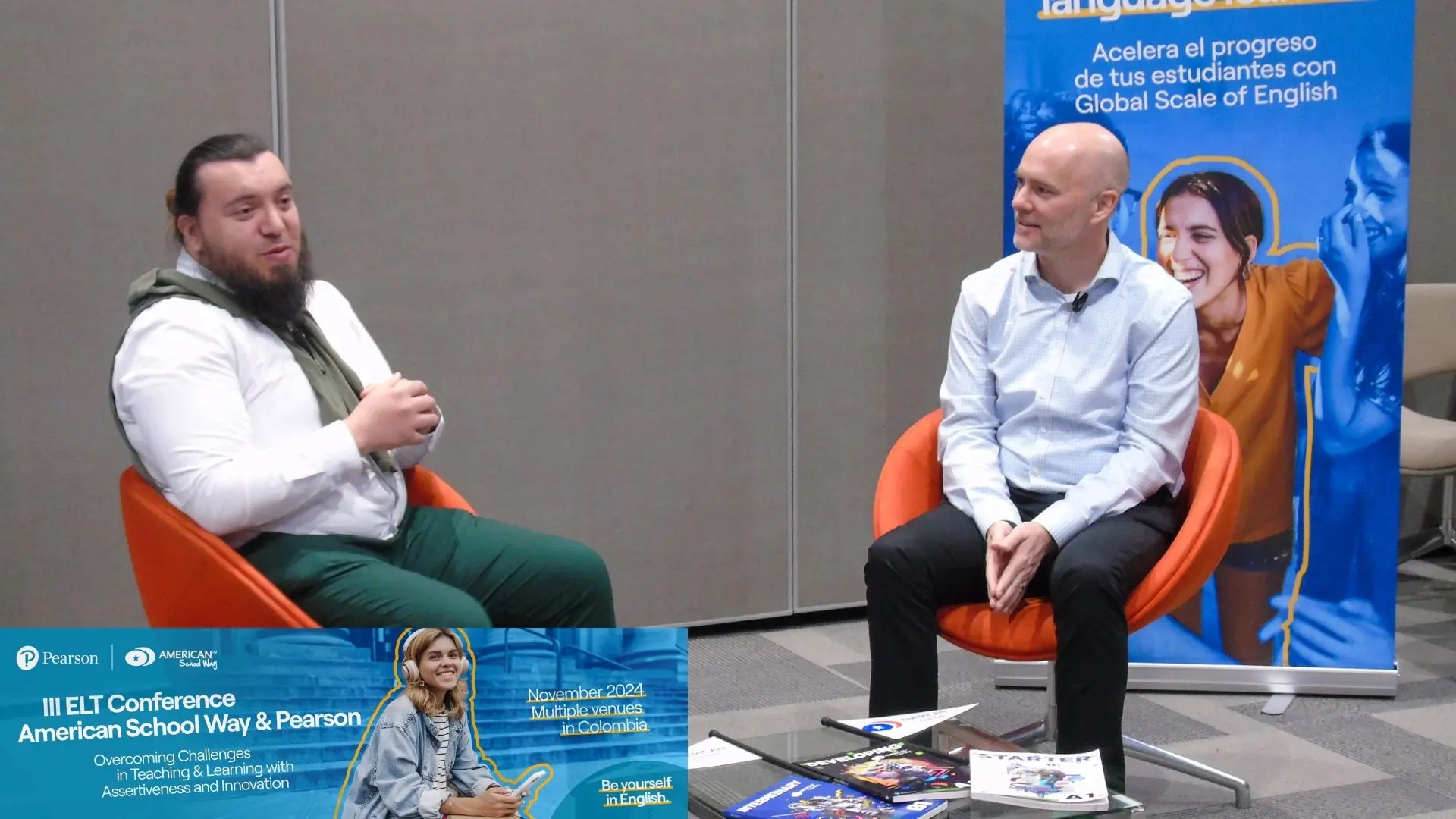
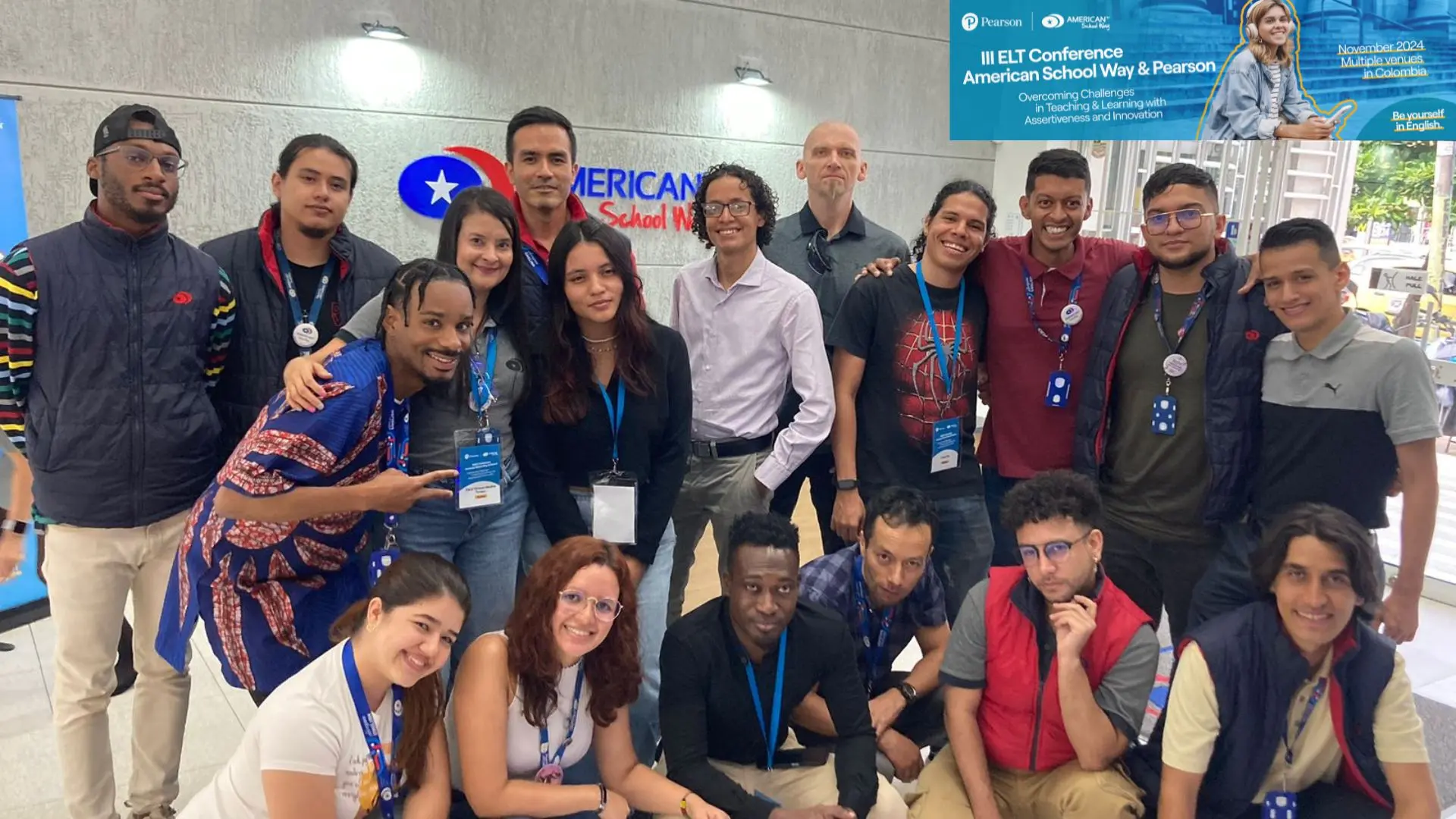
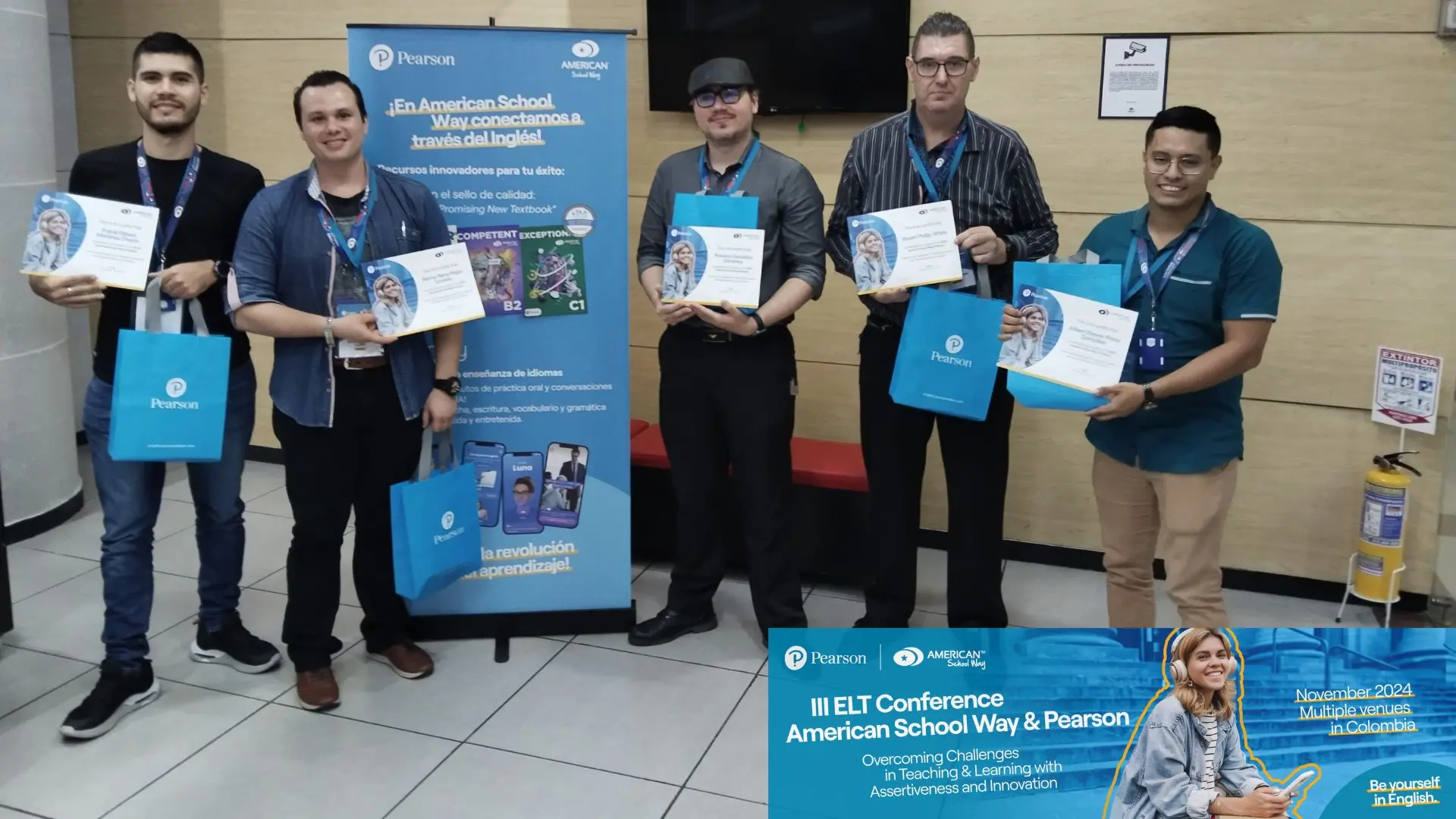
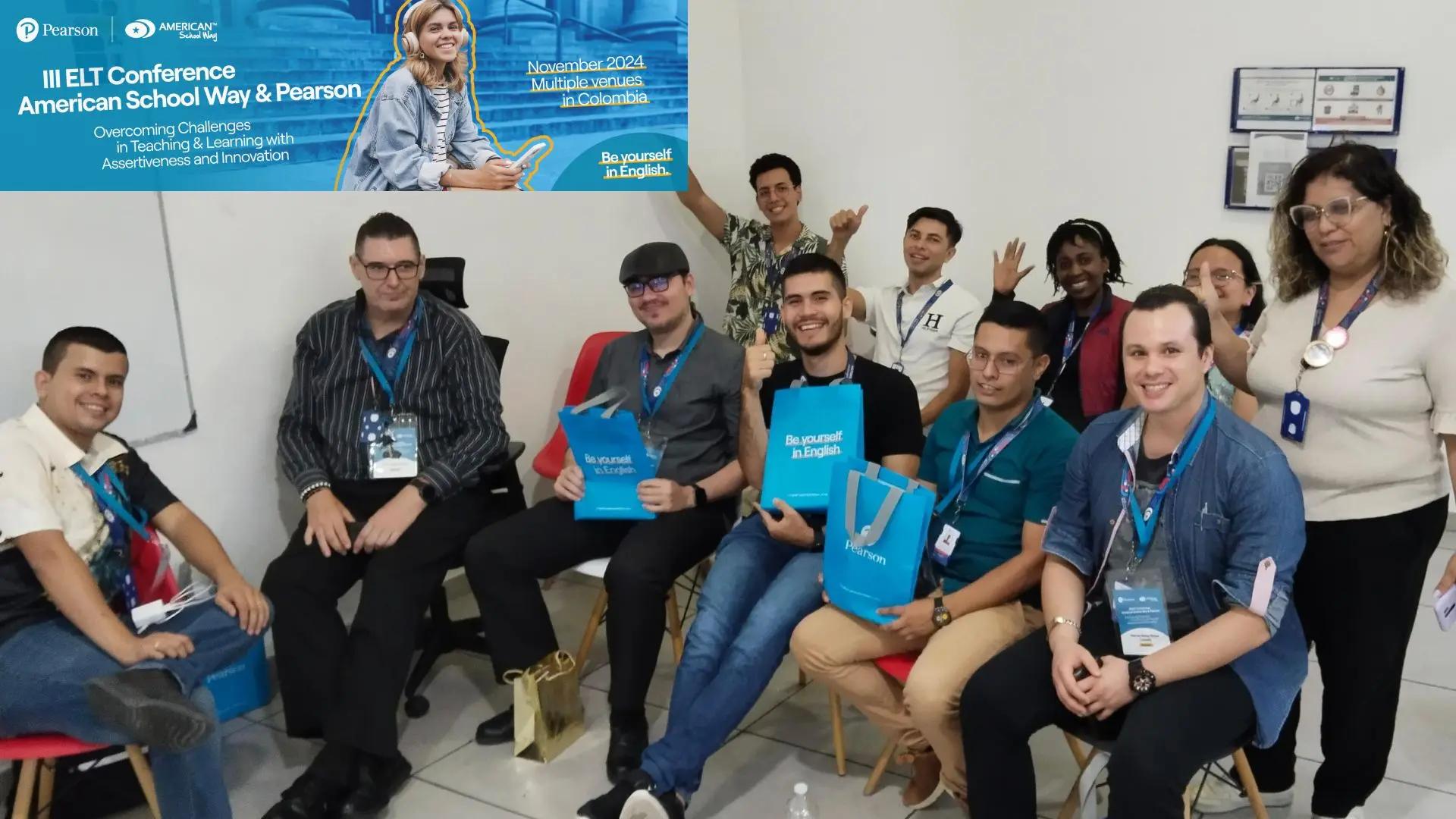
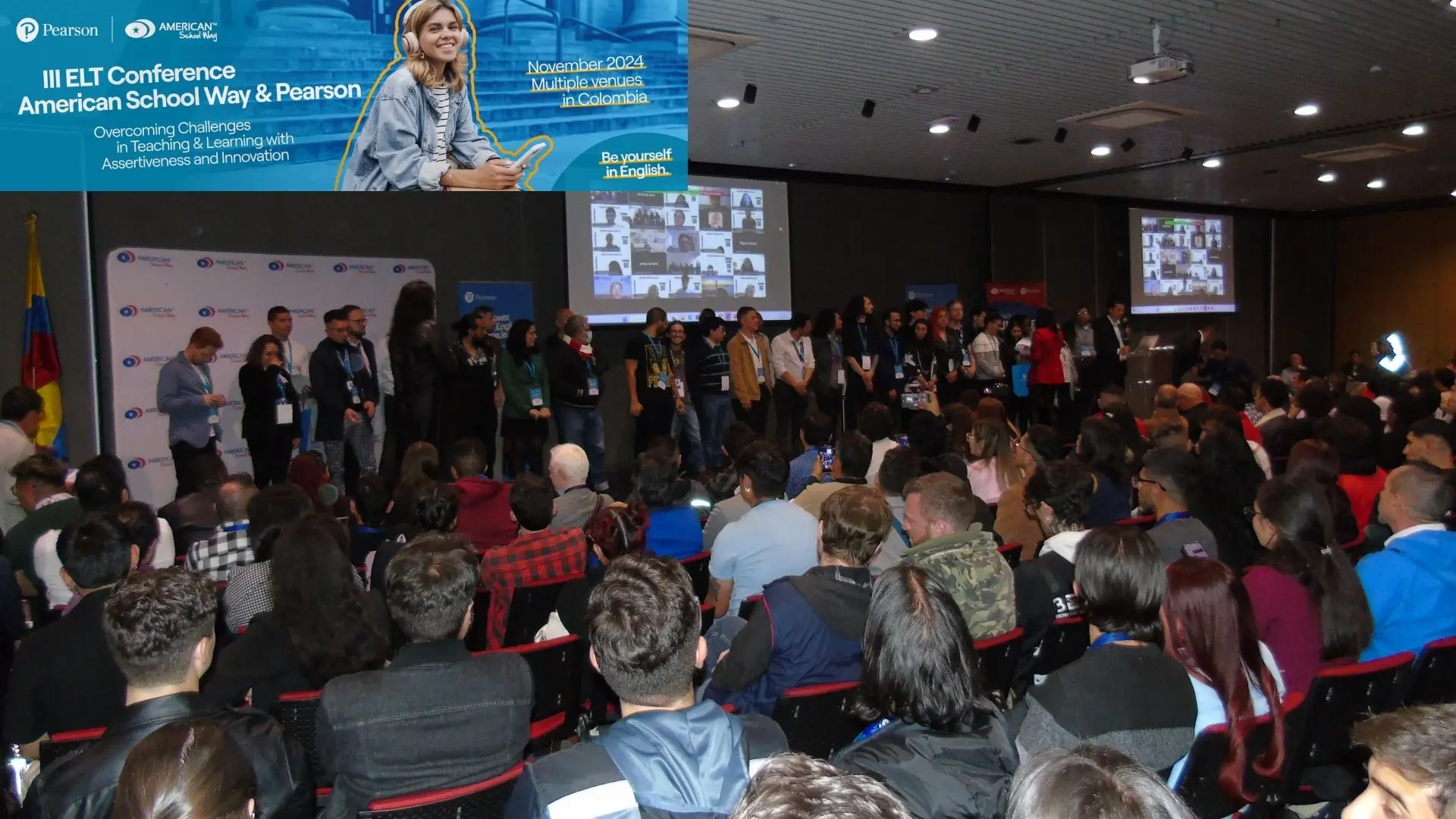
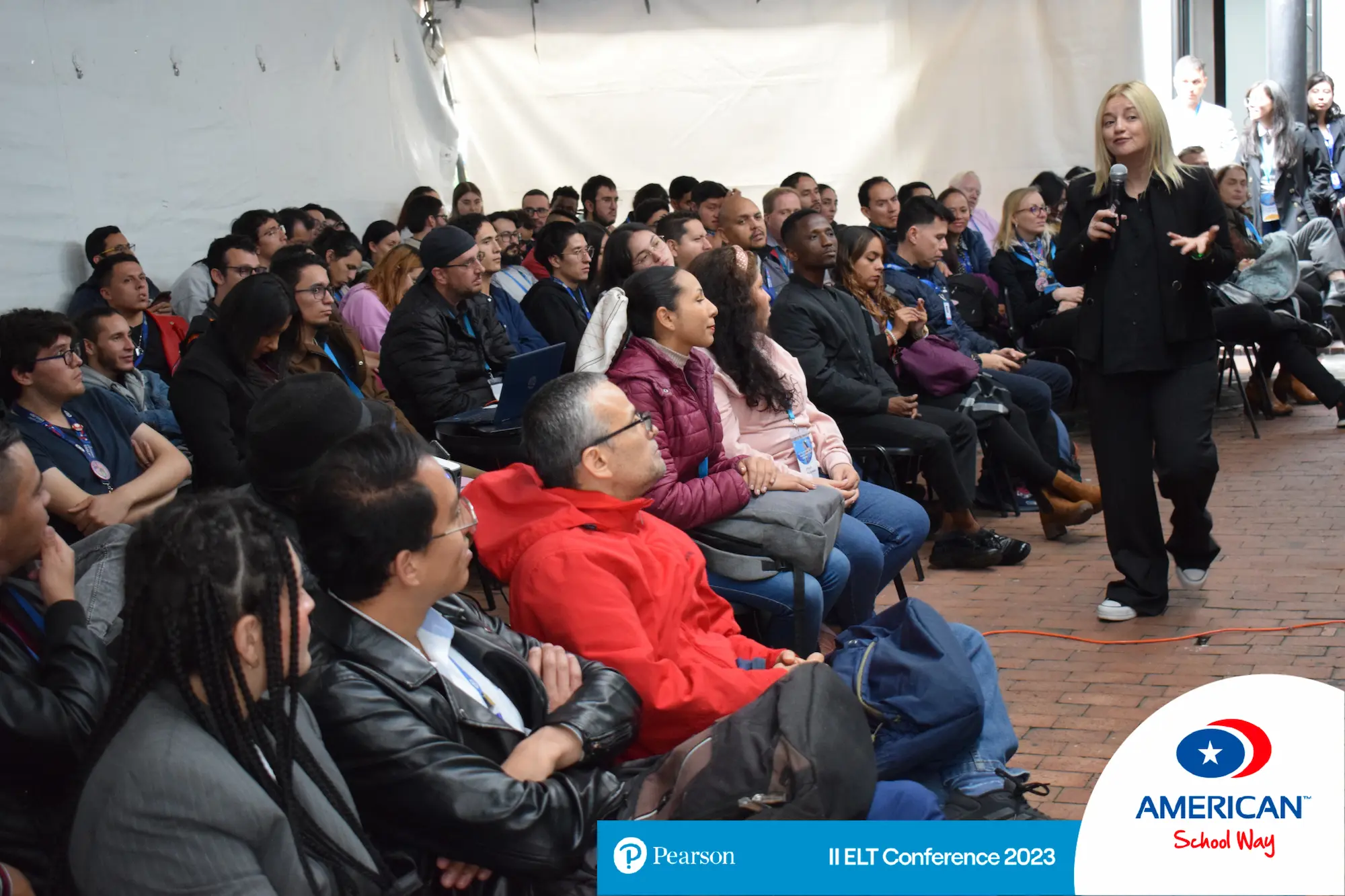
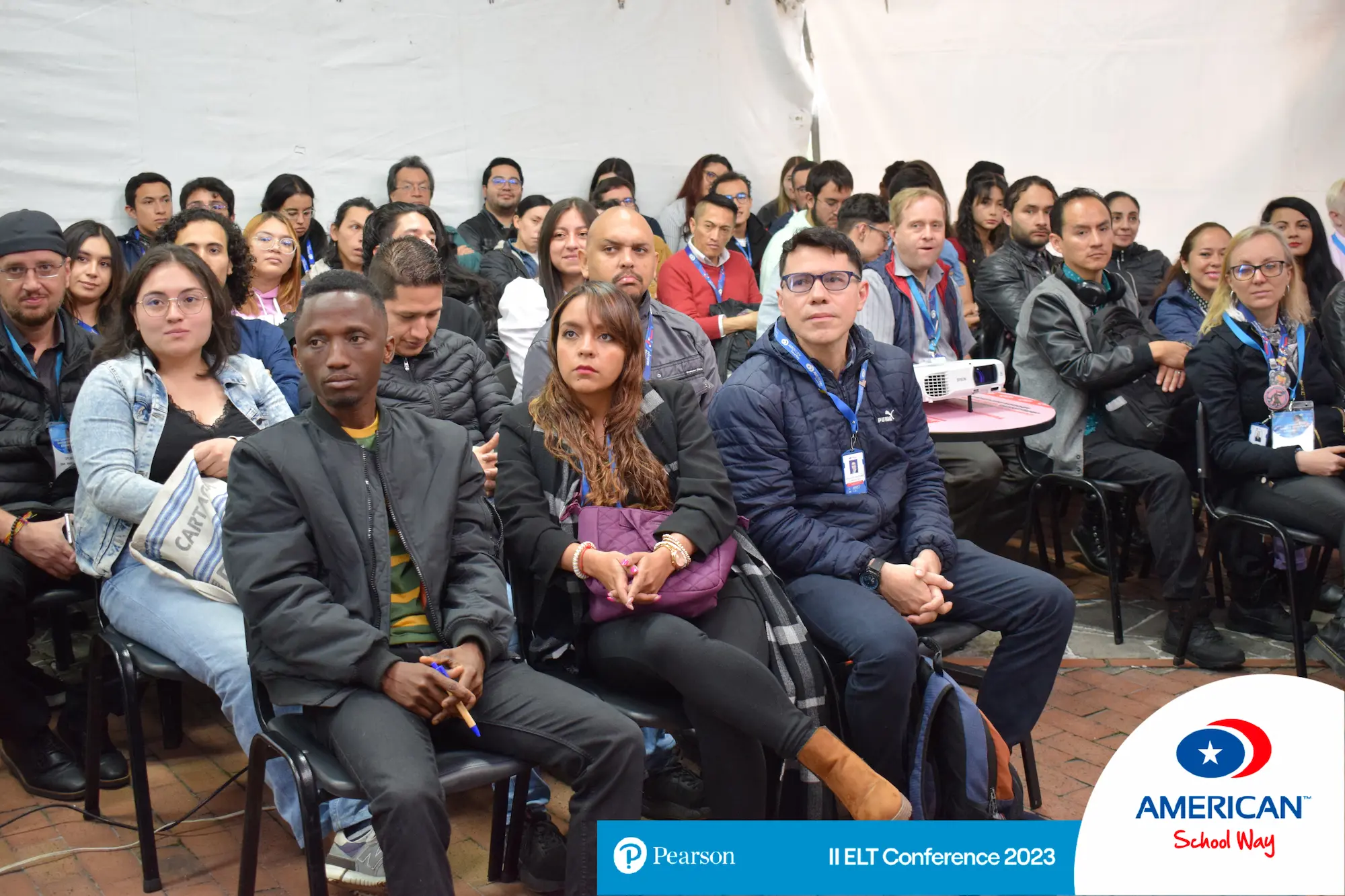
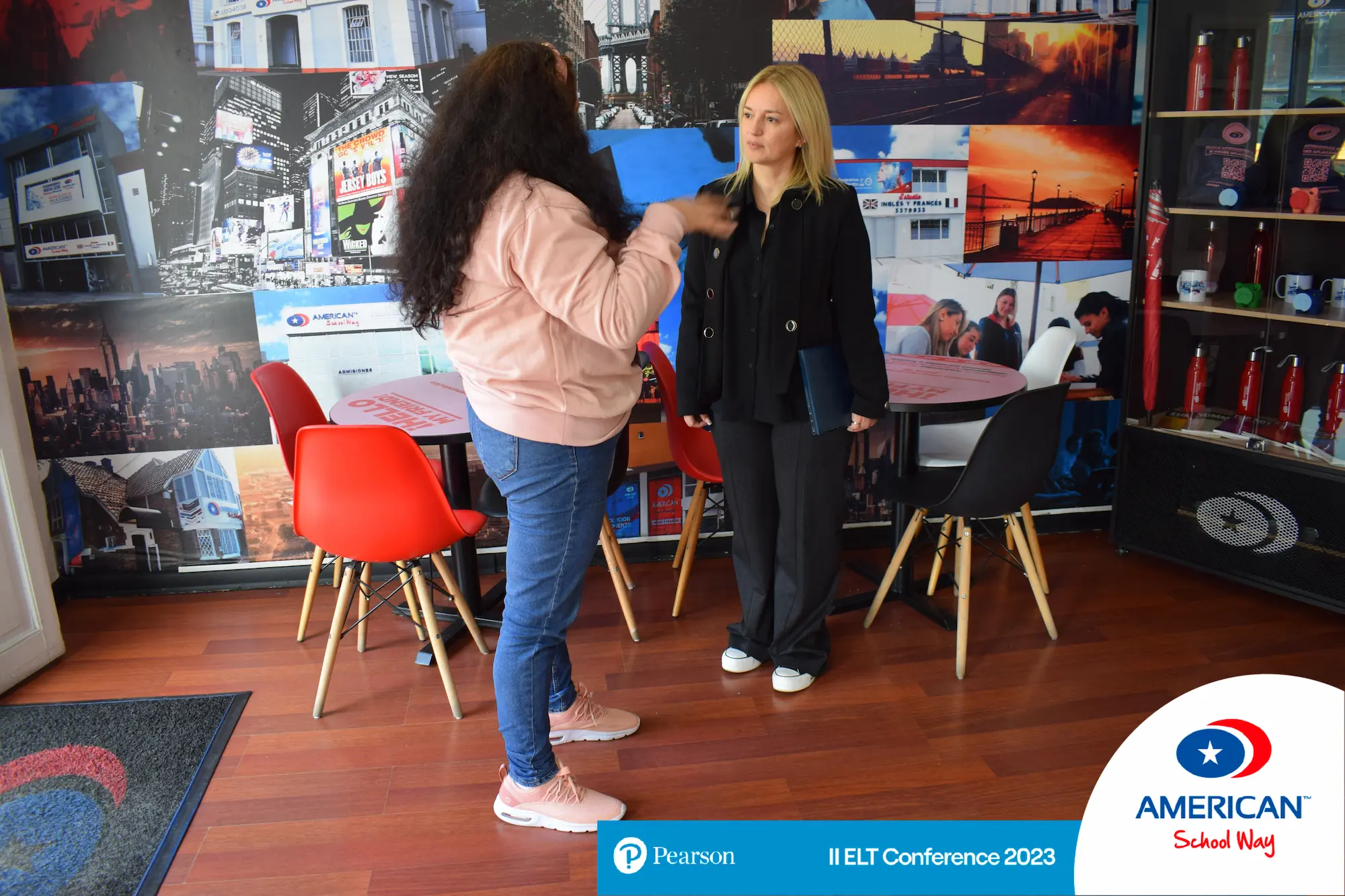
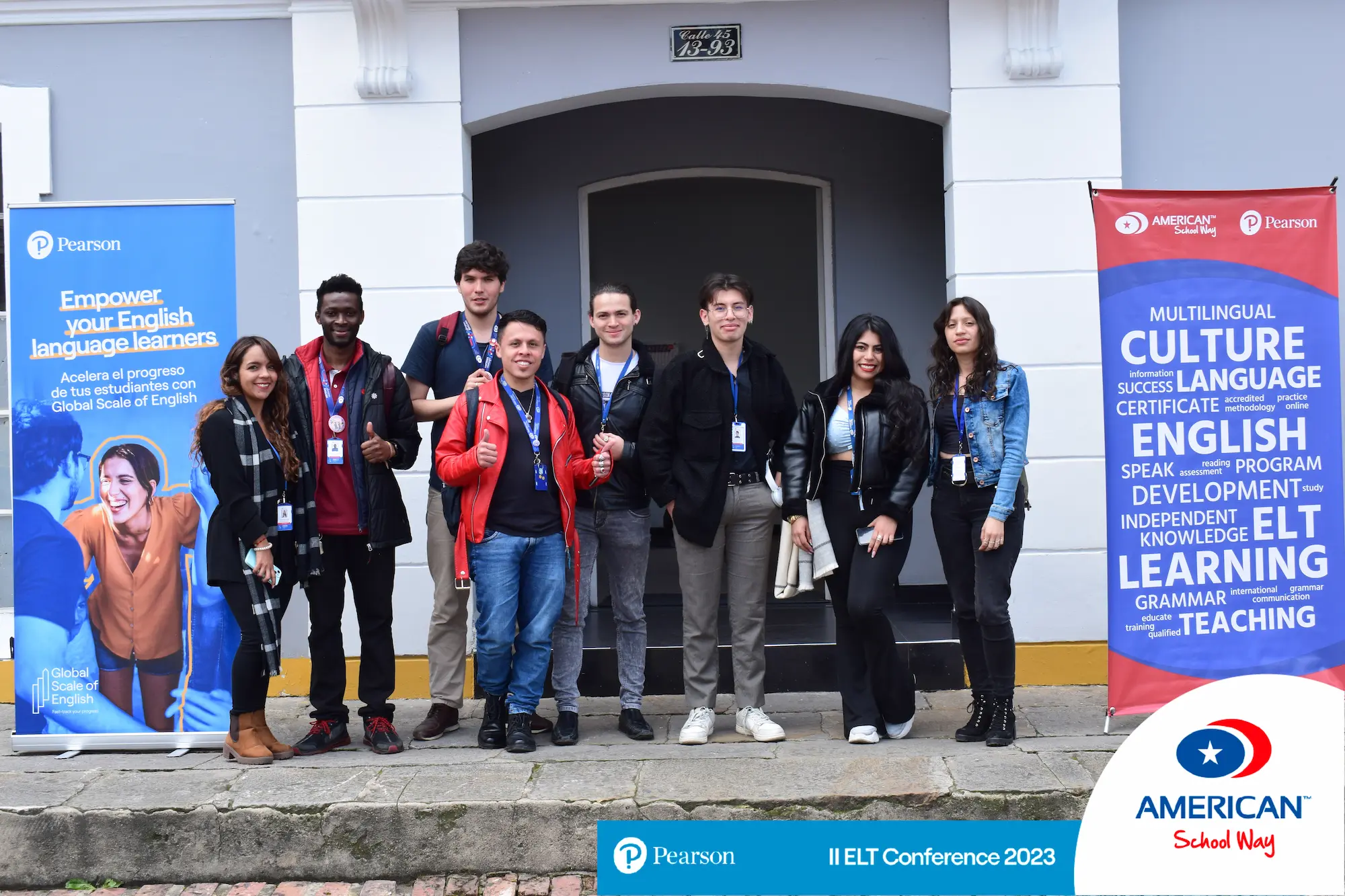
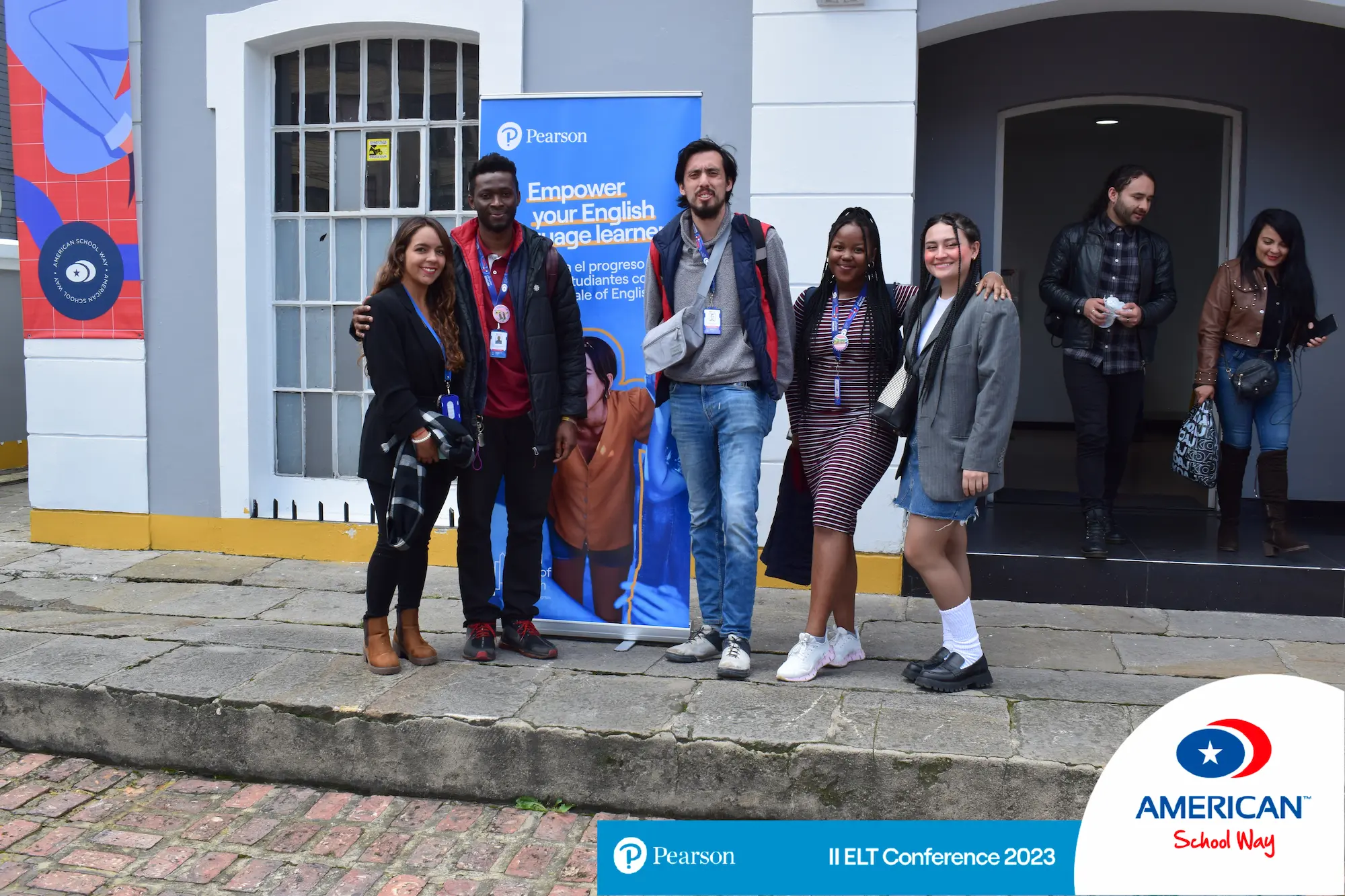
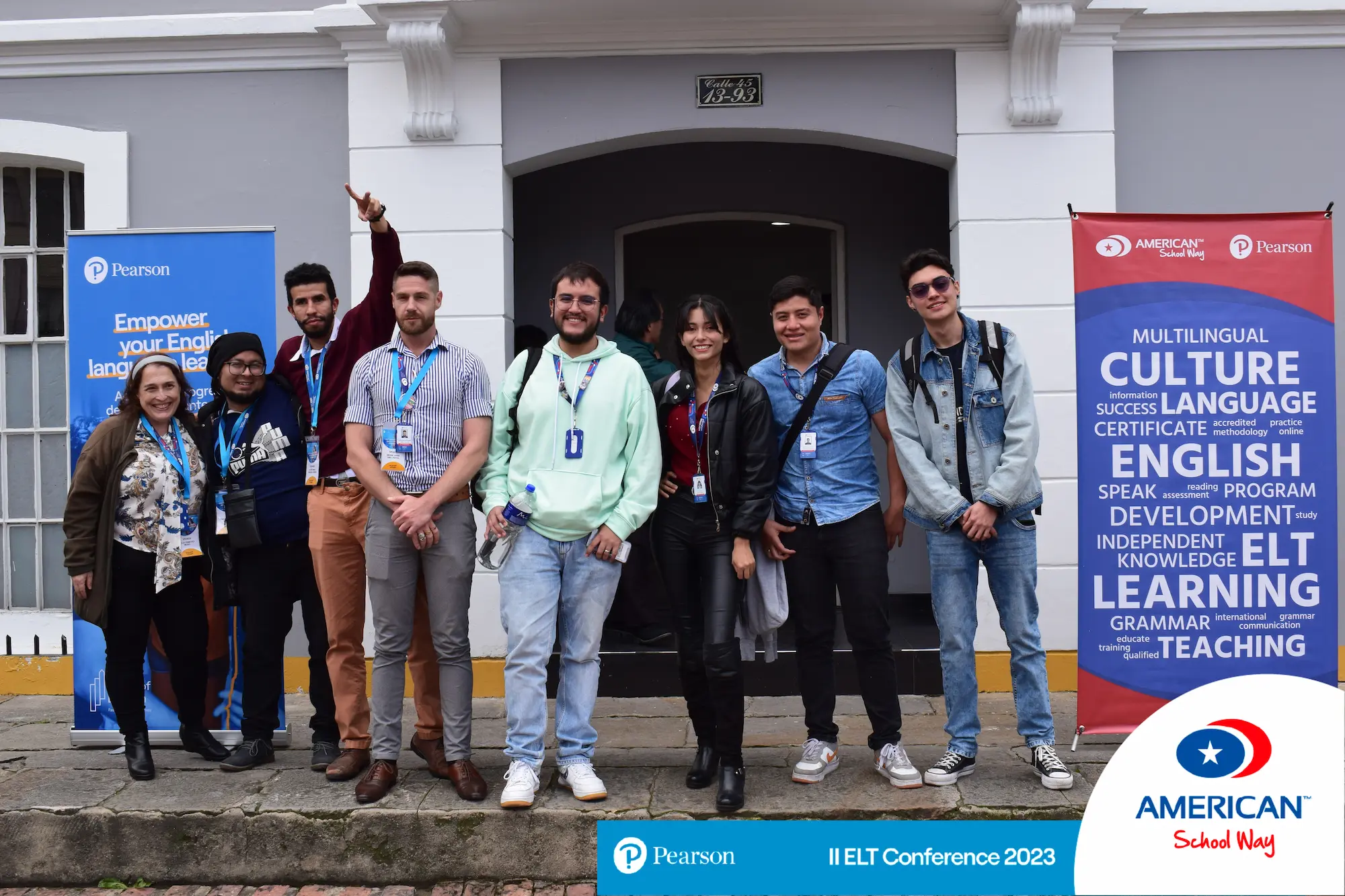
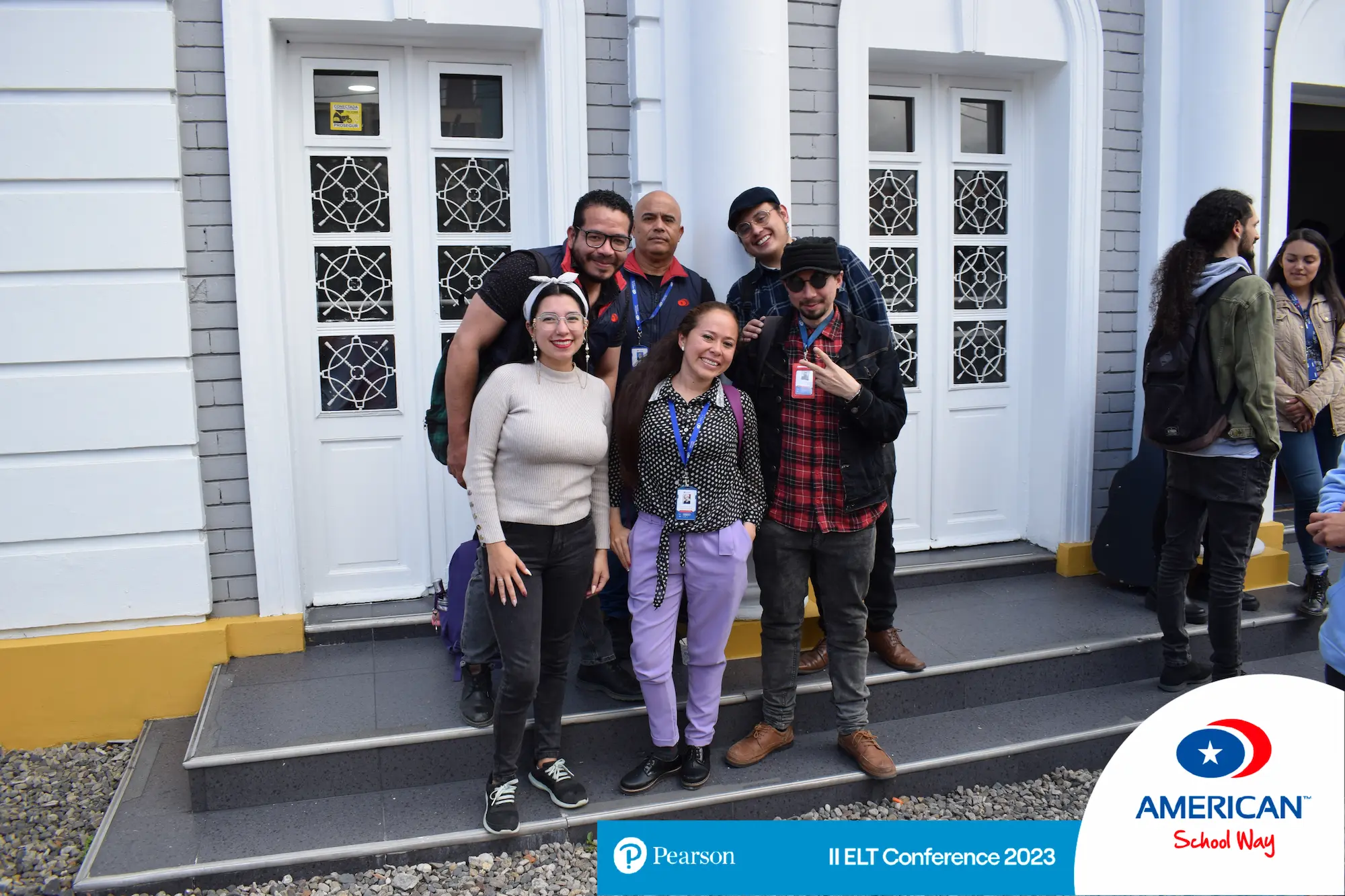
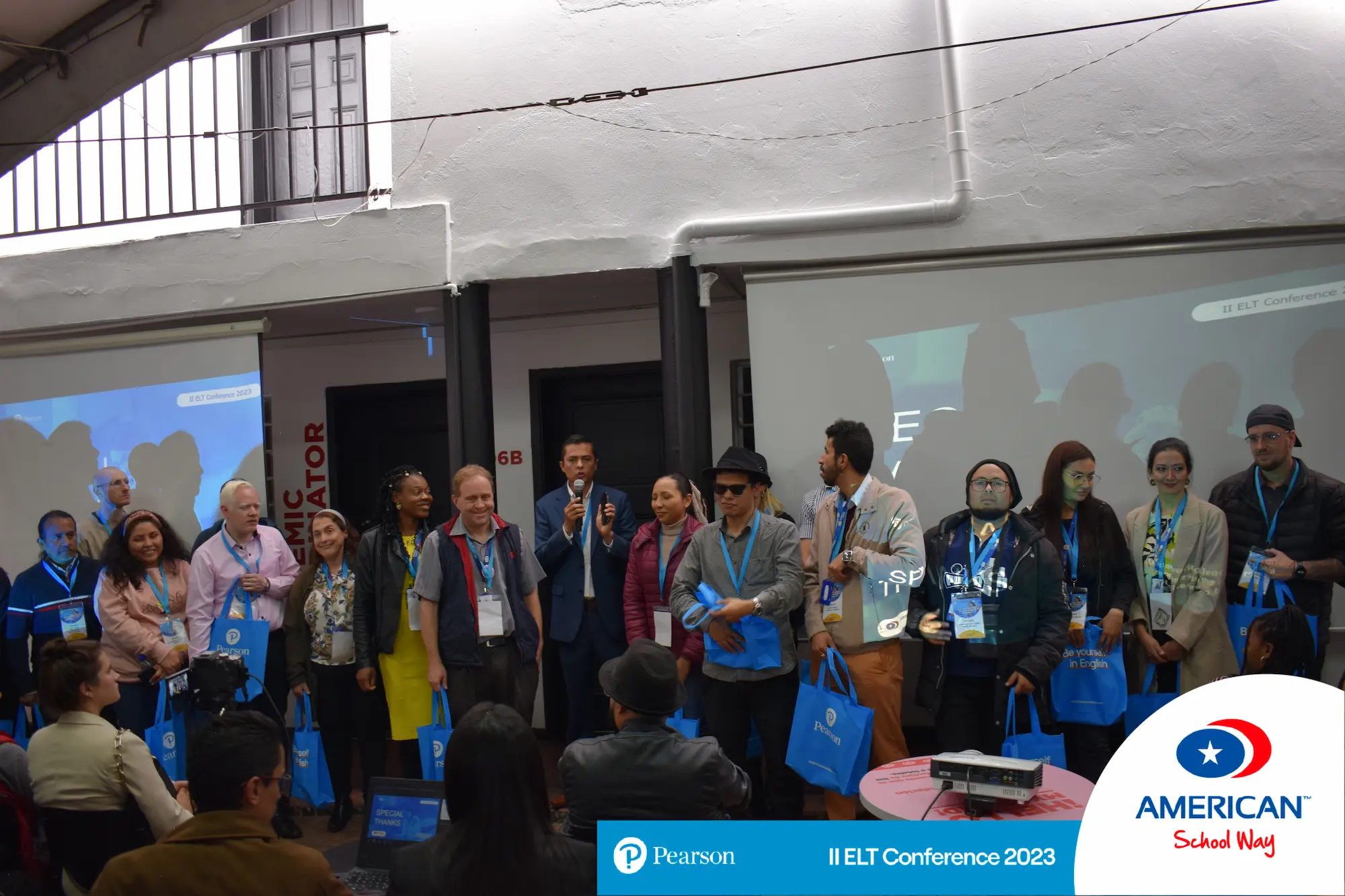
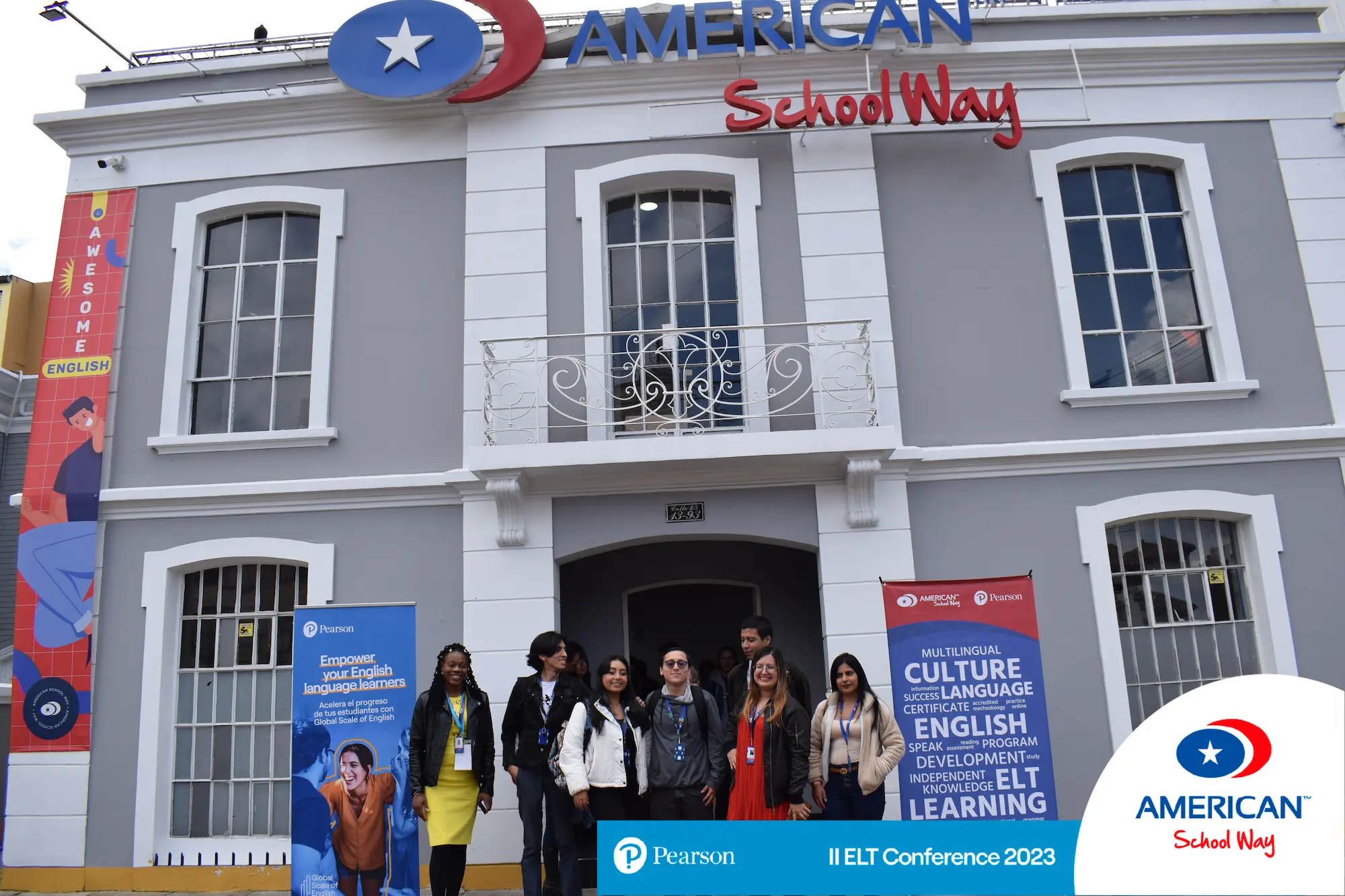
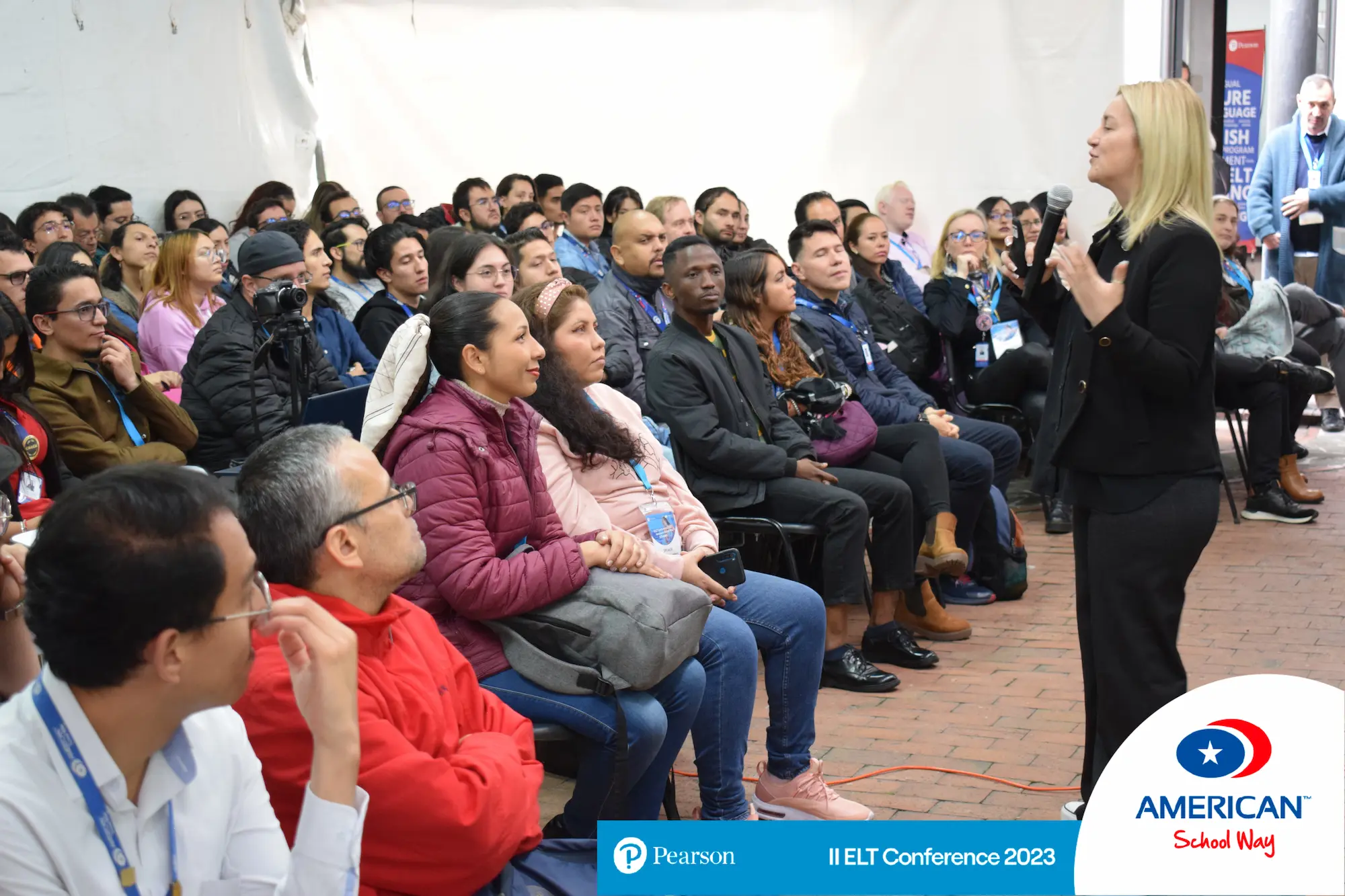
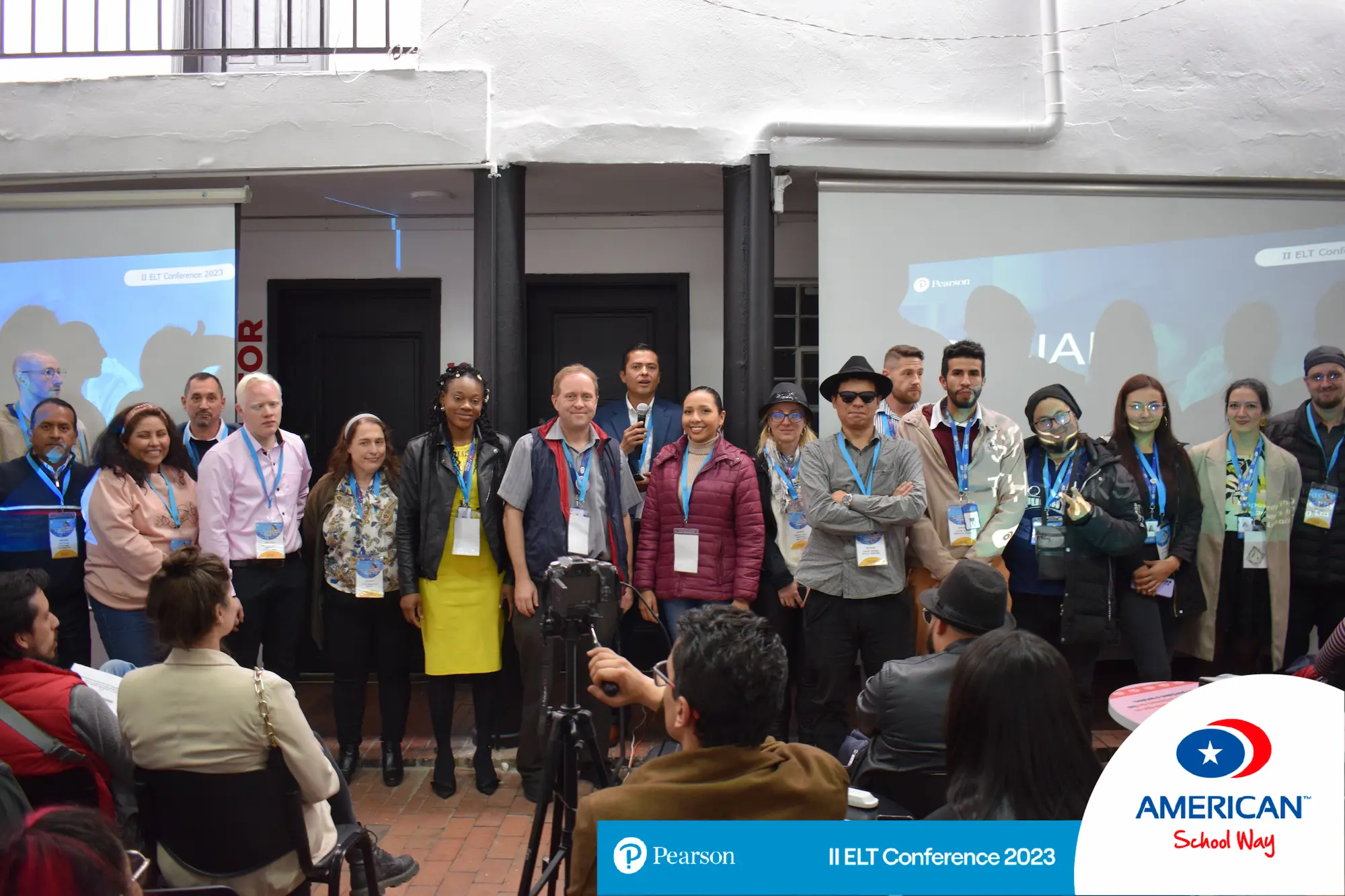
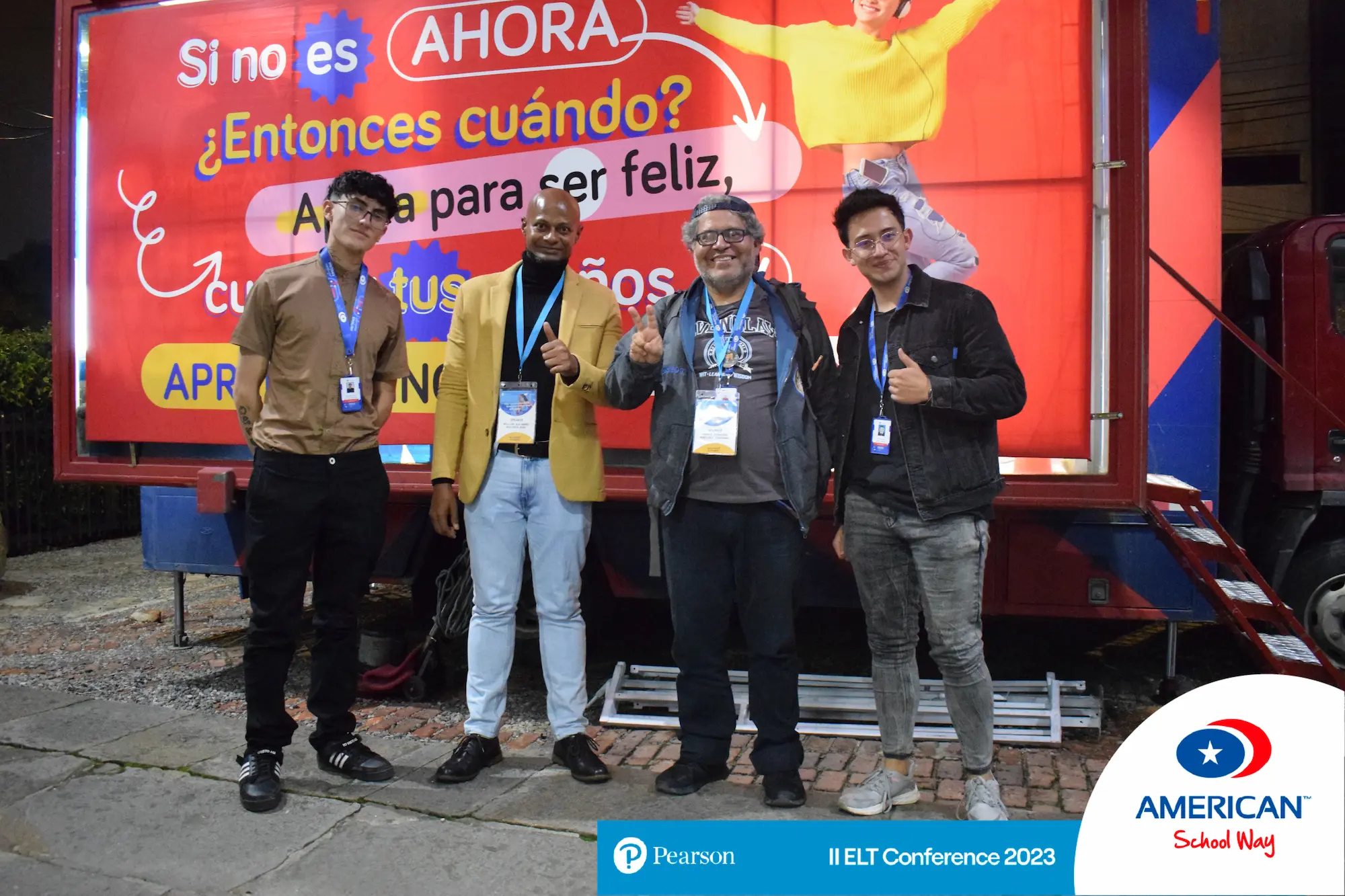
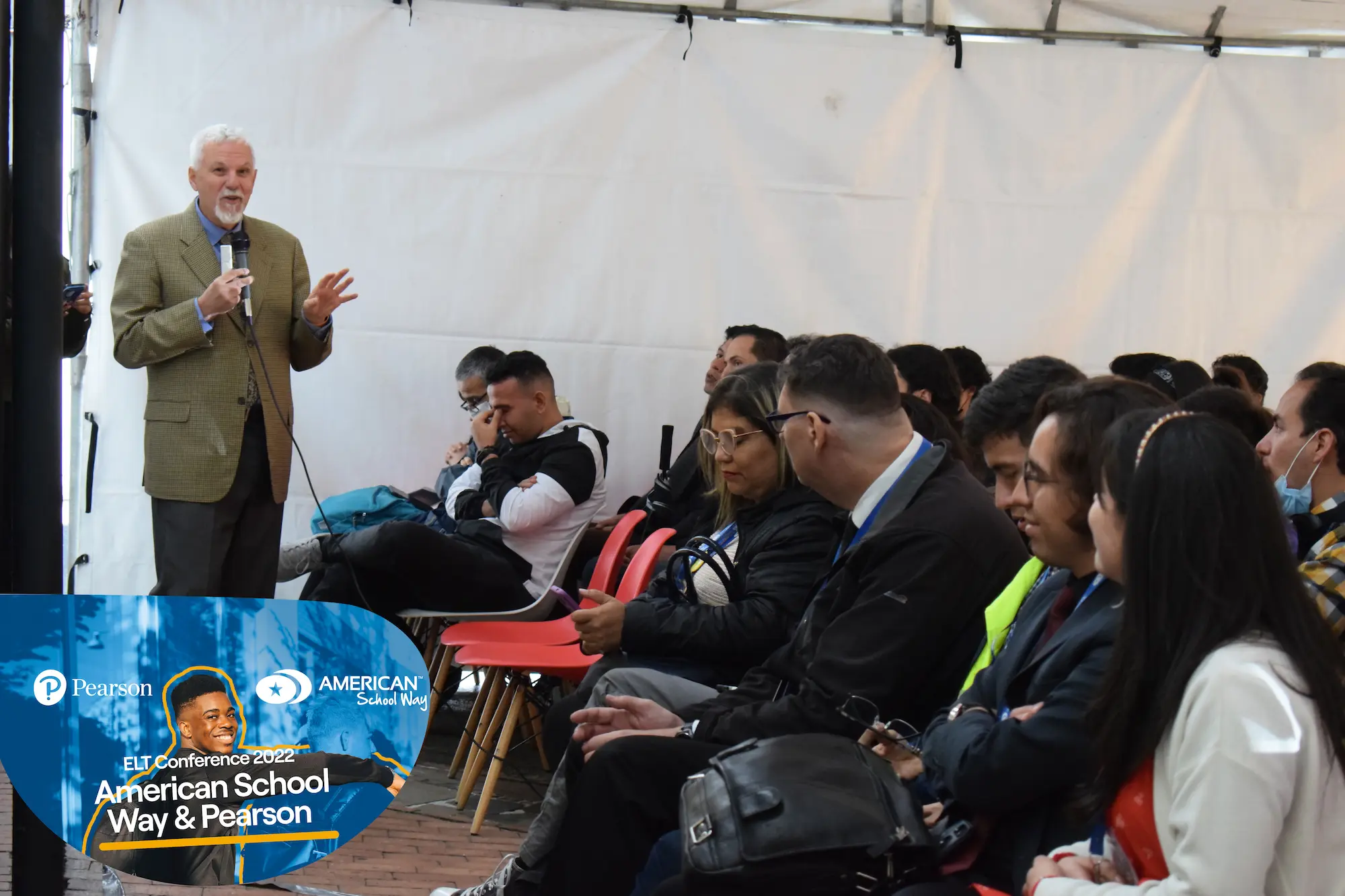
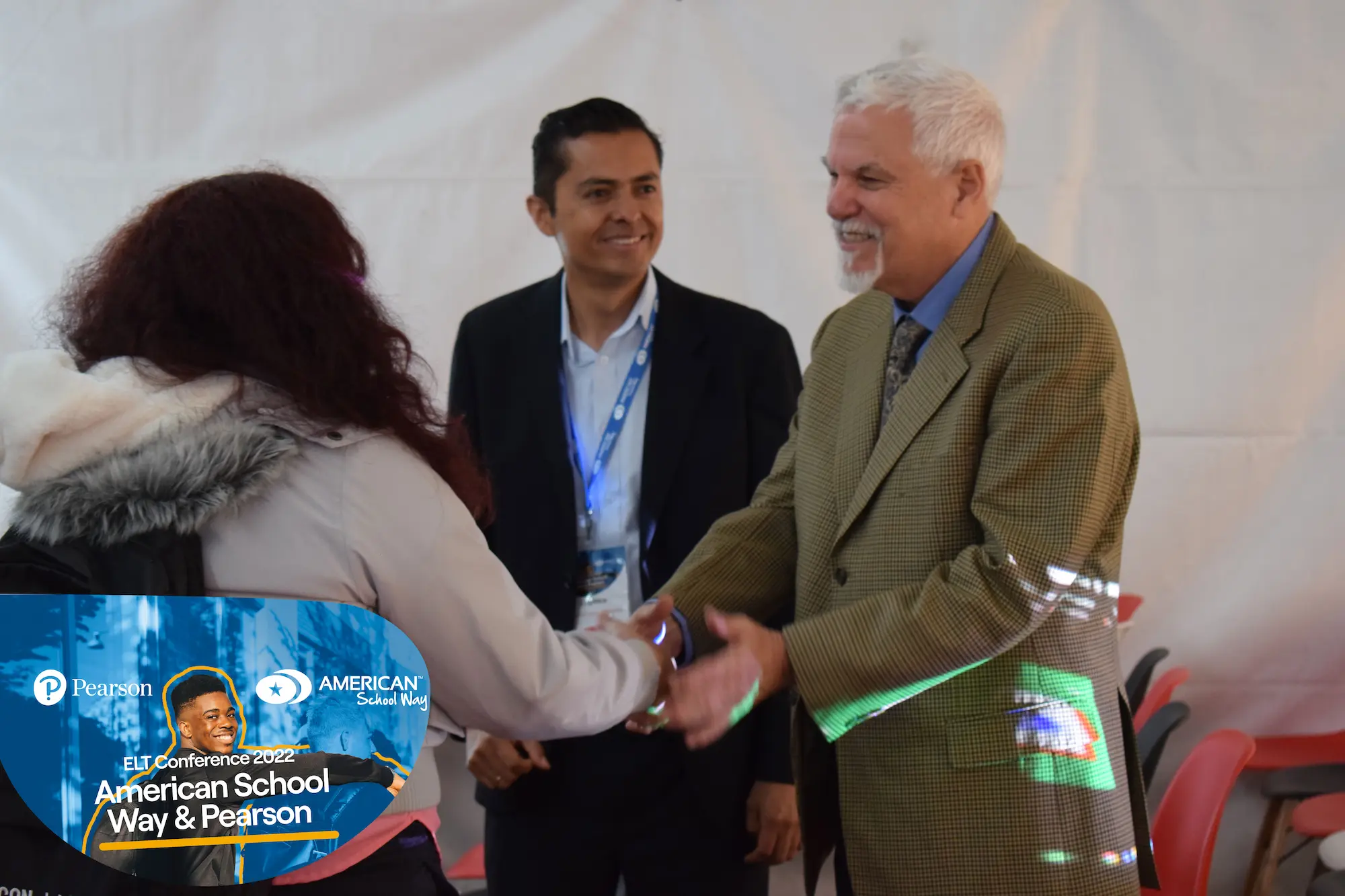
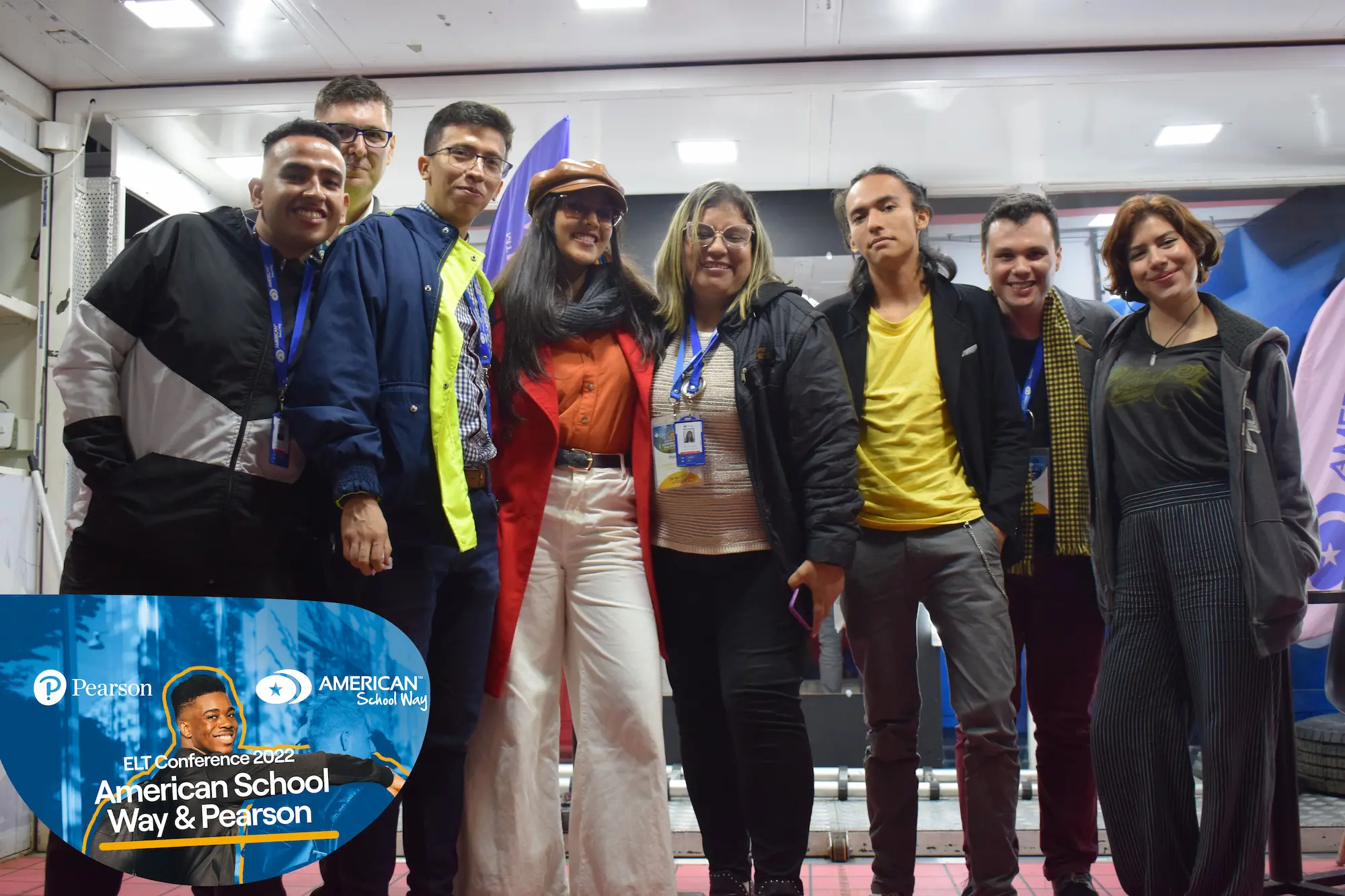
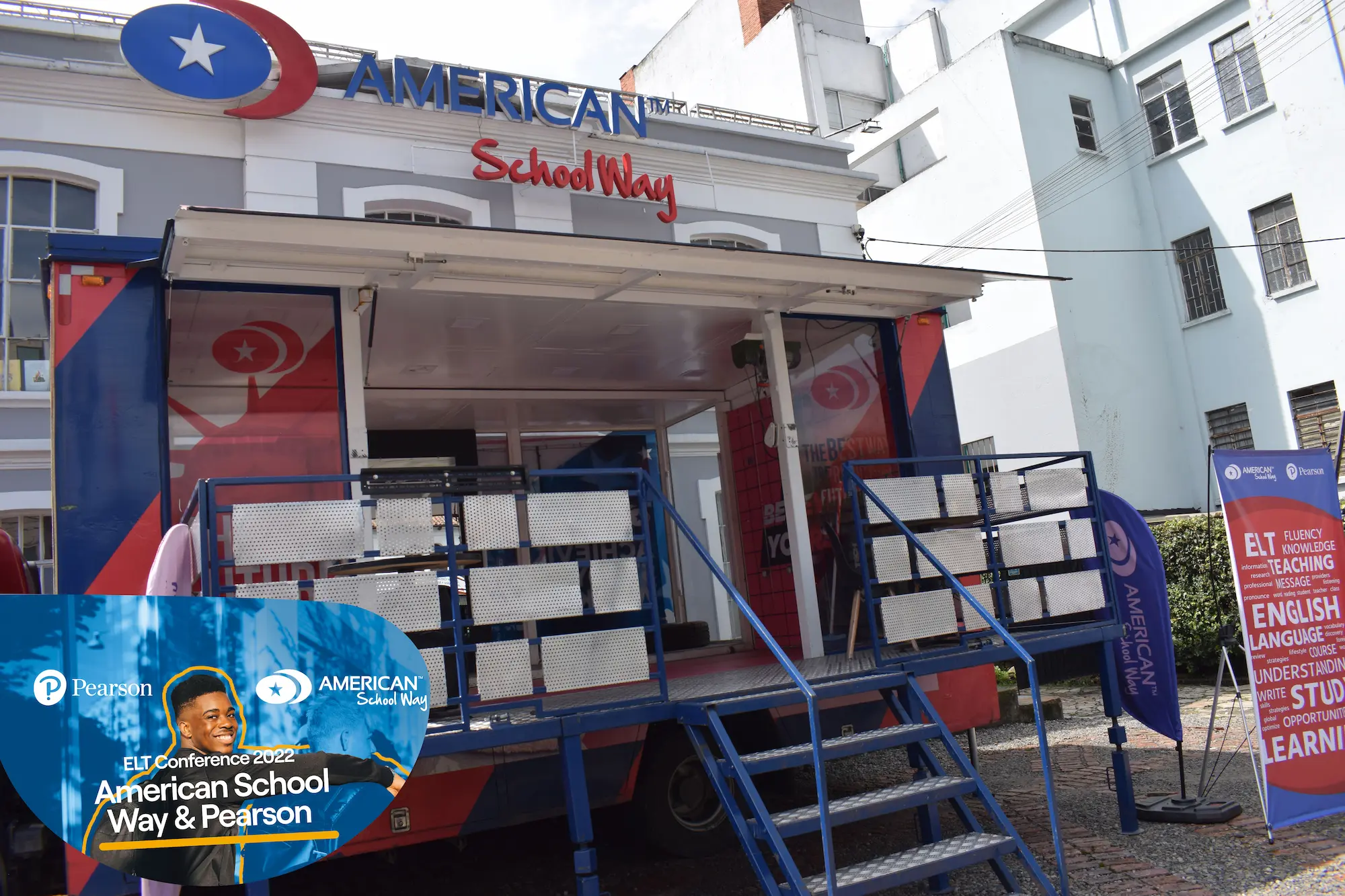
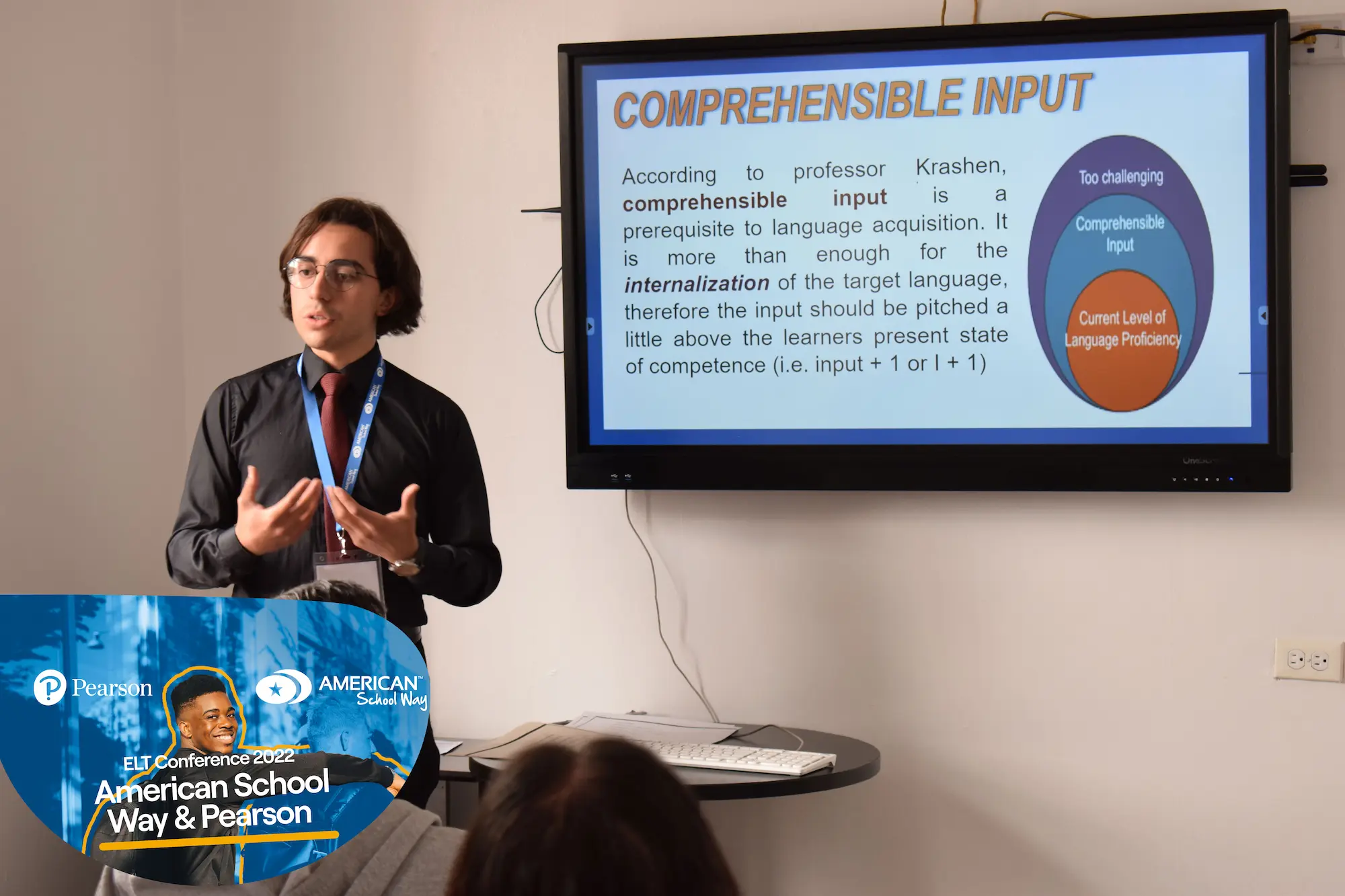
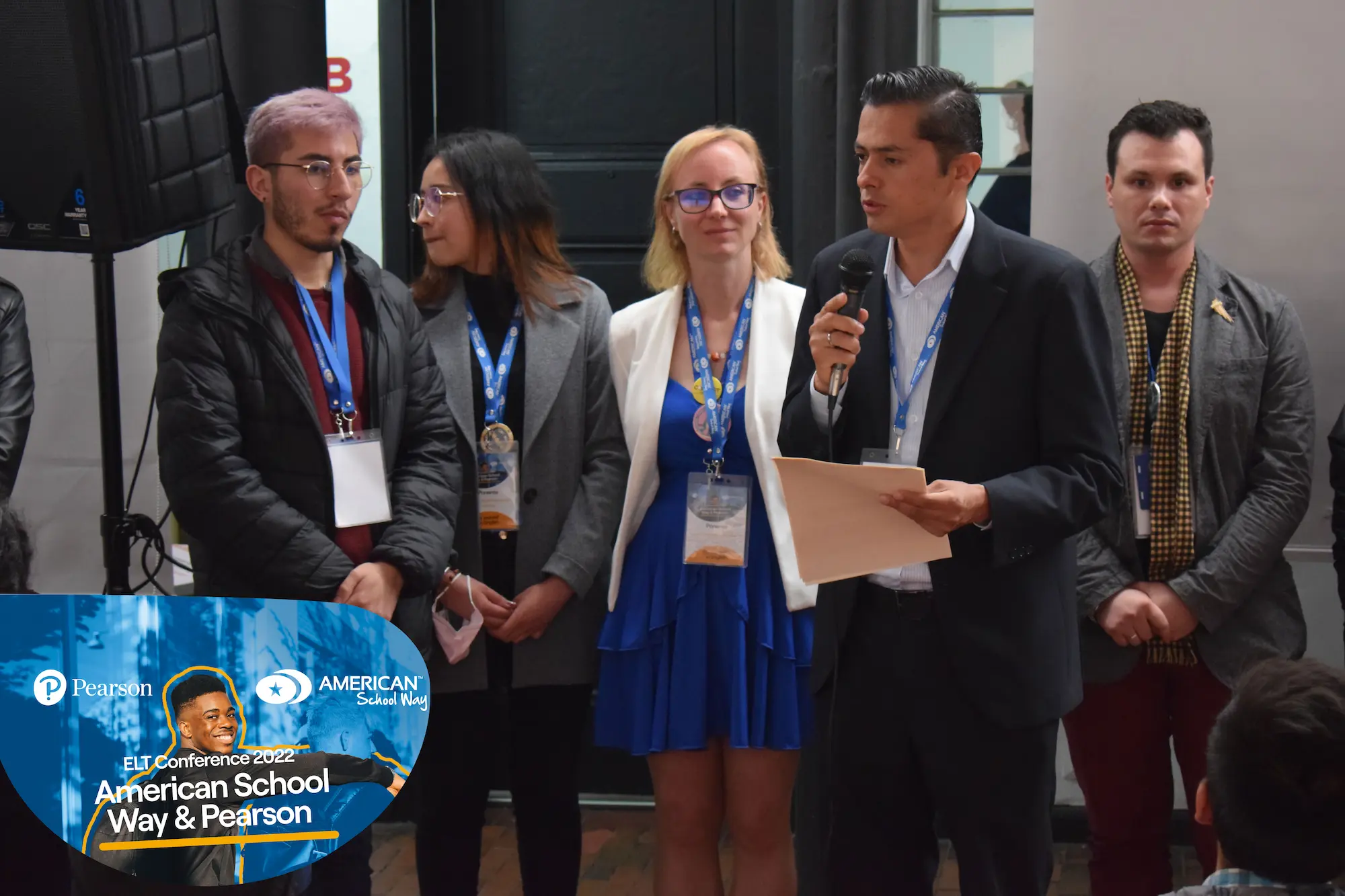
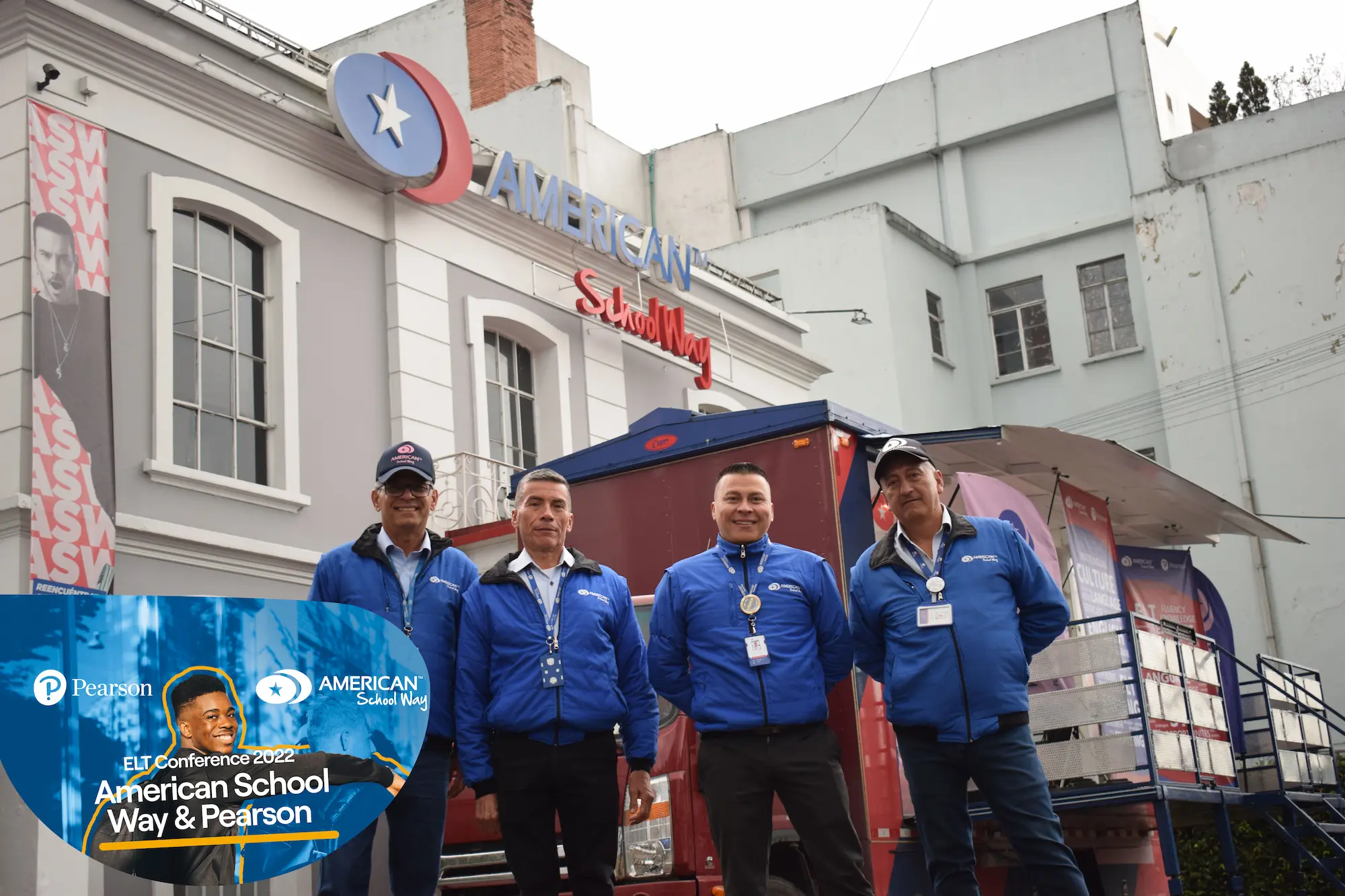
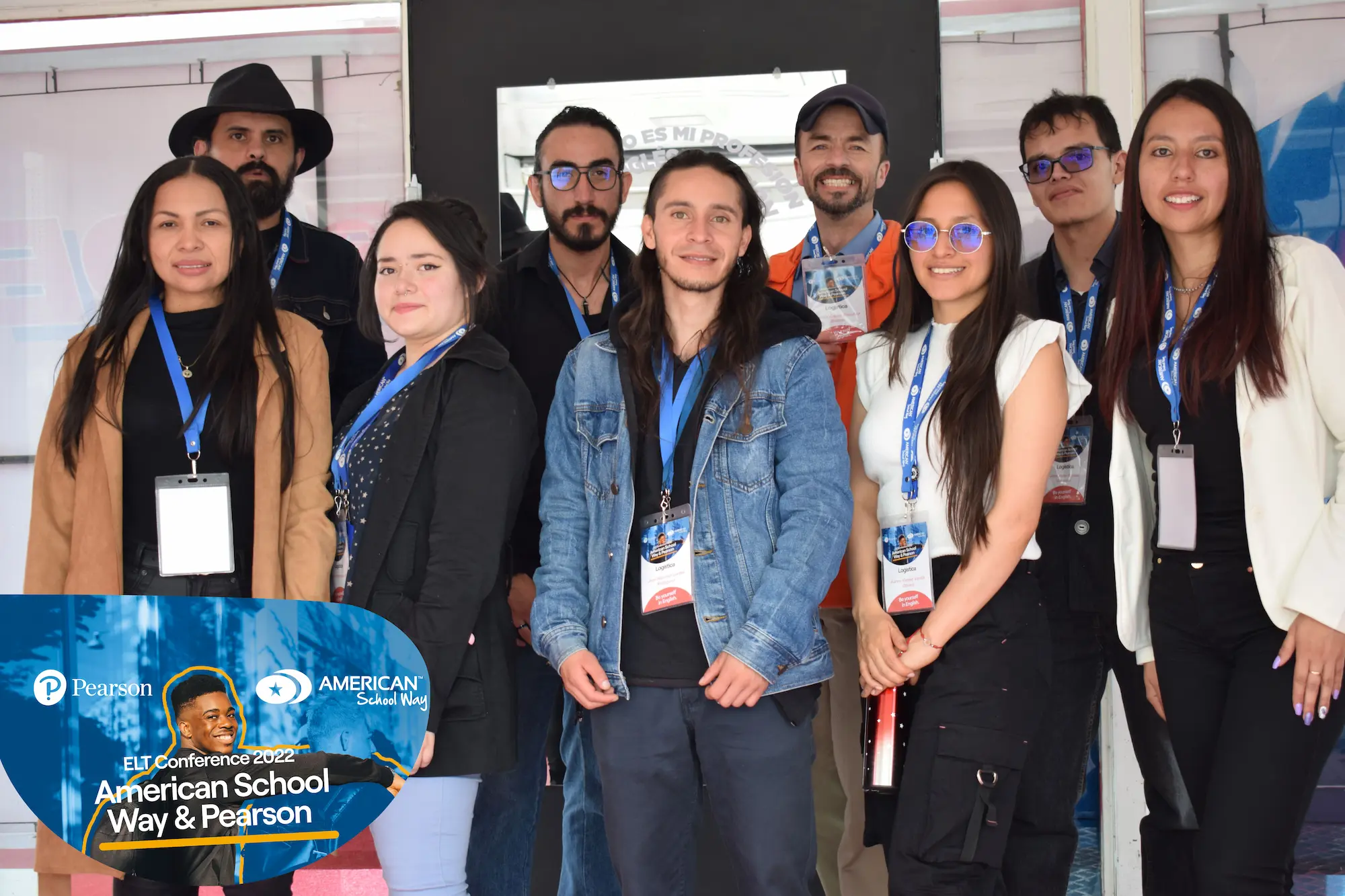
Third ELT Conference 2024
Missed the action or want to experience the best moments again? Dive into the most inspiring talks, unforgettable moments, and powerful insights from ELT Conference 2024. Watch the highlights and feel the energy that brought educators together from around the world!
Second ELT Conference 2023
Step into the transformative world of the 2nd ELT Conference!
In this conference, we gathered brilliant minds and passionate educators who shared groundbreaking ideas and innovative practices that are reshaping the landscape of English Language Teaching. This video captures the essence of that unforgettable event: moments of inspiration, discussions, and a community united by a shared mission. Join us as we relive the highlights and celebrate the power of collaboration and creativity in education.
Don’t miss this chance to experience the magic all over again!